From Clinical Trials to AI Music: How Bob Ehlers Is Redefining Life With Alzheimer’s
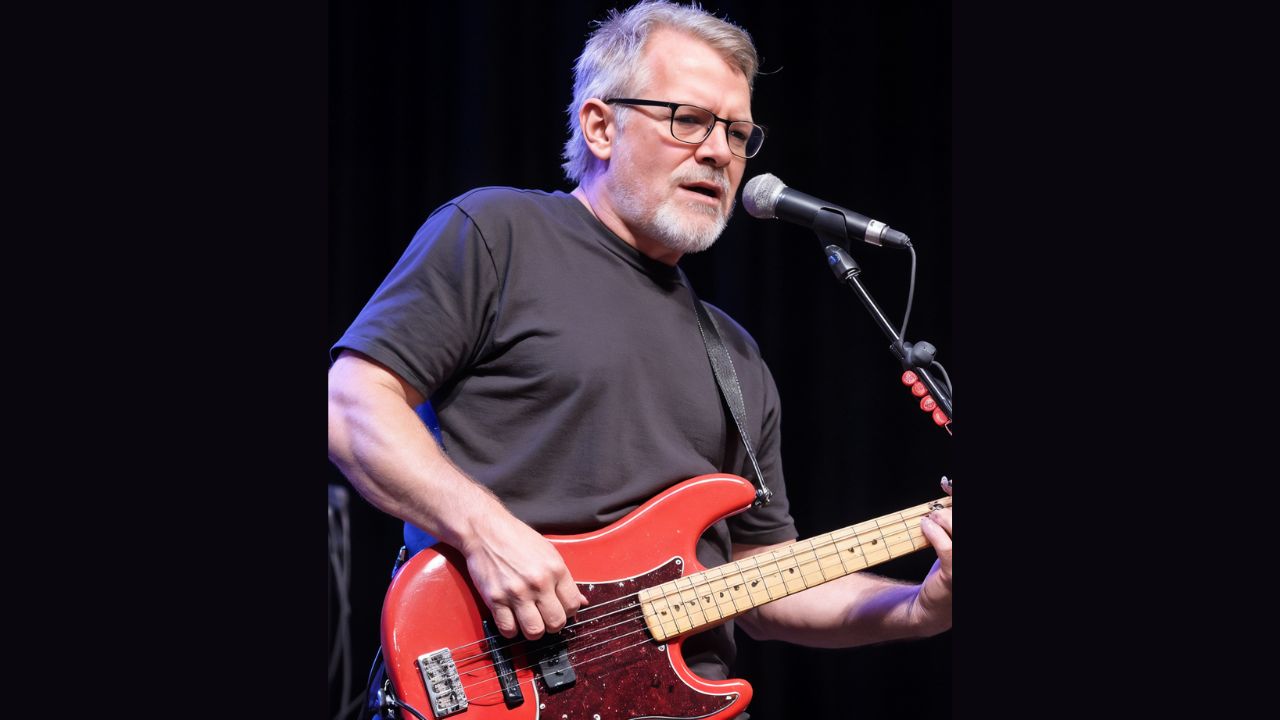
Bob Ehlers discusses how Alzheimer’s research participation, early diagnosis, and a sense of purpose have shaped his life after being diagnosed with younger-onset Alzheimer’s disease.
Journey to Diagnosis is a Being Patient series sponsored by Eisai. As with all of our reporting, the sponsor has no role in choosing guests, shaping questions, or reviewing content before publication.
Bob Ehlers was diagnosed with Alzheimer’s disease at 58 and has since become an advocate for early diagnosis, clinical trial participation, and using technology to support people living with neurocognitive conditions.
Ehlers was a vice president of product management in the semiconductor software industry when he first began noticing memory changes, including getting lost on a familiar bike ride home and forgetting a full week of work meetings. He was one of the early participants in the Clarity AD clinical trial of lecanemab.
Now living in Arizona, Ehlers continues to use his background in technology and business to support others, mentoring entrepreneurs and developing Conexo Casa, a nonprofit focused on making technology more accessible for people living with neurocognitive conditions.
In this conversation with Being Patient’s Mark Niu, Ehlers reflects on the emotional weight of diagnosis, his experience joining a clinical trial, and the importance of getting answers early. He also discusses how music, AI, and staying active have helped him maintain purpose after diagnosis.
Being Patient: Let’s go back to your diagnosis. When did you first start noticing changes in your memory, and what made you realize something more serious might be going on?
Bob Ehlers: At the time I lived in Oregon, in Portland, and I was working for a technology company. I used to ride a bike to and from work. One day I got lost going home, and I was actually pretty scared because I didn’t know where I was. I got to an intersection — basically my route home was to turn left at the light and go home — and I got to that light and I didn’t know where I was. That was the first thing.
And then the second thing was I had a week of meetings at work with my team. I had a team all around the world, and we were working on a problem. After that week was over, we had our weekly team meeting on the following Tuesday, and I completely forgot that we had the whole prior week. Everybody thought I was kidding, and I was not. So I suspected because my father apparently had Alzheimer’s. I never knew my father. And so I was concerned that I might have that. That’s what started me on trying to figure it out.
Being Patient: Did you go to see a doctor?
Ehlers: Well, because I was working, I was a little concerned about what the impact of having this in my record would be. And it didn’t seem like there were any treatments at the time that would really help that much. But I had been reading about lecanemab and donanemab. And so I thought, well, how can I confirm that I have this? I’ll go apply for a clinical trial.
Before I saw a neurologist, before I saw my PCP and had those discussions, I went and applied. And strangely enough, they allowed me to apply without somebody saying, “Do you have a diagnosis?” And after that, I got a diagnosis.
I went through the blood biomarkers and cognitive tests and MRI and PET scan with contrast. They called me one day and the intake person said, “Congratulations, you qualified for our study. And my deepest condolences, you should get your affairs in order.” I was like, wait, I’m not dead.
Being Patient: But did you ever get an official diagnosis?
Ehlers: Yeah, I did. I went to see my primary care and got the neurologist, and the neurologist confirmed what had happened. But I waited on that until I figured out what I was going to do.
Everybody’s getting encouraged to get a diagnosis, and I would say, yes, get a diagnosis, because it empowers you to solve the problem. There are drugs now; you can do something about it. When I thought there was nothing I could do — and now I know that you can. So knowledge is power, and you can take control of your life by knowing. But you also don’t want nefarious actors to find out. And nefarious — you can figure out who I mean — but it’s the people that want to take things away from you and take control away from you.
“Knowledge is power, and you can take control of your life by knowing.”
Being Patient: You sound like you moved on things very quickly. Did you have time to process your diagnosis, or were you pretty much quickly on to the trial?
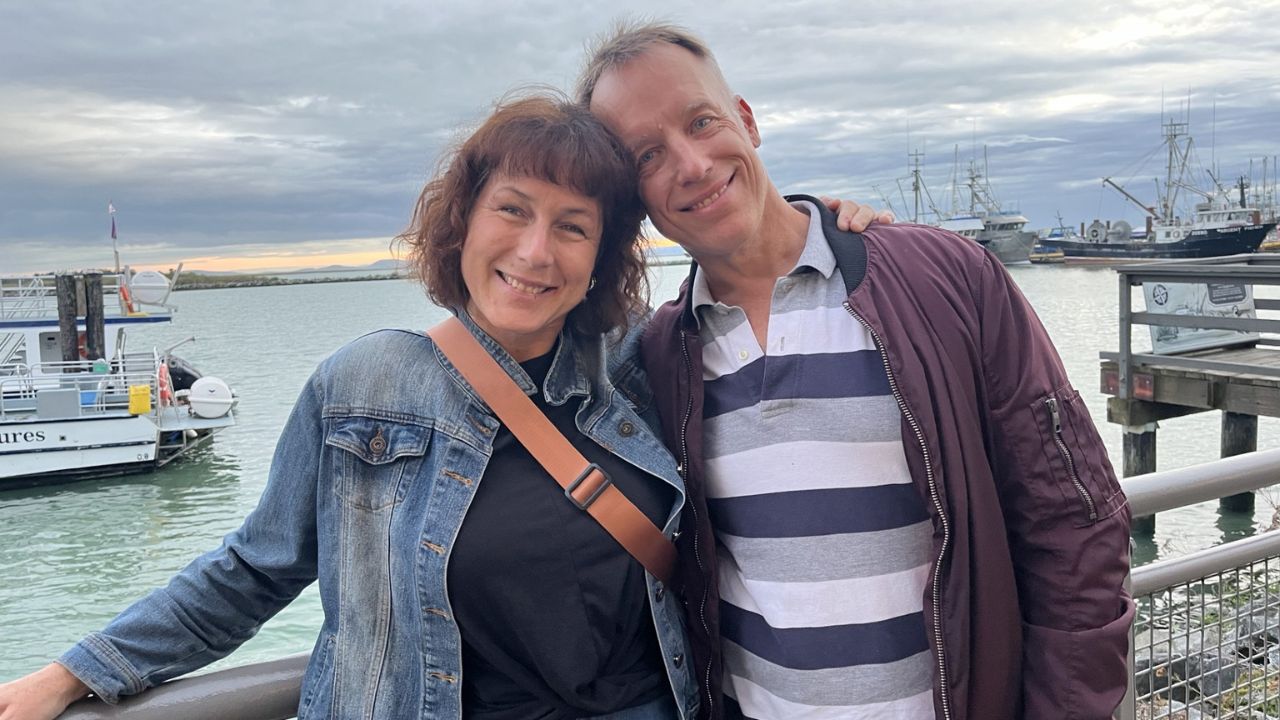
Ehlers: Well, initially my wife and I, we were crushed. It was as if I had died and was still there. Some days I feel like that. I died. I’m warning myself. But I knew that wasn’t going to help, and I knew that I only had a limited amount of time to figure things out. Now, that was five years ago, and here I am, and I’m doing pretty good.
I did figure out where we were going to live. So we moved. We looked at taxes and cost of living, and where the best doctors were, and where the best treatment was, and support network, and all of that. We looked at where my wife could get a job, and so we moved.
I was still working, and I did tell my employer, and my employer and I figured out an accommodation for me so I could still keep working. But I wasn’t critical to the safety or well-being of the business. I was an adjunct. And that worked really well.
Being Patient: Tell me about the trial. You were one of the early participants in the Clarity AD trial of lecanemab, which is so named because it was designed to provide clarity on the efficacy and safety of treating Alzheimer’s disease. Tell me about how that experience went.
Ehlers: When we moved down here, I got into Banner, Banner’s Alzheimer’s Institute, and those people are phenomenal.
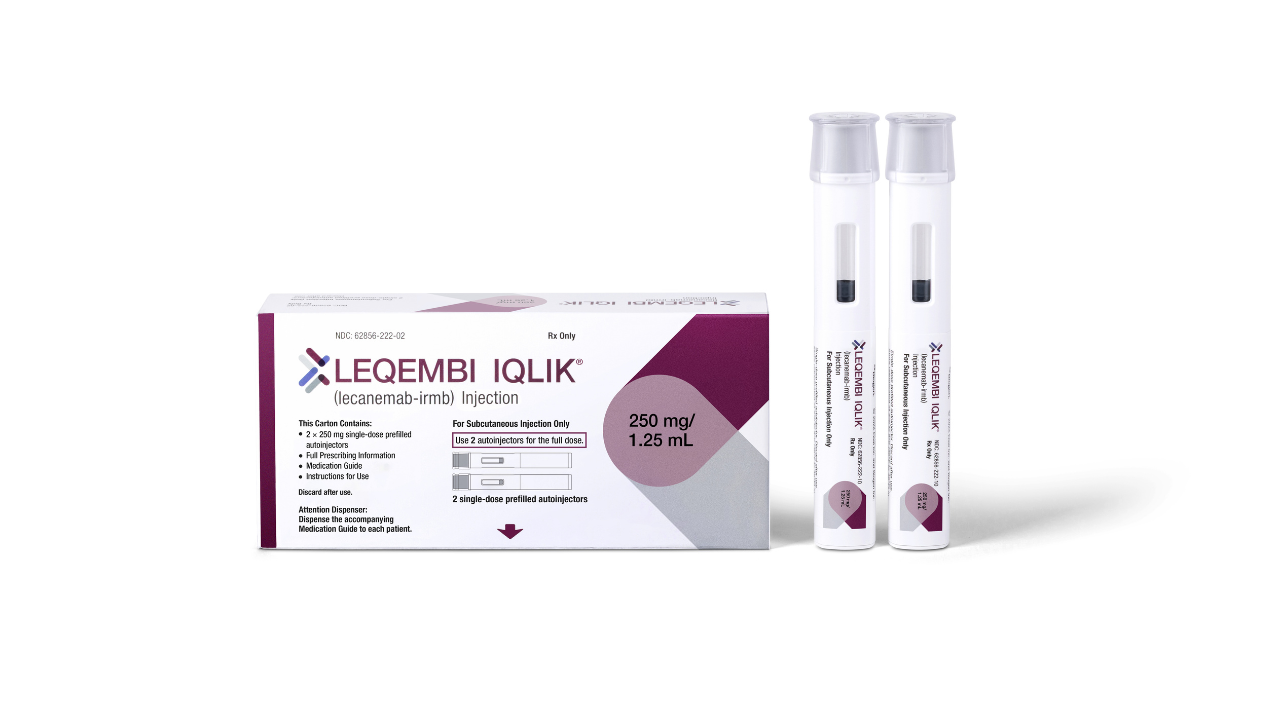
I found out after 18 months that I was in the control group and not getting the drug. Then they moved me to open-label extension, and I started getting the drug. I did that for about almost two years. Then they moved me to the secondary or extended open-label extension, which was for the subcutaneous injector, so I did not have to get infusions. I could go home and take the drugs home with me and travel, which my wife and I did. And that was phenomenal.
I went through a lot of poking and prodding. I’ve got to say, it’s not all fun. Getting blood draws, and you’re getting infusions, and you’re getting tests, MRIs, and PET scans, all sorts of things. And you have to report in all the time. So that’s a challenge, but it was well worth it because lecanemab, Leqembi, got approved by the FDA. The subcutaneous injections got approved by the FDA. And the beta amyloid test that they used to scan got approved by the FDA. So three big wins. I’m very happy with doing that.
Being Patient: And are you still using it?
Ehlers: No. As of December, the trial ended for me, and I went off it. I discovered that if you’re under 65 but you get Social Security disability — because I went off of work about two years ago and went on disability — there’s a gap between when you get Social Security and when you get Medicare. So I’m off of it right now. Do I notice? No. You don’t notice when you’re getting it. It’s not like you improve, but you don’t get worse. And that’s a big reason to get tested, because the earlier they detect it, the less effect it has on you. And it can be stopped at a point when you’re still functional.
Being Patient: Let’s talk about another one of your passions: technology. You started a nonprofit that works to simplify technology for the elderly. Tell us what you’re doing and the issues you’re seeing with technology and those with cognitive decline
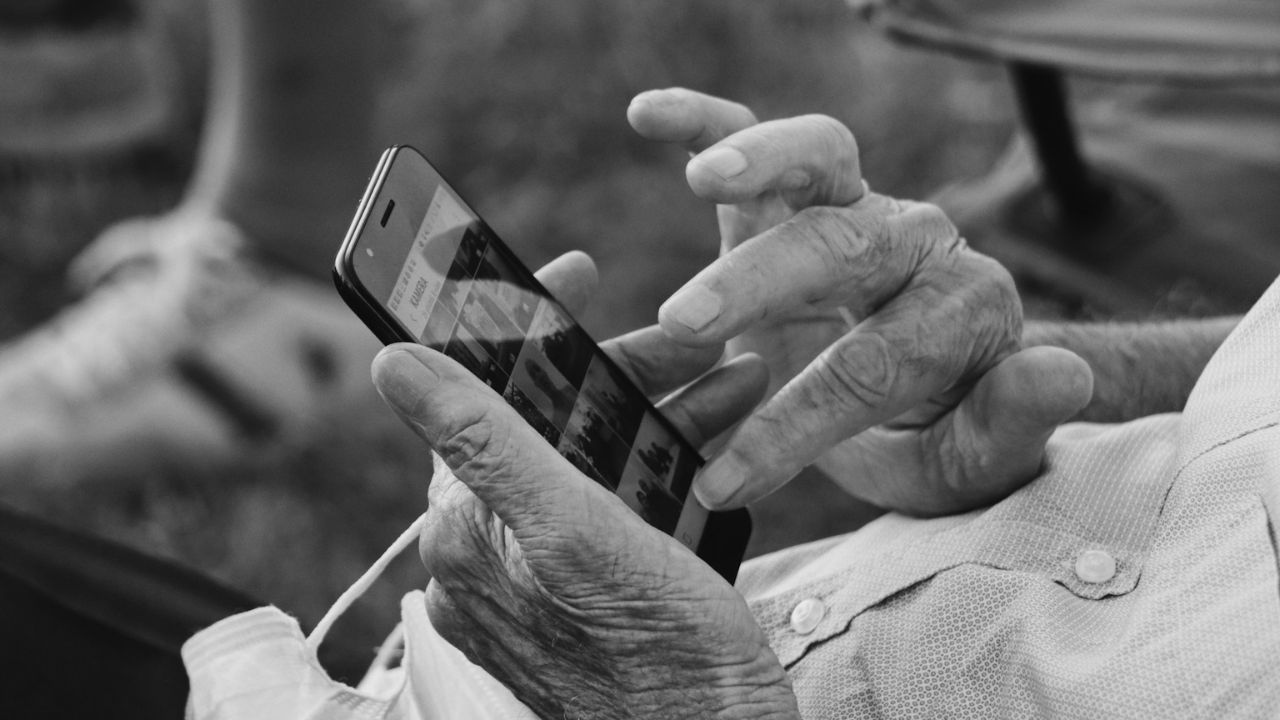
Ehlers: We all know about the simplified phones that are out there for people with dementia and elderly people who have a hard time with technology. Technology is still difficult today for many people. I’ll call it the “appification of everything.” Basically, you have to know what app you want to use, and you have to know how to use it, and you have to know what the buttons do, and you have to know when to click what. It makes people disenfranchised from being able to use technology.
Things like Zoom that we’re on here today — trying to figure out: Is my camera on? Is my microphone on? How can I share something? How do I call somebody? How do I get in the call? They’ve made it better, but it’s still hard.
I started Conexo Casa — the connected home — where I wanted to build a portal for people that have a hard time with technology, mostly people with dementia, so they could use the internet, and they could use video chat, and they could use rideshare and things like that.
What it does is it allows buddies — I call them buddies, but they’re family and friends — as support in their first-tier support for somebody. So they can do remote control of the person’s machines. They can set up all their accounts and make it all single big button, with audio so it can play the audio as you go over the button. If you place the mouse over it, you can have it say what the button does. And everything is single click. There’s no way to mess it up. It always returns to the same home screen of big buttons.
Being Patient: And where are you with that right now?
Ehlers: I’ve got a prototype mostly working. It’s been me doing it, and I’m looking for sponsors. I’m looking for people that want to take it from me so that it can go faster. I want technologists on board.
Being Patient: Another one of your passions is music, and that combines technology, too. You have your own YouTube page where you create your own music videos and also use artificial intelligence to create them. Tell me about this passion and why you decided to do this.
Ehlers: I’ve played music — not well — for a long time. I tried the drums; I failed. And then I tried the bass. I was trying to find things that were simple enough. Drums were not simple. Especially for somebody that has motor coordination issues. But the bass is a little easier.
I write lyrics as poetry songs. Then I go in and try out the lyrics with different music. I’ll describe it to the AI — what key I want it in, and what instruments I want, and how I want it to sound. And it gives me some samples, and then I try them. When I find one that I kind of like, then I download all the parts, or what they call stems, and I remix them the way I want. Sometimes I put my voice on. I’m not that great a singer, so sometimes I let AI voice it. And then I’ve tried to do videos. My videos are not that good, but the audio is pretty good, and I got a pretty big collection.
The value of that is it makes me think. All of these things that I do are not sitting around. I don’t sit around, because when you are idle, your brain becomes idle, and then your brain dies. So don’t let that happen. Just keep going.
I also do SCORE volunteering. SCORE is mentoring for small businesses, and I do that over Zoom. I record it all. There’s lots of transcribers. I can’t remember from one session to the next what was said. I don’t remember what I said, let alone what they said. So the transcription allows me to automate the process, and I can read what they said and continue on a stream.
There’s some people I meet with weekly, and I’m trying to help them with just little problems, whatever they have in their business. And other ones, it’s how do I get funding, or how do I file with the state or the IRS or whatever to get my LLC or corporation or nonprofit started. Lots of different ways of trying to help.
“I don’t sit around, because when you are idle, your brain becomes idle, and then your brain dies. So don’t let that happen. Just keep going.”
Being Patient: And you’re mentoring not just people with neurocognitive disorder, just anyone. Is that right?
Ehlers: Yeah, anybody that comes along. I always tell them about my Alzheimer’s. I tell them that I’ll forget what we’re talking about, and so far no problems. People are accepting of it, and I help, and people give me fairly good reviews. It’s all good.
Being Patient: And I think you’re being humble about your music prowess. I’ve watched some of your videos, but especially the writing is very insightful and it’s very cerebral, shall I say. Read some lyrics from some of your songs. In “The Invisible Man,” there was a part that said, “I see my final days.” Tell us those lyrics.
Ehlers: “I see my final days drift by like a hollow echo in my mind. And my body’s weak, my heart is sailing.” I wrote that song primarily because I felt kind of empty, a little like I was invisible and not in the room, even though I was there. That was a common feeling that I had.
These songs, some of them are really grumpy and angry, and some of them are happy and joyous. I try to express all my different feelings in lots of different types of music, too. I think part of it is trying to find your voice.
But basically, it starts with an idea, and I just write it down. Then I feed it into AI, and AI gives me something that I think sounds pretty good. Then I go and rework it and make it mine. A lot of people slam AI music creation. But if it lets you take your thoughts and words and express them in a new way, how is it any different than a paintbrush or an instrument? It’s just another creative tool.
Being Patient: I want to end with your final thoughts. If you could offer some advice to those with early onset Alzheimer’s?
Ehlers: Don’t give up. Don’t throw in the towel. You’re not dead. There are treatments that can help, and modern medicine is magic. In fact, I’ll leave with a word from my friend, Arthur C. Clarke, who I actually knew when I lived in Sri Lanka. And he said, “True technology is indistinguishable from magic.”
Medical and computer technology are getting us to the point where you can extend your life. You can extend your well-being and succeed. But you have to want it. If you just sit and watch TV, you’re not getting any better.