
Journey to Diagnosis
What are the earliest signs of Alzheimer’s disease?
Discover the early symptoms from people living with a dementia diagnosis.

Recent patient stories



Share your own dementia diagnosis story
Have you experienced symptoms that left you wondering if they were part of normal aging or something more serious? Did you reach out to a doctor for help shedding light on what was going on?
Tell us your about your journey to diagnosis. We’re looking for stories about how people have sought answers about their cognitive health, managed symptoms, and more.
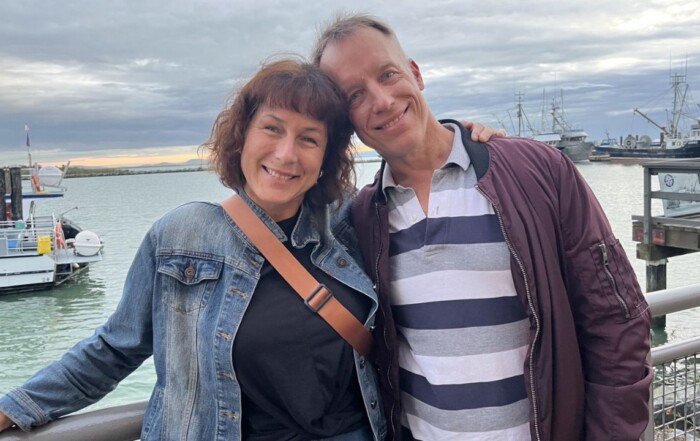
Scott Berkheiser and Dan Jaworski
Two “IRONMEN” are living with Alzheimer’s and mild cognitive impairment, while defying the odds through intense physical training and an unwavering spirit. Watch their story of physical and mental resilience.
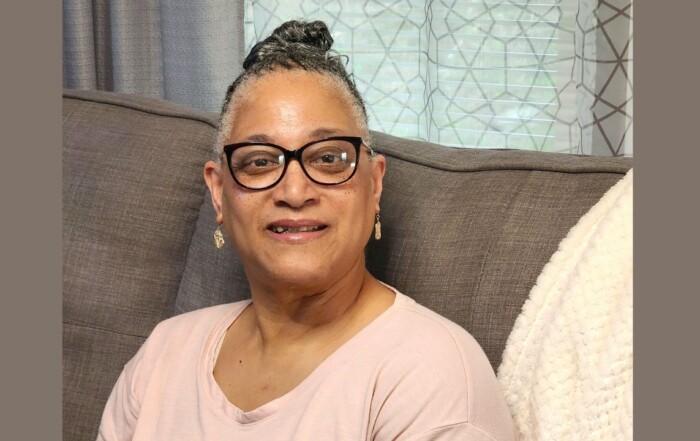
Chris Tann
Ever since U.S. Navy veteran Chris Tann was diagnosed with behavioral variant FTD, Tann and his wife have been raising awareness about the condition. Tann is a clinical trial participant and an active member of the Black Dementia Minds support group.
“If you suspect you have Alzheimer’s or some form of dementia, don’t wait. Especially if you’re younger, doctors tend to push it off. Get checked out, go to a neurologist, get second opinions”
– Scott Berkheiser, IRONMAN competitor living with early-onset Alzheimer’s
Interactive learning guides
Why is misdiagnosis so common?
Early and accurate diagnosis increases options for better care, lifestyle interventions, and treatments that could slow disease progression. Learns the ins and outs of the diagnostic process, including common reasons behind misdiagnosis.
What does “normal aging” look like, and when does occasional forgetfulness signal brain health problems?
Learn about factors that contribute to brain aging and take our free quiz to help you spot what’s normal and what’s not.
Clinician Spotlight with Dr. Barak Gaster
Expert advice: Normal aging vs. Dementia symptoms
Getting an accurate dementia diagnosis is essential to intervening early in order to slow down disease progression. University of Washington’s Dr. Barak Gaster tells us key early signs that help doctors make a better diagnosis.
Explore our dementia learning guides
Explore our dementia learning guides
Click on a topic below to view the guide.
FAQs about dementia diagnosis
As we age, it’s normal for the brain to experience natural cognitive decline in various areas. University of Washington’s Dr. Barak Gaster identifies three condensed warning signs beyond normal aging: losing short-term memory, such as asking the same question repeatedly within a short timeframe; having difficulty completing complex tasks, like following a recipe; and becoming disoriented in familiar places, such as getting lost on a well-known route. Some conditions that mimic dementia are actually reversible — blood tests can rule out reversible causes of memory issues, like vitamin B12 deficiency, thyroid problems, infections, or liver/kidney issues.
Neurologist Dr. Marwan Sabbagh offers the following guidance: if a patient complains about their memory, a doctor should evaluate them or refer them to a neurologist — and patients should keep pushing and if a doctor dismisses or downplays their concerns, another doctor should be consulted. For instance, Don Kent was misdiagnosed by six different neurologists before he finally received an accurate diagnosis on Lewy body dementia.
If you are interested in sharing your own dementia diagnosis story with Being Patient, please email lauren@beingpatient.com for information on how to contribute. We are looking for people living with dementia and their caregivers.
