
Vascular Dementia
The second most common form of dementia, vascular dementia accounts for five to 10 percent of all dementia cases. It is an umbrella term that encompasses different conditions resulting from a reduction of blood flow to the brain.

Conditions related to vascular dementia
What is the difference between Alzheimer’s and vascular dementia?
Patient Perspective: Living with vascular dementia
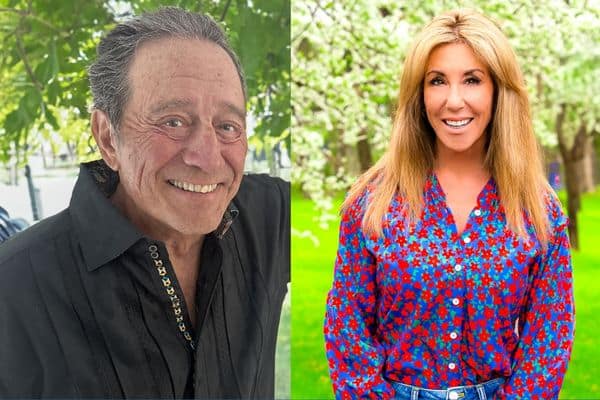
Patient Perspective: Gerda and Peter Saunders on living with vascular dementia
Vascular dementia explained
Vascular dementia is diagnosed through an MRI or a CT scan. Doctors look for signs of blood vessel abnormalities. Treatments include medications prescribed for cardiovascular issues.
Interactive learning guide: Vascular dementia


Vascular Dementia: Genetic Risk
Explore our lifestyle learning guides on brain health
Click on a topic below to view the guide.
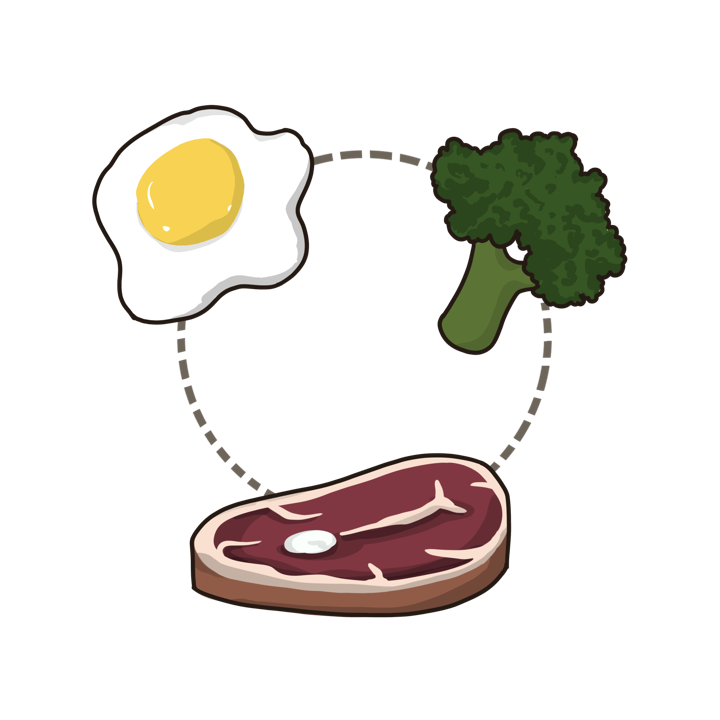


Common treatments for vascular dementia
Here are some common treatments doctors may prescribe if a patient is diagnosed with vascular dementia.
FAQs about vascular dementia
Vascular dementia is a type of cognitive decline caused by reduced blood flow to the brain, often after a stroke or due to small vessel disease. It affects thinking, memory, and reasoning. Symptoms can develop suddenly or progress gradually, depending on the severity and location of blood vessel damage.
Symptoms of vascular dementia include confusion, difficulty concentrating, trouble planning or organizing, slowed thinking, memory problems, and changes in mood or behavior. Some people also experience difficulty with balance, walking, or urinary urgency. Symptoms can vary based on the parts of the brain affected by blood flow loss.
Vascular dementia is not reversible, but its progression can sometimes be slowed by managing underlying conditions like high blood pressure, diabetes, and heart disease. Early diagnosis, lifestyle changes, and medications to improve blood flow can help preserve brain function and quality of life for a longer period.

Your Voice Matters
Being Patient is not a monologue, it is an active
conversation with people in our community. We want to hear from you about your experience – whether it be early signs, diagnosis or living with dementia. Fill out this form and a member of our team will get back to you to see if you want to be interviewed or share your story. Please don’t hesitate to get in touch!
