
Alzheimer’s Disease
A progressive neurodegenerative disease
that causes a decline in memory, thinking, and behavior.
It accounts for 60-80% of all dementia cases.


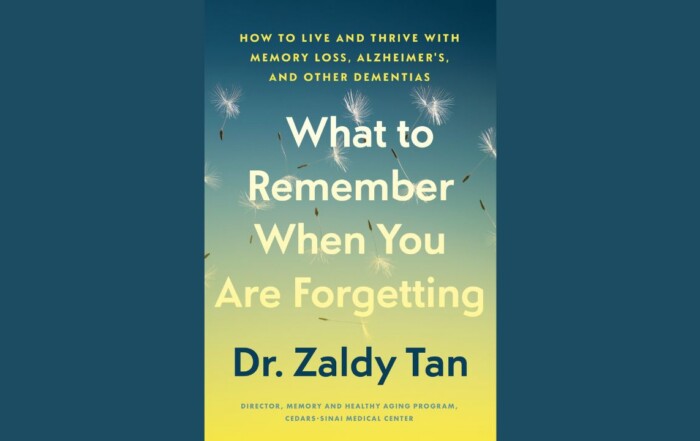
Ten early signs of Alzheimer’s disease
What is the difference between Alzheimer’s and dementia?
Watch our video on the 7 stages of Alzheimer’s
Early-Onset Alzheimer’s
Early-onset Alzheimer’s is a rarer version of the disease, where symptoms arise much younger than the traditional Alzheimer’s diagnosis. Anyone diagnosed with Alzheimer’s before the age of 65 is considered to have ‘early onset.’ Symptoms of this young-onset type of Alzheimer’s typically appear between the ages of 45 and 64 — but it has been diagnosed in people as young as age 30.
Often, the first symptoms of early-onset Alzheimer’s are abnormalities in visual processing rather than symptoms relating to memory loss.
Interactive learning guide: The Science of Alzheimer’s
Alzheimer’s disease is characterized by the accumulation of amyloid plaques and tau tangles in the brain. This buildup triggers inflammation, which is when individuals begin to experience symptoms.
Click on our interactive guide below to learn more about the science of Alzheimer’s
A Being Patient Documentary: Leaving Alzheimer’s Behind



Risk factors for Alzheimer’s Disease
While scientists have identified many of the biological features of Alzheimer’s, the exact cause remains unknown. Researchers believe that a combination of genetic, environmental, and lifestyle factors play a role in its development.
Genetic risk
The APOE4 variant is the most significant genetic risk factor. People who inherit one or two copies of the E4 allele have a higher likelihood of developing Alzheimer’s. However, not everyone with this gene develops the disease
In rare cases, Alzheimer’s can develop in people as young as their 30s or 40s. Early-onset Alzheimer’s is often linked to mutations in specific genes such as APP, PSEN1, and PSEN2.
Lifestyle factors
Prolonged exposure to stress can increase the risk of developing Alzheimer’s by affecting the brain’s ability to process memory.
A healthy diet and regular physical activity are associated with a lower risk of Alzheimer’s.
Poor sleep is another risk factor, as it can affect the brain’s ability to clear out amyloid plaques.
Chronic diseases like high cholesterol, diabetes and cardiovascular disease are associated with an increase risk of Alzheimer’s.
Explore our lifestyle learning guides on brain health
Click on a topic below to view the guide.



Medications prescribed for Alzheimer’s disease
Donepezil (Brand name: Aricept) is a daily pill that helps improve memory and thinking by increasing the amount of a brain chemical called acetylcholine. It is commonly used for all stages of Alzheimer’s disease and may help with daily function for a period of time.
Rivastigmine (Brand name: Exelon) is available as a pill or skin patch. It works by slowing the breakdown of acetylcholine, a chemical that supports learning and memory. It’s used for mild to moderate Alzheimer’s and some forms of Parkinson’s-related dementia.
Galantamine (Brand name: Razadyne) is a pill that boosts acetylcholine levels in the brain and may also improve how nerve cells communicate. It is prescribed for mild to moderate Alzheimer’s symptoms like confusion or forgetfulness.
Memantine (Brand name: Namenda) helps regulate glutamate, a chemical involved in learning and memory. It’s used for moderate to severe Alzheimer’s and can be taken alone or with other medications like donepezil.
Namzaric (Brand name: Namzaric) combines two drugs—donepezil and memantine—to treat moderate to severe Alzheimer’s. It helps improve symptoms by working on two different brain chemicals: acetylcholine and glutamate.

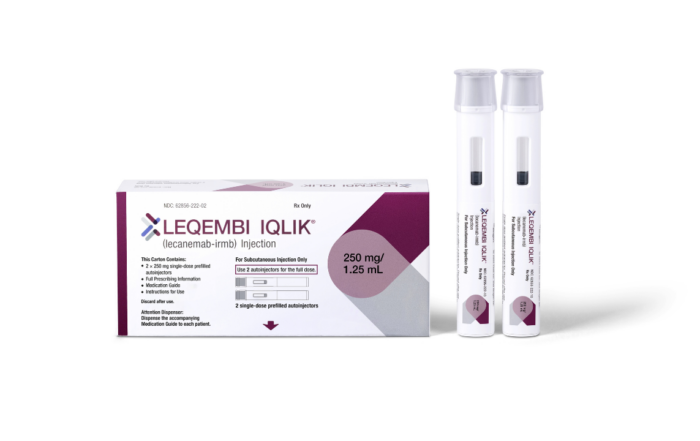

What does the future hold for Alzheimer’s research?
Despite the challenges, Alzheimer’s research is making significant strides, with numerous studies and clinical trials underway to find a cure and better treatments.
Lifestyle interventions: Ongoing studies focus on how diet, exercise, and mental stimulation can impact Alzheimer’s risk and progression.
FAQs about Alzheimer’s disease
Currently, there is no cure for Alzheimer’s disease. However, treatments are available that can temporarily slow symptoms and improve quality of life. Research is ongoing to find therapies that can modify the disease process, including drugs targeting amyloid plaques and tau tangles.
Alzheimer’s disease is caused by a combination of genetic, environmental, and lifestyle factors. Key biological changes include the buildup of amyloid plaques and tau tangles in the brain, leading to nerve cell damage and brain shrinkage. Age and family history are major risk factors.
Early signs of Alzheimer’s disease include memory loss that disrupts daily life, difficulty planning or solving problems, confusion with time or place, trouble understanding visual images, and changes in mood or personality. Recognizing these symptoms early can help with diagnosis and treatment planning.
