AAIC 2025: 7 Big Takeaways from the World’s Largest Alzheimer’s Research Conference

From blood tests to new drug trials, AAIC 2025 showcased major advances in Alzheimer’s diagnostics, treatments and prevention strategies. Here are the highlights.
At the close of the 2025 Alzheimer’s Association International Conference (AAIC) in Toronto, researchers and clinicians left with a clearer picture of where Alzheimer’s science is headed.
Over the past five days of packed sessions and presentations, the focus was on diagnostics, treatments, and innovations that could reshape care in the coming years.
The Being Patient team reported live from Toronto this week, and here are the seven biggest things we’re thinking about on our flights home.
1.Blood-based biomarkers are moving fast.
New guidelines now allow some blood tests to serve as standalone diagnostics for Alzheimer’s — no brain scan needed in certain cases. It’s a huge leap forward. But many clinicians told me they’re struggling to keep up with the sheer volume of new biomarkers being introduced. (My prediction: only the most accurate, affordable tests will survive, as several more are heading for FDA consideration.)
2. Monoclonal antibodies still reign.
Monoclonal antibody anti-amyloids are still the only foreseeable disease-modifying treatments for early-stage Alzheimer’s or mild cognitive impairment. Leqembi (from drug maker Eisai and biotech company Biogen) continues to show real-world safety data in line with clinical trials — but uptake among Black and Hispanic populations remains low.
3. Roche is stepping back into the ring.
Their anti-amyloid therapy trontinemab could be a game-changer if its Phase 3 trial (launching later this year) delivers. In Phase 2, it showed faster and potentially safer amyloid clearance than Alzheimer’s medications Leqembi or Kisunla, especially for people with the ApoE4 gene variant.
4. The race is on to ditch the IV.
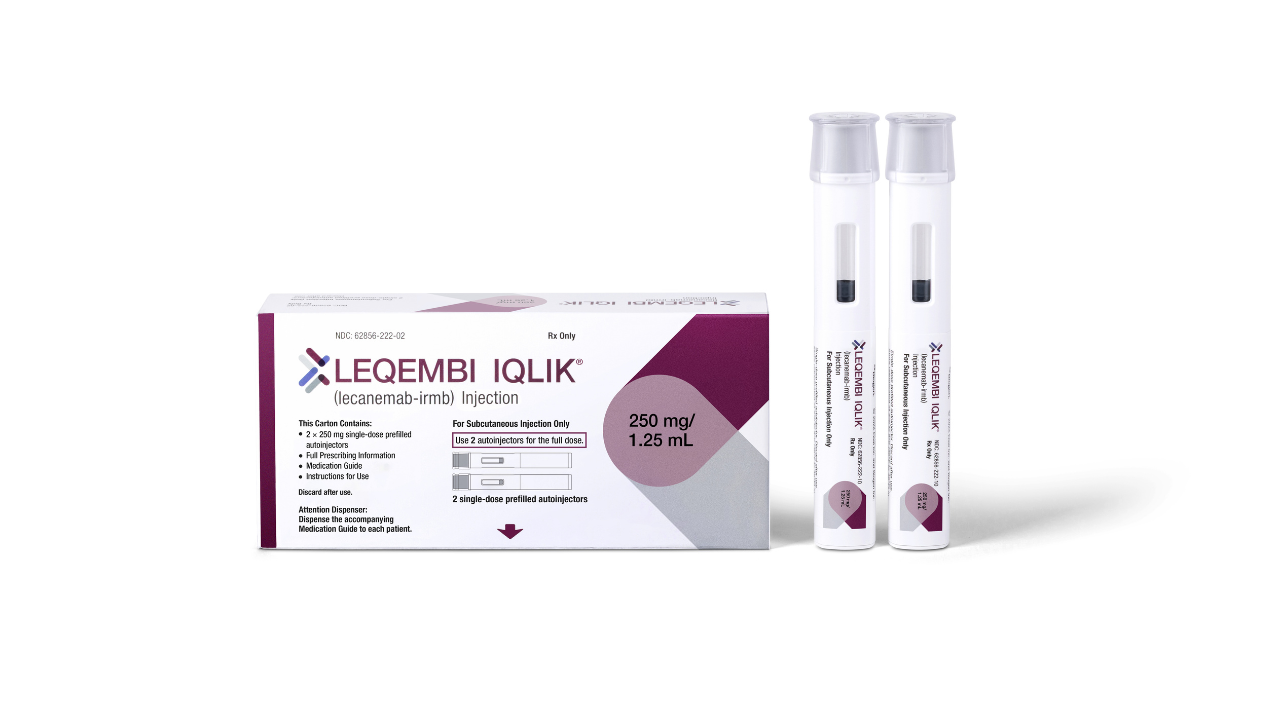
Subcutaneous (under-the-skin) and even pill-based versions of anti-amyloid drugs are in the works. Eisai is leading with subcutaneous delivery — but it’s still only being tested in clinical trials as a follow-up to 18 months of IV treatment. (We hear you — infusions are a tough sell!)
5. Diagnostic tech is leaping forward.
Think portable MRI machines and AI that can analyze scans faster — and often more accurately — than radiologists. These tools could identify at-risk individuals earlier and with more precision.

Patty Kelly (left, age 81) and Phyllis Jones (center, age 66, whose mother had Alzheimer’s) met while participating in the U.S. POINTER study. They’re pictured here with Being Patient’s Lauren Fetten.
6. Lifestyle matters.
The POINTER study reaffirms what many of us already believe: exercise, nutrition, and cognitive engagement can delay the onset of dementia.
7. Even cholesterol drugs are getting a look.
I met with researchers from New Amsterdam Pharma, who are testing whether their cholesterol-lowering drug could help prevent Alzheimer’s.
While no new disease-modifying therapies were announced this year, the innovation pipeline is brimming with potential — and momentum is on our side. From diagnostics to treatment delivery to prevention, science is moving faster than ever.
CORRECTION August 4, 2025: An earlier version of this article stated that Patty Kelly is living with an Alzheimer’s diagnosis. Patty is cognitively healthy and is not living an Alzheimer’s diagnosis.