New Guidelines: When Alzheimer’s Blood Tests Can Replace Scans and Spinal Taps

For the first time, experts have issued guidelines on how specialists should use blood tests to diagnose Alzheimer’s — and when these tests aren’t enough on their own.
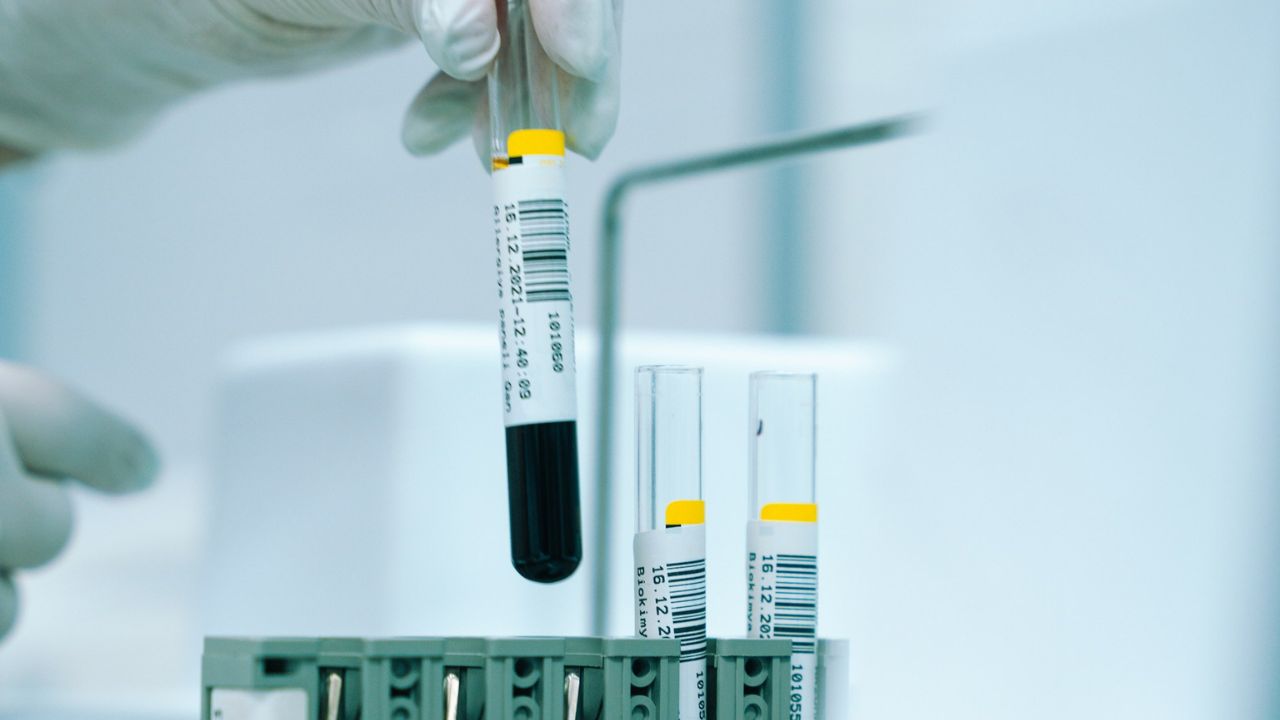
Blood tests could provide doctors with a minimally invasive way to confirm an Alzheimer’s diagnosis early, giving patients the option of trying anti-amyloid drugs or enrolling in clinical trials. But with several Alzheimer’s blood tests on the market (and more coming every few months), picking the right test is a challenge. These tests use different technologies, measure different proteins in the blood, have different levels of accuracy — and so far, only one is FDA-approved.
At the 2025 Alzheimer’s Association International Conference in Toronto, the Alzheimer’s Association presented its first clinical practice guidelines for blood tests. The guidelines were simultaneously published in the journal Alzheimer’s & Dementia. They are part of the Association’s AlzPro initiative to develop resources and guidelines for the diagnosis and treatment of the disease.
“If you had asked me five years ago if we would have blood tests available to help diagnose Alzheimer’s disease, I would have thought that was very far-fetched,” said guideline co-author Rebecca Edelmayer, Ph.D., vice president of scientific engagement at the Alzheimer’s Association.
To develop these guidelines, the Association convened 11 experts to assess all of the data behind 31 Alzheimer’s blood tests.
How should doctors use Alzheimer’s blood tests?
Based on the evidence so far, these guidelines only recommend using blood tests in individuals who have already been diagnosed with cognitive impairment — consistent with recommendations from the Global CEOi on Alzheimer’s Disease and the World Health Organization.
The panel concluded that blood tests are appropriate for use by dementia specialists if the tests meet certain criteria. The guidelines focus on two measures of accuracy: sensitivity and specificity. Sensitivity measures how well a test identifies people who do have Alzheimer’s biomarkers (true positives), while specificity measures how well the test identifies those who do not (true negatives).
The panel outlined two scenarios where blood tests could be used:
-
In a triage setting: A positive blood test would be followed by a spinal tap or amyloid PET scan for confirmation. For this, a test needs ≥90% sensitivity and ≥75 percent specificity.
-
As a standalone confirmatory biomarker: For a blood test to be used alone, it needs ≥90 percent sensitivity and specificity.
Both recommendations are conditional and based on low-certainty evidence — meaning that for now, the case for using these blood tests is not 100 percent clear-cut.
How will these tests be used in clinical practice?
Blood testing for Alzheimer’s biomarkers is still new, with many unknowns.
Not all tests are created equal. “Many of the available blood biomarker tests that are currently on the market don’t necessarily have the same accuracy,” Edelmayer said. “It’s critical that doctors know which tests might actually meet the recommendations.”
Dr. Howard Fillit, chief science officer at the Alzheimer’s Drug Discovery Foundation, who wasn’t involved in drafting the guidelines, told Being Patient that doctors need more data to know how and when to use these tests.
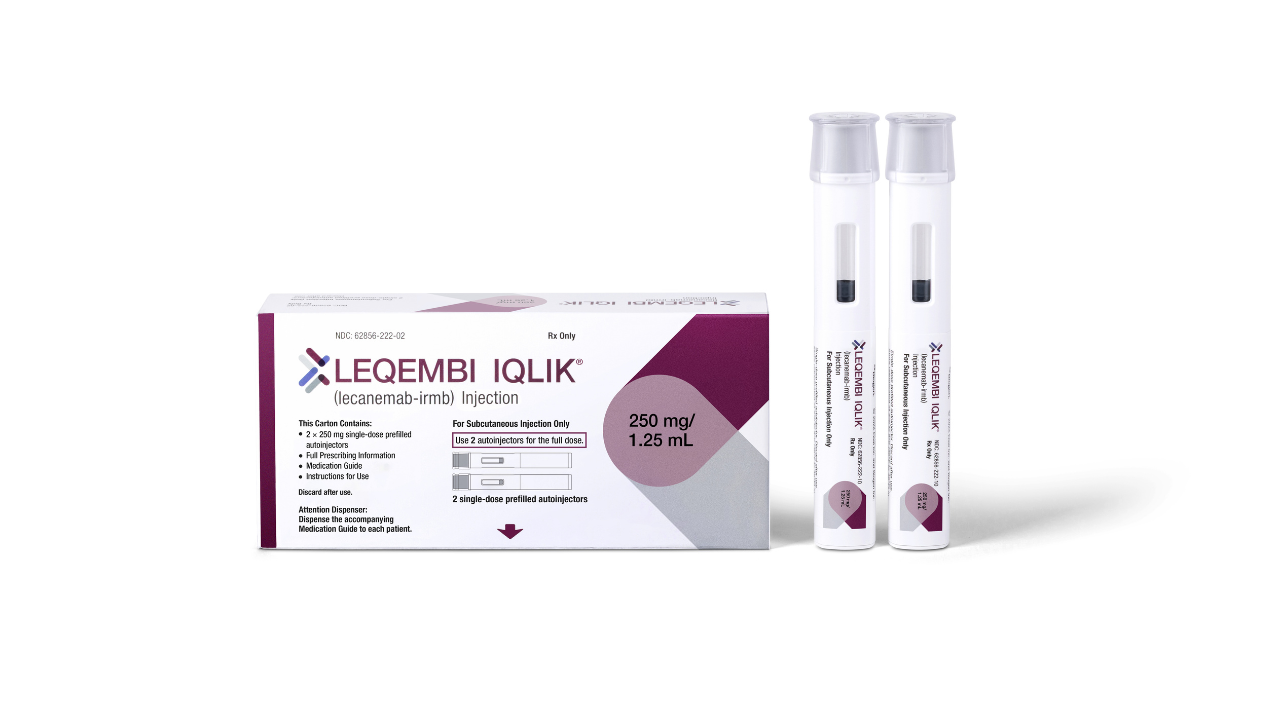
Still, some clinics are already using them. At Washington University in St. Louis, about 15 percent of patients taking Leqembi had a blood test to confirm their diagnosis, without additional testing.
For now, the guidelines committee does not recommend using blood tests in primary care, but that could change as more studies come out. (Global CEOi guidance suggests that blood tests may be used in primary care if the test has ≥90% sensitivity and ≥85 percent specificity.)
While these tests aren’t recommended for use in people without cognitive problems, some neurologists still use them in healthy older patients. “I think that the tests will be used in people who are asymptomatic, who are really concerned and want to know their status,” said Fillit. He has ordered the test for a small number of asymptomatic patients in his practice who wanted to learn their risk.
“The clinician that orders the test in asymptomatic patients should be prepared to counsel on the results,” Fillit added. “If a positive test makes them more compliant with prevention strategies and more careful management of diabetes and hypertension, then I think there’s been some good done to delay the onset.”
Dr. Jonathan Schott, a neurology professor at University College London, is collecting data on this question. At AAIC, Schott presented preliminary results showing that a pTau-217 blood test could help identify which healthy older adults are unlikely to develop Alzheimer’s or dementia in the next five to 10 years.
“That would be reassuring” for patients, Schott said, adding that it “will be hugely beneficial to health services” because it would allow doctors to zero in on the high-risk patients.
Are there risks with Alzheimer’s blood tests?
Most Alzheimer’s blood tests have been studied mainly in white, European patients and are developed for people with symptoms. In other populations, some tests may be less accurate.
There are also risks when using these tests in people without cognitive impairment. Even an extremely accurate test, when used on a large population of healthy people, will lead to many false positives.
A March study tested how well six blood biomarkers predicted Alzheimer’s in 2,148 healthy older adults in Sweden. Over 10 years, more than 90 percent of people who tested negative never developed Alzheimer’s or dementia. But only 43 percent of those who tested positive went on to develop the disease. In healthy people, a positive blood test was about as predictive as a coin toss.
False positives can lead to unnecessary, expensive medical testing, while false negatives can delay care. Some neurologists have criticized blood tests marketed directly for primary care use in cognitively healthy people for these reasons.
Another concern: people who test positive may face discrimination at work or from insurers. At AAIC 2025, researchers discussed the ethical and legal risks of biomarker testing. Jalayne J. Arias, an associate professor at Georgia State University, explained that current laws don’t provide strong protection against discrimination in employment, health insurance, life insurance, and long-term care insurance.
Despite the risks and limitations, Alzheimer’s blood tests are here to stay. And more than half of Americans say they want to know their risk. These new guidelines aim to help neurologists and their patients decide which tests, if any, are appropriate, and to make sure patients are fully informed about the potential downsides.
Related Articles
No Related Post Found