Targeting the ApoE4 Gene to Treat Alzheimer’s

The ApoE4 gene has widespread effects on the brain, increasing the genetic risk of Alzheimer’s. Scientists are targeting the gene to find new treatments.
A single molecular change within the ApoE gene makes the brain more vulnerable to Alzheimer’s. Everyone carries two copies of the ApoE gene, which exists as three different variants: ApoE2, ApoE3, and ApoE4. People who carry one or two copies of the ApoE2 gene have a lower risk of Alzheimer’s.
Meanwhile, those with ApoE4 are at the highest risk: Carrying two copies of ApoE4 confers a 60 percent lifetime risk of the disease.
The ApoE4 variant of the gene ApoE leads to changes in the brain’s immune system and metabolism, making the brain more vulnerable to the build-up of beta-amyloid, tau, and inflammation later in life.
As many as 25 percent of the population carries one copy of this variant, with 2 percent having two copies. But they’re overrepresented among those with Alzheimer’s: One in every six with Alzheimer’s carries two copies of the gene.
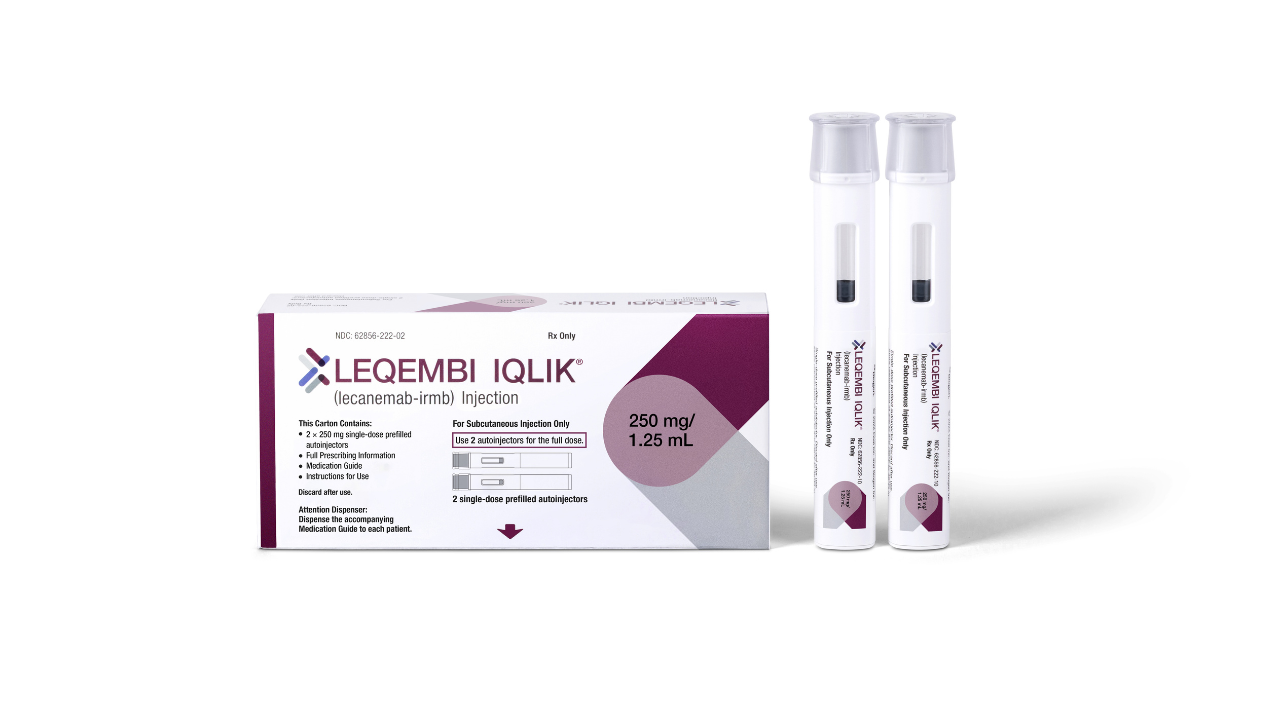
While there are two FDA-approved anti-amyloid therapies, not everyone who carries the ApoE4 gene can take them. That’s because those who carry two copies of the ApoE4 gene have an increased risk of amyloid-related imaging abnormalities (ARIA) — brain swelling and small brain bleeds.
Although people in the U.S. with two copies of ApoE4 can access these therapies, in many other regions, including the EU, the treatment is not approved for people with two copies due to the safety risks. Scientists have been working to develop safe, effective treatments for them.
Pills and peptides that target ApoE biology
Small molecule drugs, rather than antibodies, that target ApoE4 biology are “very attractive because it could be given by a pill rather than an infusion or injection,” Laura Nisenbaum, executive director of drug development at the Alzheimer’s Drug Discovery Foundation, told Being Patient.
Alzheon was the first company to run a Phase 3 trial testing such an experimental pill exclusively in people with two copies of the ApoE4 gene. Their experimental pill, valiltramiprosate, designed to prevent healthy forms of beta-amyloid from turning toxic, failed in its Phase 3 trial of mild cognitive impairment and early Alzheimer’s in 2025.
But there was some signal in the trial that the drug may work in the earliest stages. As a result, the company hasn’t given up on the treatment and will run an additional trial looking at mild cognitive impairment.
Bumetanide, a drug that’s approved to treat fluid retention in heart failure, liver disease, and kidney disease, is being tested in a small Phase 2 Alzheimer’s trial. Studies in mice and cells grown in a dish suggest that this drug might reduce the impact of ApoE4 on the brain.
Artery Therapeutics is in the early stages of testing a drug called CS6253, which is a small peptide — a mini-protein like the obesity drug GLP-1 — that binds to a protein called ABCA1. This enhances its ability to load beta-amyloid onto ApoE4 proteins, increasing their clearance from the brain.
The Alzheimer’s Drug Discovery Foundation is also funding early-stage research by Rosemary Jackson at Dundee University to develop a pill that acts as an ApoE4 corrector, changing the behavior of the protein so it behaves more like the lower-risk version, ApoE3.
Gene therapies: “A message in a bottle”
Gene therapies target the instructions, DNA and RNA, that encode ApoE proteins. DNA is a master cookbook of all the recipes for a cell’s proteins. RNA is a working copy of one specific protein recipe. Some therapies edit the cookbook while others act on the RNA copy, preventing recipes from being read and carried out.
Lexeo Therapeutics is developing multiple gene therapies that insert the DNA for the protective ApoE variant ApoE2 into the brain. The Alzheimer’s Drug Discovery Foundation funded some of this work. “This kind of gene therapy is like delivering a message in a bottle,” Nisenbaum said.
The company completed an early stage trial of LX1001, which involves injecting a virus carrying the protective gene into the spinal canal. They are also developing LX1021, a similar gene therapy that inserts a version of the ApoE2 gene called the Christchurch mutation that confers even stronger protections.
Their other candidate, LX1020, delivers the protective ApoE2 gene alongside small bits of genetic material that would suppress the ApoE4 gene. The ApoE2 would provide protection while suppressing the ApoE4 gene would prevent its deleterious effects.
More gene silencing therapies are on the horizon according to Nisenbaum, with many companies working on getting their experimental treatments to human trials.
Switch Therapeutics will soon head to early-stage trials for its ApoE4-silencing gene therapy. The treatment is designed to bypass the liver, where ApoE serves a crucial role, to reduce the risk of side effects.
ApoE4 could unlock new treatments soon
Researchers are also analyzing the proteins in the blood of people with two copies of the ApoE4 gene to find new drug targets.
People with two copies of the ApoE4 gene have a unique protein signature in the blood, reflecting widespread differences in biology that affect Alzheimer’s vulnerability. As researchers take a closer look at these changes, they’re confident that it will lead to new trials and treatments.
“I expect to start seeing more ApoE specific therapies in the next year, and we also expect to see new treatments that are targeting some proteins that change the ApoE biology,” Carlos Cruchaga, director of the NeuroGenomics and Informatics Center at the Washington University in St. Louis, told Being Patient.