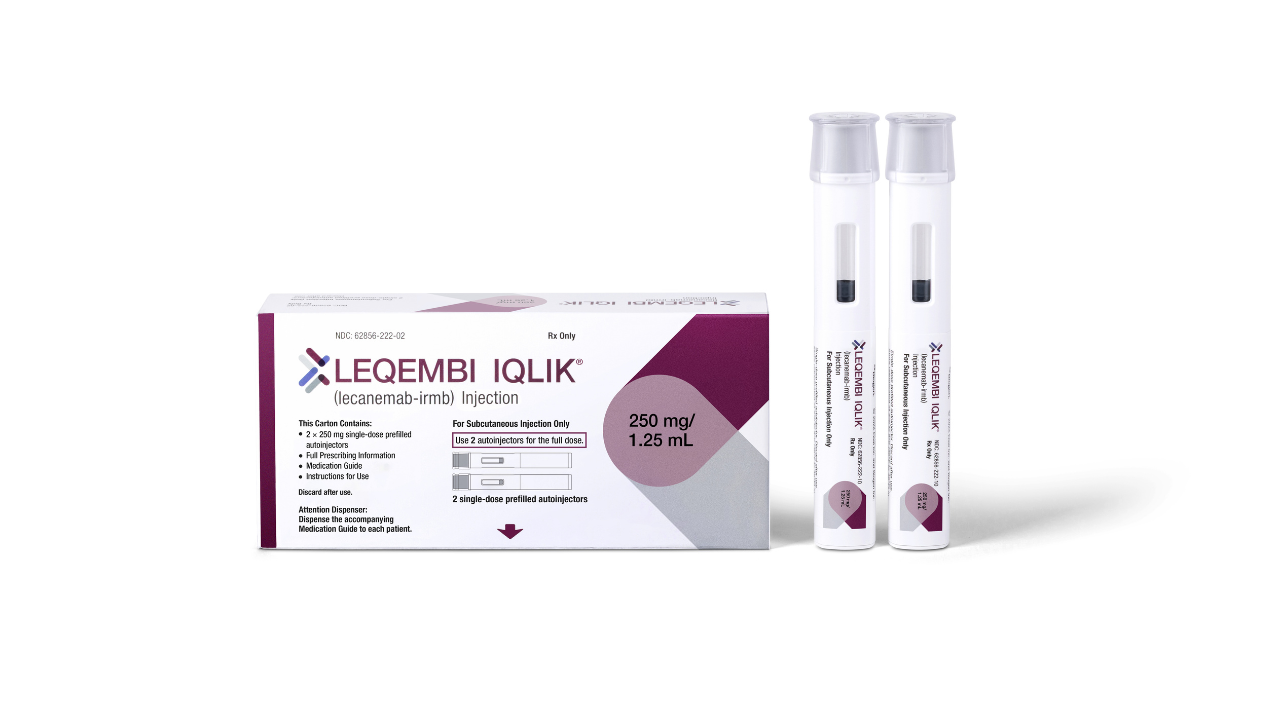
European Regulators Flip on Alzheimer’s Drug Kisunla

In March, European regulators rejected Alzheimer's drug Kisunla citing the number of deaths in clinical trials. Then they changed their minds.
On March 27th, the European Medicines Agency rejected Eli Lilly’s anti-amyloid drug Kisunla. Kisunla is currently approved in the U.S., Japan, and China. But in the EU, regulators argued that the small benefits of the drug, which are similar to Leqembi’s, were not large enough to “outweigh the risks of potentially fatal events” caused by brain swelling and small brain bleeds (also called ARIA).
After Lilly appealed the decision, EU regulators re-examined the evidence, and decided to back the drug’s approval for people without two copies of the Alzheimer’s ApoE4 risk gene.
The process approval of its competitor, Leqembi, followed a similar process.
In 2024, the EU regulatory agency had also changed its mind on Eisai and Biogen’s drug Leqembi: initially saying no, but eventually also approving it for people without two copies of the ApoE4 gene.
Why was the drug originally rejected?
During the Phase 3 trial, three participants died due to ARIA. Lilly proposed restricting the drug to people with early Alzheimer’s who do not have ApoE4, a minority of the participants in the trial. But among them, there was still one death. Even in people without ApoE4 who had a lower risk of these side effects, the regulatory agency felt approving the drug was too risky.
“The agency acknowledged the unmet medical need for treatment of Alzheimer’s disease and took into consideration the views of patients and healthcare professionals who shared their needs and experiences related to living with or treating the condition,” the EU’s drug regulatory agency wrote in its decision.
Dr. Nicolas Villain, a neurologist and associate professor of neurology at Sorbonne University in France, told Being Patient that it was likely a close call for the regulators, as they weighed the deaths and serious side effects against the drug’s benefit.
“Low numbers [of deaths] can be influenced by random factors, and so it’s hard to make a definite decision on such a low number of events,” Villain told Being Patient earlier this year. “Europe is already on the conservative side when making decisions about drug approval, so I’m not that surprised” that the drug was rejected.
Villain speculated that Lilly might provide data from the TRAILBLAZER-ALZ 6 trial, which is testing whether lower doses of the drug reduce the rate of serious side effects. But he isn’t sure the trial has enough participants without any copies of the ApoE4 gene to reassure the regulators.
Why did regulators reverse their decision?
Regulators decided to un-reject the drug after Lilly provided regulators with more data showing that the incidence of severe cases of ARIA in participants was extremely rare.
The company also shared data showing that starting with a lower dose of the drug lowered the chances of ARIA. This dosing regimen was recently approved in the U.S. and contributed to the drug’s approval in Australia.
European regulators will also mandate additional safety measures, which include stricter rules for when side effects necessitate treatment to be stopped and more stringent criteria for deciding which patients are eligible to take the drug.
Now that regulators have recommended the drug’s approval, it is expected that the EU commission will make the final decision to authorize the drug in the coming months.