How ApoE4 Increases Alzheimer’s Risk: What Blood Proteins Are Revealing
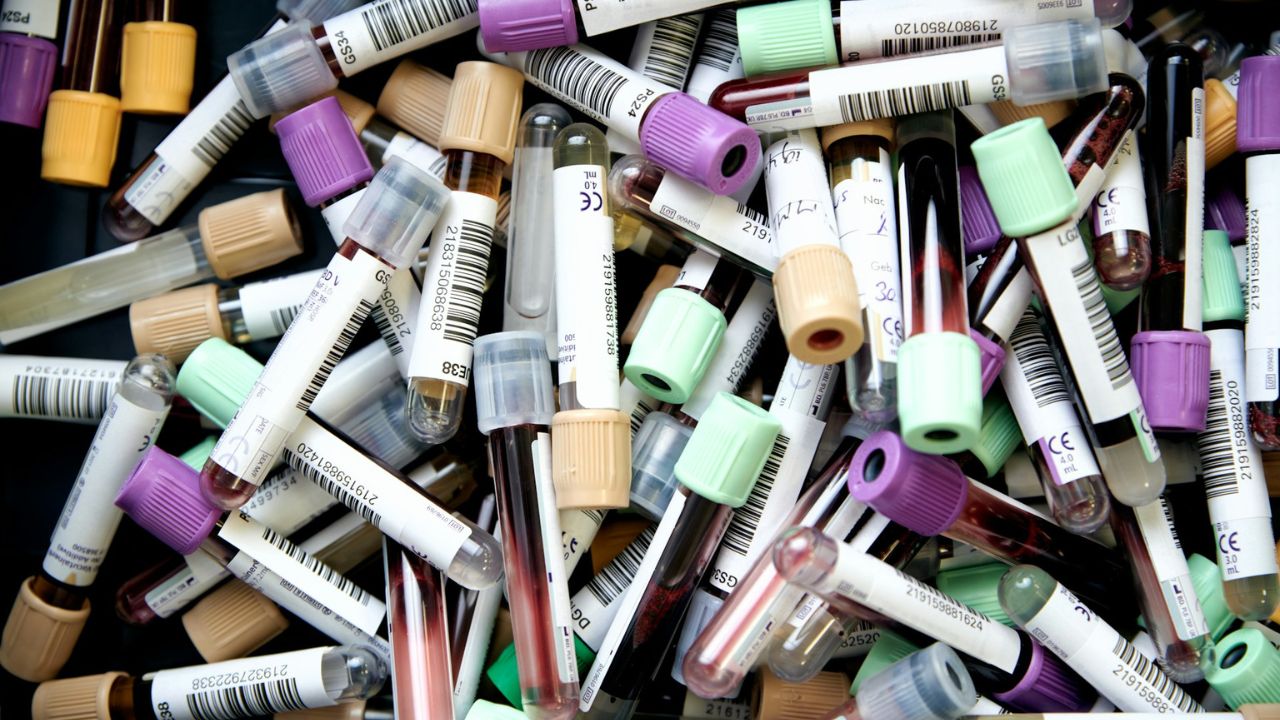
Scientists are studying the thousands of proteins in the blood to understand how ApoE4 makes the brain more vulnerable to Alzheimer’s.
Tiny changes in our DNA can have enormous consequences for brain health.
There are 3.2 billion base pairs in the human genome — molecular letters that direct how proteins are made and function. A single change in one of these letters within the ApoE gene can profoundly impact brain health. Carrying one copy of the altered version in ApoE4 increases the risk of Alzheimer’s, and those with two copies have a 60 percent lifetime risk.
Compared to the neutral ApoE3 version, ApoE4 makes it harder to clear amyloid plaques and has more widespread impacts on the brain. Some researchers even consider those with ApoE4 to have a distinct form of the disease. Yet scientists still don’t know how a single molecular change drives Alzheimer’s risk. Scientists are turning to proteomics, the large-scale study of proteins, to trace how ApoE4 disrupts the body’s cellular machinery.
ApoE4 impacts the brain and body, affecting vulnerability to Alzheimer’s even before the hallmark amyloid plaques start to build up in the brain. Proteins in the blood offer a window into these early changes, Carlos Cruchaga, director of the NeuroGenomics and Informatics Center at the Washington University in St. Louis, told Being Patient.
The Global Search for ApoE4 Protein Signatures
The Global Neurodegeneration Proteomics consortium (GNPC) is the largest collaboration investigating how ApoE4 drives Alzheimer’s. Backed by Gates Ventures and pharmaceutical company Johnson & Johnson, the group has collected more than 40,000 samples from people with neurodegenerative diseases including 18,000 from those with Alzheimer’s, making the data available to researchers around the world.
When the GNPC formed, it shared the data early with 23 research groups. According to Dr. Farhad Imam, director at Gates Ventures who oversees the project, two of the groups were able to validate findings from smaller studies within two weeks, accelerating their research.
At the 2025 Clinical Trials on Alzheimer’s Disease conference, researchers presented data from the GNPC into ApoE4 biology.
Dr. Niklas Mattson-Carlgren of Lund University, Sweden, wanted to know why ApoE4 increases Alzheimer’s risk while ApoE2, another variant, provides protection. His team identified a unique protein signature in the blood of ApoE4 carriers which remained consistent whether or not they were cognitively impaired.
“You can tell just by looking at a few dozen proteins, whether somebody is an ApoE4 carrier,” Imam said.
Some of the proteins overlapped with those found in people who had Alzheimer’s but did not carry ApoE4. The overlap suggests that ApoE4 may drive harmful immune and vascular-related protein changes that make the brain more vulnerable to Alzheimer’s. These changes occur even earlier than other pathologies, like beta-amyloid plaques, that start to build up a decade or more before the first symptoms.
A different set of proteins might confer protection to people carrying one or two copies of the ApoE2 version of the gene, which support cellular health and dampen inflammation, protecting against disease.
“They’re touching different parts of our biology,” Imam said. In other words, ApoE4 and ApoE2 influence Alzheimer’s risk through separate, rather than opposing pathways.
Then neurologist Erick C.B. Johnson of Emory University tracked how ApoE4 affected proteins in the blood between ages 20 to 90. Early on, people with two copies of ApoE4 showed changes linked to various metabolic pathways and the cell’s ability to manage its proteins. Closer to symptom onset, proteins important for helping brain cells connect and communicate declined.
These molecular shifts could one day help researchers estimate where an individual lies in their trajectory toward cognitive decline. “That ends up being very important when you’re going to start thinking about how we personalize or optimize a therapy,” Imam said.
The GNPC also allowed researchers to determine which brain cells were most affected by ApoE4.
Daisy Ding, a researcher at Stanford University, showed that ApoE4 had specific effects on different brain cells. Using protein signatures in the blood, she and her colleagues found that the brain’s supportive star-shaped cells, the astrocytes, aged quicker in people with one or two copies of the ApoE4 gene and slower in those with the protective ApoE2 version. Younger astrocytes were linked to a lower Alzheimer’s risk, even in people carrying two copies of ApoE4.
Moving forward, the GNPC will include samples from Latin America, Africa, Asia, and Oceania to make sure the data is more ethnically diverse. More diverse data will ensure that any biomarkers or treatments developed through the GNPC would work equally well across populations. It will also include blood samples from individuals taking anti-amyloid medications or making lifestyle changes.
Dr. Marwan Sabbagh: What Genes Like ApoE4 Can Teach Us About Alzheimer’s
New precision targets for treating ApoE4 carriers
Only 2 to 3 percent of the population carries two copies of the ApoE4 gene, yet they account for one in six Alzheimer’s cases. Despite the high risk, there are no treatments that target their unique biology.
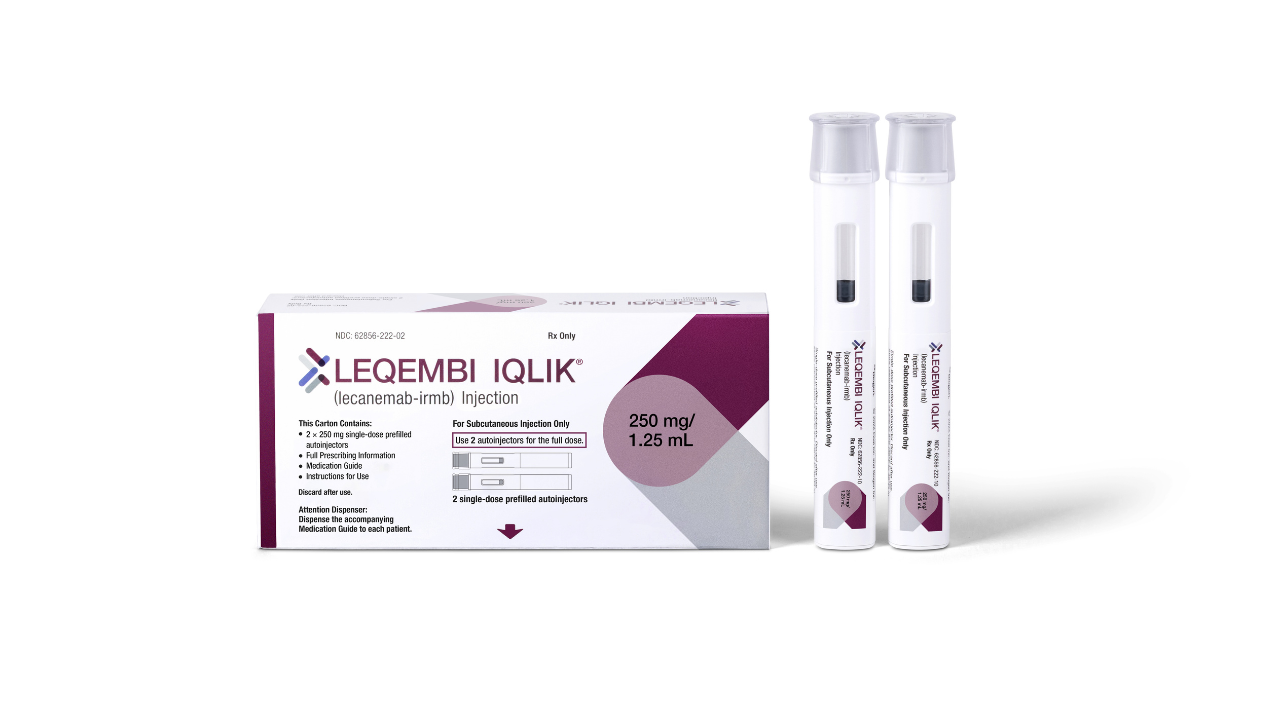
Two anti-amyloid drugs, Leqembi and Kisunla, are approved for treating the early stages of the disease, people who have two copies of ApoE4 face a high risk of amyloid-related imaging abnormalities (ARIA), brain swelling and small brain bleeds. Several counties outside the U.S., countries restricted these drugs for those patients. Other attempts to develop drugs for ApoE4 carriers, like valiltramiprosate, have failed to slow cognitive decline in late-stage trials.
Untangling the web of proteins that are changed by ApoE4 could help find safe and effective treatments, and bring researchers more insight into how drugs are affecting the disease process. Right now, Cruchaga said that proteomics is most useful for spotting new biomarkers — with several groups working on developing blood tests that could tell the difference between different forms of dementia.
“But there are some examples in which these proteomics have pointed to specific pathways and specific genes that are potential [treatment] targets,” he said. This includes proteins like TREM2, MS4A, and CD33 which are involved in the brain’s immune system and are being explored by pharmaceutical companies as new treatments. Beyond that, companies are also attempting to genetically alter ApoE4 to lower the risk,
“I expect to start seeing more ApoE specific therapies in the next year, and we also expect to see new treatments that are targeting some proteins that change the APOE biology,” said Cruchaga.
While cancer scientists have learned to hone in on personalized treatments based on genetics and other biomarkers, Alzheimer’s isn’t there yet. “But we can get there, and we can get there faster than the cancer field,” Imam said. Thanks to new proteomics technology, he thinks we might catch up in the next five to 10 years.