What Is LATE Dementia? In Older Adults It’s Often Mistaken for Alzheimer’s

LATE dementia affects many people over 80 and looks like Alzheimer’s, but it’s driven by a different protein. Scientists are working to better understand and diagnose the disease.
For years, a medical mystery left neurologists stumped. When they examined the brains of people over 80 who had progressive memory decline typical of Alzheimer’s — some didn’t have a high burden of the beta-amyloid plaques or tau tangles that define the disease.
Instead, their brains revealed profound cell death and scarring in the hippocampus, the brain’s memory hub. In 2006, researchers discovered another misfolded protein, TDP-43, at the root of amyotrophic lateral sclerosis and frontotemporal dementia (FTD). That finding led scientists to wonder whether it could also be contributing to this as-of-yet unnamed form of dementia too.
“There was a whole group of people who didn’t have Alzheimer’s disease who also had this abnormal protein and it was accounting for their memory loss when we didn’t know what was causing their memory loss,“ Dr. Julie Schneider, a neurologist at Rush University told Being Patient. But outside of a relatively small group of scientists and neurologists, it wasn’t widely known. “We needed people to understand that there’s another disease out there.”
This brought Schneider together alongside 34 other researchers across the world to formally describe this new dementia: Limbic-Predominant Age-Related TDP-43 Encephalopathy, or more easily referred to as LATE.
What we know about LATE
Since LATE damages the hippocampus and other memory-related regions of the brain, it often resembles Alzheimer’s.
But misfolded TDP-43 proteins thought to drive the disease start clumping up later in life than Alzheimer’s-linked beta-amyloid. As a result, the risk of Alzheimer’s becomes more prominent after age 65, but LATE often emerges once people hit their 80s. Some of the genes involved across many forms of dementia are also implicated in LATE including the Alzheimer’s risk gene ApoE4 and FTD-related genes like GRN.
Studying additional risk factors for the disease is challenging since there are no validated biomarkers for LATE. But there are some clues: A recent study suggested that a healthy MIND diet might reduce the risk of developing scars on the hippocampus, a downstream consequence of the disease.
More research is needed to know for sure. “We’re still in our infancy and understanding some of these relationships,” Schneider said.
People who have LATE but no other forms of dementia typically experience milder, slower-progressing symptoms that primarily affect memory. But since TDP-43 appears in nearly one-third of people over 85, LATE commonly co-occurs with Alzheimer’s. About half of people in the advanced stages of Alzheimer’s also have the telltale signs of LATE in their brain.
“Many people have both LATE and Alzheimer’s disease pathologies that correlates with a clinical syndrome that is more severe than either LATE or Alzheimer’s disease by itself,” Dr. Peter Nelson, a neurologist at the University of Kentucky, who was also involved in formalizing the definition of the disease, told Being Patient.
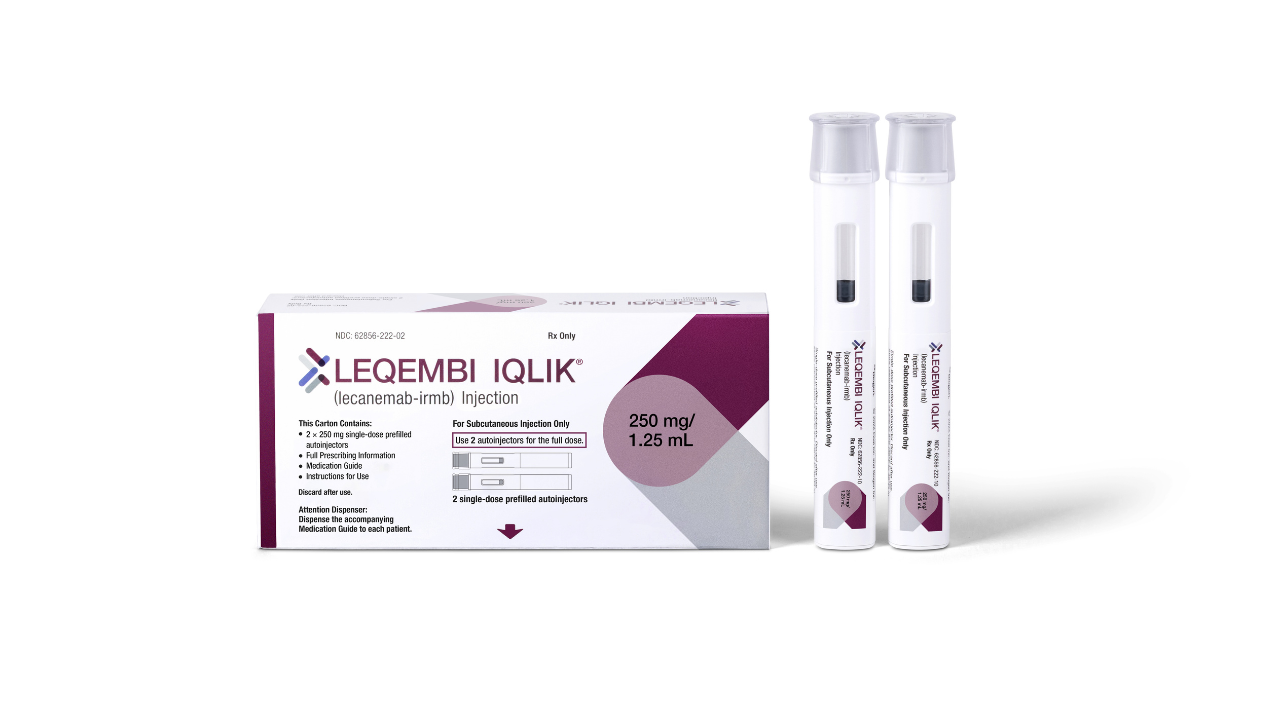
The overlap might have muddled the results of previous clinical trials. Nelson speculated that in those who have both, LATE might interfere with how anti-amyloid drugs like Leqembi or Kisunla work. But Schneider cautioned that we need long-term studies to know for sure.
While there aren’t any FDA-approved treatments, University of Kentucky neurologist Dr. Gregory Jicha told Being Patient that off-label Alzheimer’s drugs that treat cognitive symptoms, like cholinesterase inhibitors, may help manage symptoms for some patients. “Of course it’s trial and error,” he said.
Jicha is leading the world’s first clinical trial on LATE. The trial is testing nicorandil, a drug approved in Europe and Asia for angina, or chest pain caused by reduced blood flow to the heart. Researchers hope it will boost circulation in the hippocampus, preventing damage and shrinkage. The two-year trial involving 64 people is set to finish at the end of the year.
The future of LATE
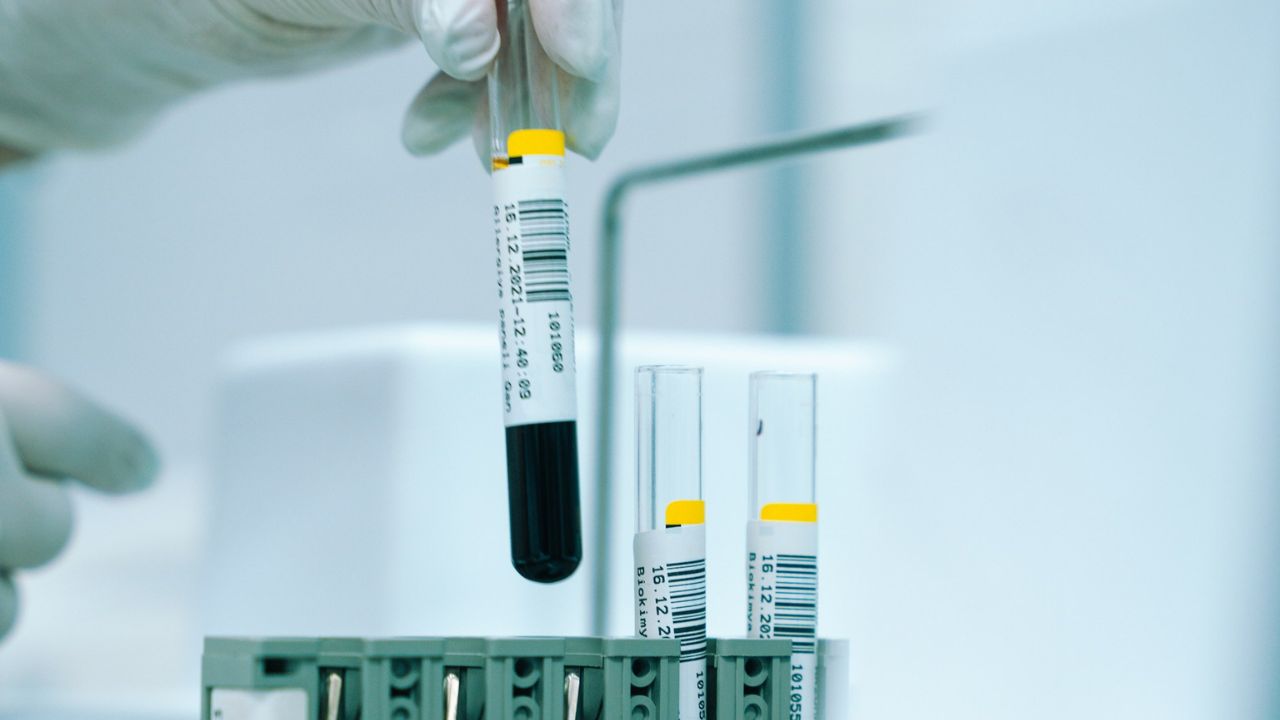
Blood tests and brain imaging biomarkers for TDP-43 would be “the Holy Grail,” Nelson said, adding that developing such biomarkers may be possible within the next five years.
Large-scale clinical trials might take time. Drug companies need reliable ways to confirm they’re recruiting participants with LATE. Targeting TDP-43 poses its own challenges. Monoclonal antibodies — similar to Leqembi and Kisunla but aimed at TDP-43 instead — might attack healthy forms of the protein found elsewhere in the body, Nelson said, potentially leading to unwanted side effects.
Nelson said that an additional challenge is incentivizing companies to develop treatments for people in their 80s, who with effective treatments could keep their brain healthier for longer.
“We tend to just leave those people in their nursing homes to molder away,” said Nelson. “I think we, as a society, should orient ourselves a little bit more carefully for those patients.”