
When It’s Not Alzheimer’s: Neurologist Dr. Gregory Jicha on Misdiagnosis

Dr. Gregory Jicha spoke with Being Patient about why some people diagnosed with Alzheimer’s later learn they don’t have amyloid plaques — and what should happen next.
For some people, years of living with an Alzheimer’s diagnosis end with an unexpected update: A PET scan or blood test shows no amyloid plaques, forcing the next urgent question — if it isn’t Alzheimer’s, what is it?
Dr. Gregory Jicha, a professor of neurology at University of Kentucky, is a physician-scientist with both an MD and a PhD. In his clinical work, he evaluates people with memory concerns and helps guide the safe use of newer Alzheimer’s treatments, including monoclonal antibodies designed to remove amyloid from the brain.
In this conversation with Being Patient’s Deborah Kan, Jicha explains that misdiagnosis is common and he urges a thorough “workup” before labeling symptoms as Alzheimer’s. He walks through what patients should expect: bloodwork to rule out reversible causes like vitamin deficiencies, thyroid and other endocrine problems, and depression, plus brain imaging to look for strokes, tumors and small-vessel disease.
He also highlights LATE, a common but often overlooked dementia that can look like Alzheimer’s but typically lacks amyloid and tau. (LATE stands for limbic-predominant age-related TDP-43 encephalopathy.)
Being Patient: We’re hearing stories of people who have been diagnosed with Alzheimer’s disease, only to find out with a PET scan that they don’t have any plaque in their brain. So from your practice and seeing these patients, how common is that?
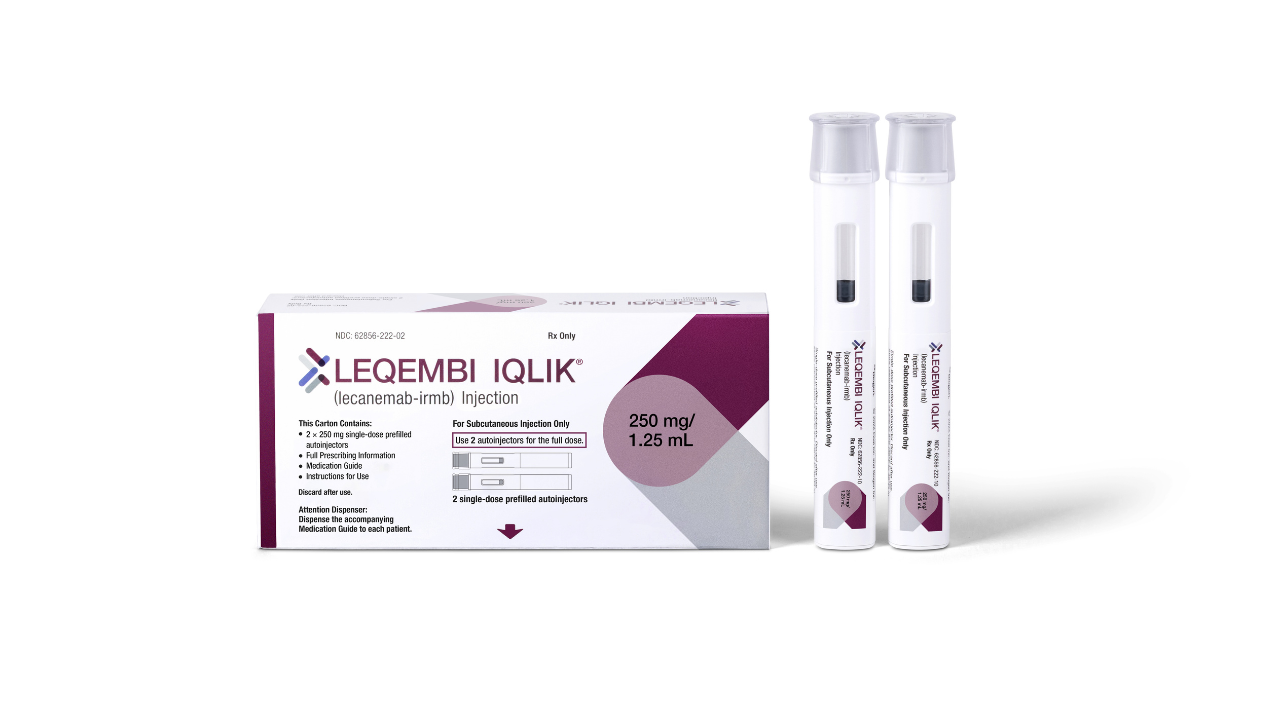
Dr. Gregory Jicha: It’s actually quite common. We have a lot of people coming to the center because we have expertise in administering these monoclonal antibodies and keeping people safe. The whole purpose is to get the amyloid out of their brain. The first thing that we have to do really is prove that they have amyloid in their brain, because we’re not going to give them medicine if they don’t have amyloid. And we’re seeing very large numbers.
We’ve known this intrinsically for years because of autopsy studies where we understand that somebody was diagnosed with Alzheimer’s in their life. When they pass away and a pathologist looks at their brain, only about 80 percent of them actually have Alzheimer’s disease, 20 percent don’t. They have other things. We’re seeing about the same equivalent right now, except the patients are alive and they want answers.
Being Patient: We’ve interviewed people who have been in this circumstance. They’ve gotten diagnoses eight to 10 years ago. So they’ve been living, thinking they have Alzheimer’s disease, only to be told, “You don’t have the pathology in your brain.” So I guess the next question is, well, then what?
Jicha: The first thing, when someone comes down with a memory problem, is we’ve got to look for common medical conditions that can affect memory and thinking, and they can look just like Alzheimer’s disease. So the American Academy of Neurology actually has a guideline that says you must screen people for basic metabolic factors, for thyroid function, for vitamin levels. And you have to take a picture of their brain. You have to screen them for depression and other etiologies that could be responsible, before we move to this could be a neurodegenerative disease.
A lot of folks are not receiving that early recognition. They show up with memory problems and are dismissed as having Alzheimer’s disease. And that is a shame, because that prevalence can be quite high in our community research cohort, where we test people regularly. If they start to develop a memory problem, we can detect it before they’re even aware of it. We approach them all and say, “We need to put you through this workup.” What we found is about a third of them actually have one of these other medical conditions.
“When they pass away and a pathologist looks at their brain, only about 80 percent of them actually have Alzheimer’s disease, 20 percent don’t. They have other things. We’re seeing about the same equivalent right now, except the patients are alive and they want answers.”
Being Patient: What are those conditions?
Jicha: Vitamin deficiencies are really big. B12 and folate are [the big ones]. But there are some others. We’re seeing a lot of B6 nowadays as well, which is usually associated with peripheral neuropathy but can lead to memory problems.
Endocrine dysfunction: thyroid, adrenal problems. Depression is a huge mimic for Alzheimer’s disease and is responsible for its own form of cognitive disorder that can look exactly like Alzheimer’s disease in many cases. But it really requires different treatment options.
We have to take a picture of the brain. I can’t tell you the number of patients over the last several decades. I have seen thousands of patients who have come in with a diagnosis of Alzheimer’s and wanted to know what else they can do. And nobody’s ever taken a picture of their brain in an MRI scan. I find brain tumors. I find major strokes that they were not aware of because they were not physically disabling; they were cognitively disabling.
And then we see a lot of small-vessel disease, what we used to call hardening of the arteries in the brain. And all of those are really important. We can see things like normal pressure hydrocephalus, too much fluid building up in the brain, and that’s fixable, treatable.
Being Patient: What should patients be tested for if they come in and say, “Doctor, I have terrible memory problems.” What’s the playbook to assess them?
Jicha: So the doctor should listen to you and your family about this. Take that problem seriously. They should order a panel of bloodwork, basic metabolic labs, check vitamin levels, and they should get a picture of your brain. They should screen you for depression and they should perform at least a bedside examination of you. And if you haven’t had those things done, you cannot say that you have Alzheimer’s.
For many folks, they really need to go back to that get-go and make sure that that’s done. So very simply, when I’m talking to folks in the community, I ask them, “Did your doctor send bloodwork to look for medical causes of your memory problem?” And if they say no, I say, “You need to come in and get that.”
Being Patient: Are you using the blood tests for Alzheimer’s yet?
Jicha: We don’t use that routinely in folks until we get to that point. So if we’ve cleared all the medical issues off of the table now, we start to look at the possibility of Alzheimer’s. Some early clues can come out of the MRI scan or CT scan of the brain. Are we seeing shrinkage or is the brain losing nerve cells in a pattern that might look like Alzheimer’s, but especially to use the new monoclonal antibodies that can remove amyloid plaques from the brain.
We need to do a spinal fluid or PET test. Now that we have FDA-approved blood tests, those can substitute. And so our folks are coming in now and asking, so ten years ago, they didn’t have those options that scan or a blood test. And so it was not routine. But over the last two years, it has become standard practice in every memory center to really establish Alzheimer’s because that opens treatment options.
“if you haven’t had those things done, you cannot say that you have Alzheimer’s.”
Being Patient: I know you’ve been running a study on LATE, which is a different type of dementia. It has the same symptoms as Alzheimer’s, yet it is a slower decline. And no amyloid, no tau in the brain. And that’s how you tell the difference. How common is this and what does it look like?
Jicha: It’s actually quite common. And it’s really flown under the radar screen for many years because people were simply given a diagnosis of Alzheimer’s disease. But now with the clinics open and these monoclonal antibodies, blood tests, the PET scans, we’re seeing folks come in for those therapies. About 20 percent of the people that we see coming in requesting these Alzheimer’s medications, when we screened them, actually don’t have any amyloid plaques in their brain. They don’t have Alzheimer’s.
Of course, the first question is, well, if it’s not Alzheimer’s, what is it? So we do need to go back, make sure they had a medical workup. But frequently they looked like Alzheimer’s with a memory problem. They don’t have amyloid plaques as measured by PET or blood tests or spinal fluid. And we see the memory structures in the brain are very shrunken (atrophy) from a loss of nerve cells in a pattern similar to Alzheimer’s disease, in the hippocampus.
That tells us when we see the memory problems, the small hippocampus, and you’re amyloid-positive, you have Alzheimer’s. If we see the memory problems, small hippocampus, and no amyloid, you’re really LATE.
Being Patient: And this is where the blood tests can be interesting, right? Because someone with LATE is not going to be in the positive range.
Jicha: Number one, they should not receive the antibodies that would do them no good. They would just be placing themselves potentially at risk for no benefit.
What we’re really seeing is a lot of folks very upset; part of their identity has been Alzheimer’s disease. And they really want those answers. They really want to know what is this, so that we can come up with a plan and what are we going to do about it? And what does this mean for my future? And so those are all big questions.
Being Patient: How do you treat LATE today?
Jicha: So LATE today is treated conservatively. There are no medications that can change the disease course. It is a degenerative disease just like Alzheimer’s. It’s just associated with different proteins in the brain. Some of the areas that are hit are very similar in terms of the loss of nerve cells. We don’t yet have clinical trials, but anecdotally, off-label use of some of the Alzheimer’s medicines, cholinesterase inhibitors, like the donepezil, may be beneficial for some of these patients. So of course it’s trial and error. And we really need to start doing some real studies here to figure out what is best.
There is some good news that it is a degenerative disease. It’s going to be progressive, but it restricts to the temporal lobes and portions of the frontal lobe. So we don’t tend to see full widespread brain destruction as we do in Alzheimer’s. That can lead to a very prolonged course, many years, more years of quality of life. It also leads to a narrower constellation of symptoms.
The absentminded professor, for instance, would more than likely have LATE, not Alzheimer’s disease. Now, if he started hitting and attacking his students, then we might say, this maybe is Alzheimer’s disease. You’re affecting some of the other judgment areas of the brain that aren’t affected in life. So that’s good news. But we really need to get on the ball. We need to recognize this as a leading cause for memory and thinking problems in aging.
We need trials. We need medications that are going to help these people. Estimates are, about 1.2 million people in the United States have LATE. And previously we had called them all Alzheimer’s, but that’s not the case. And so our own advancements are forcing us to correct the narrative.
FAQs
Yes you can have dementia symptoms — like memory loss or cognitive decline — and no amyloid plaques. There are many other diseases like vitamin deficiencies, thyroid problems, menopause, sleep apnea, depression, and non-Alzheimer’s forms of dementia that share similar symptoms.
Limbic-predominant age-related TDP-43 encephalopathy, also called LATE, is a form of dementia caused by abnormal deposits of TDP-43 proteins. Unlike Alzheimer’s, there is no buildup of beta-amyloid and tau, and it typically affects people in their 80s — more than a decade later than when Alzheimer’s tends to start. Since both LATE and Alzheimer’s cause memory loss, LATE is sometimes misdiagnosed as Alzheimer’s.
The doctor should order a panel of bloodwork including basic metabolic labs and vitamin levels (especially B12, folate, and B6), check thyroid and adrenal function, screen for depression, and get brain imaging — an MRI or CT scan. If reversible causes of symptoms, like buildup of fluid in the brain, are ruled out and neurodegeneration is suspected, neurocognitive testing combined with a cerebrospinal fluid test, amyloid PET scan, or one of the newer FDA-approved blood tests can be used to confirm or rule out Alzheimer’s.







Testing testing testing testing