
Dementia Diagnosis 101: How PET Imaging Works and Why Doctors Use It

PET scans remain the gold standard for confirming Alzheimer’s pathology, even as new diagnostic tools emerge.
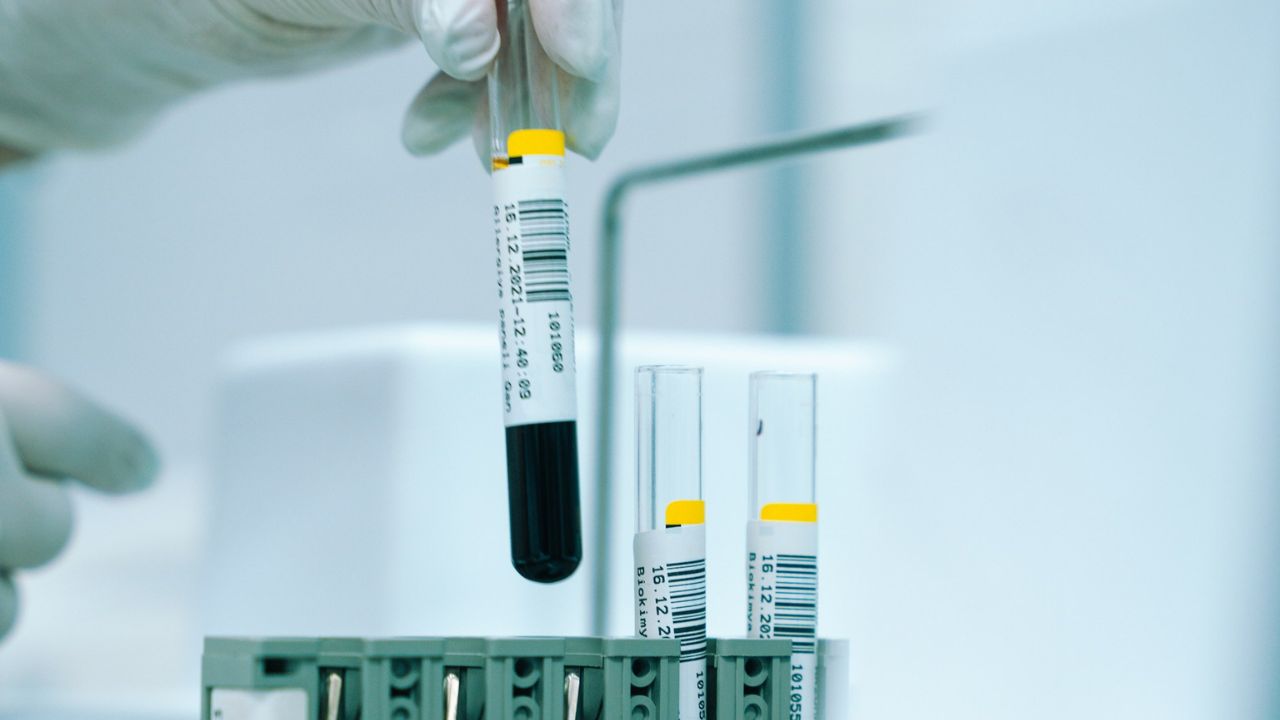
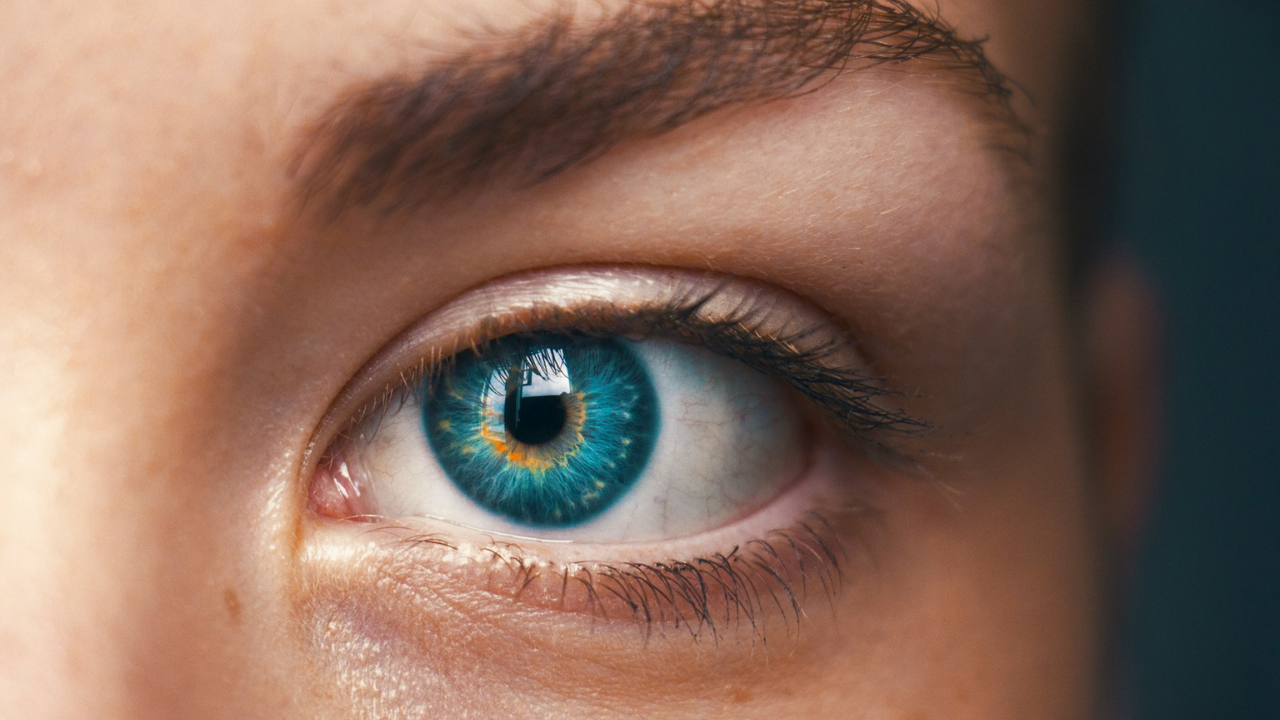
Doctors today have more ways than ever to identify the biological changes linked to Alzheimer’s disease and related dementias. Blood-based biomarker tests can now detect abnormal levels of beta-amyloid and phosphorylated tau proteins — indicators once measurable only through spinal fluid or brain imaging. Researchers are also testing retinal scans that may visualize amyloid deposits in the eye, and digital cognitive tests that detect early signs of memory decline.
These advances are reshaping the diagnostic process, making it possible to rule dementia in or out earlier, less invasively, and at lower cost. Still, when physicians need a definitive view inside the brain, PET (positron emission tomography) imaging remains the clinical benchmark.
PET allows doctors to see the molecular and metabolic changes that characterize Alzheimer’s disease — changes that blood or digital tests can only infer.
What a PET scan shows
A PET scan uses a small amount of radioactive tracer that binds to specific molecules in the brain. The tracer releases signals detected by the scanner, which are converted into detailed, color-coded images showing where and how much of a target substance is present.
Depending on the tracer used, PET imaging can reveal different biological processes:
- Amyloid PET detects the buildup of beta-amyloid plaques, one of the two hallmark proteins in Alzheimer’s.
- Tau PET shows tangles of the tau protein, which correlate more closely with symptoms and disease stage.
- FDG (fluorodeoxyglucose) PET measures how brain regions use glucose for energy. Reduced metabolism in certain patterns helps differentiate Alzheimer’s from other forms of dementia.
“The most used one, and most often associated with PET, is fluorodeoxyglucose, which [chemically] very closely looks like a glucose molecule,” Dr. Jacob Dubroff, an associate professor of radiology at the University of Pennsylvania, told Being Patient. “We’re essentially making a map of sugar, and how your body is using sugar.”
By visualizing these changes directly, PET provides information that no other test can fully replicate.
When doctors order a PET scan
PET imaging is generally used when the cause of cognitive impairment remains uncertain after other evaluations. According to current clinical guidelines, appropriate use includes:
- Clarifying a diagnosis when symptoms and routine tests are inconclusive
- Distinguishing Alzheimer’s disease from other dementias, such as frontotemporal dementia
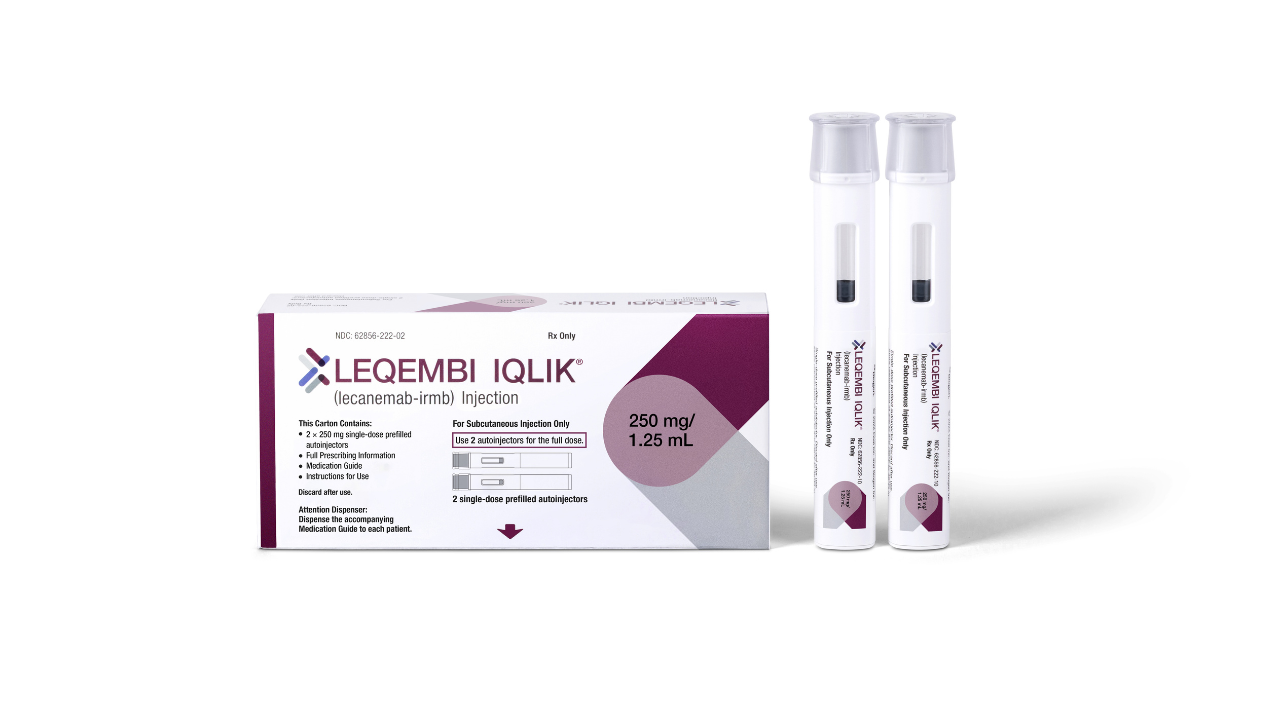
- Determining eligibility for disease-modifying treatments or clinical trials targeting amyloid or tau
Because PET imaging is expensive and not universally covered by insurance, it is not used for routine screening. Physicians weigh whether the result will meaningfully change treatment or care planning before recommending the scan.
“Before you start evaluating for neurodegenerative disease, MRI is usually cheaper, easier to get to, and doesn’t have any radiation,” Dubroff said, referring to magnetic resonance imaging. “The way a lot of our insurance structure is set up is we don’t want to do a PET scan until we had an MRI that did not demonstrate a straightforward reason why someone may be having a neurocognitive issue.”
Why PET scans remain essential
While blood tests and other emerging tools are faster and easier to use, PET remains the reference standard for confirming Alzheimer’s pathology in the brain. The technology has several advantages:
- Diagnostic certainty: PET can confirm or rule out amyloid or tau buildup with a high degree of accuracy.
- Guidance for therapy: Knowing whether pathology is present helps doctors determine if a patient is a candidate for anti-amyloid or anti-tau drugs.
- Research value: PET imaging remains critical in clinical trials, where it helps track disease progression and measure how therapies work in the brain.
In studies such as the Imaging Dementia — Evidence for Amyloid Scanning (IDEAS) project, amyloid PET scans were shown to change physicians’ diagnoses in more than one-third of cases and alter patient management in about 60 percent.
“Amyloid PET imaging can be a powerful tool to improve the accuracy of Alzheimer’s diagnosis and lead to better medical management, especially in difficult-to-diagnose cases,” said Maria C. Carrillo, Ph.D., the Alzheimer’s Association chief science officer.
Limitations and considerations
PET imaging provides unique information but comes with constraints. Tracer availability and cost can vary by region. Radiation exposure, while low, is not negligible. And because amyloid can accumulate in the brains of older adults without symptoms, a positive scan does not always mean Alzheimer’s disease is present.
Doctors interpret PET results in the context of cognitive testing, medical history, and other imaging, such as MRI. Increasingly, they may use PET to confirm a diagnosis suggested by blood-based biomarkers rather than as the first-line test.
Questions to ask before getting a PET scan
Patients and families considering PET imaging may want to ask:
- What question is this scan meant to answer in my case?
- How will the result affect diagnosis, treatment, or care planning?
- What type of PET scan (amyloid, tau, or FDG) is being recommended and why?
- Is it covered by insurance, and what are the out-of-pocket costs?
- Are there alternative tests that could provide similar information?
PET imaging allows doctors to look directly at the biological changes that define Alzheimer’s and other dementias. Although newer tools — from blood tests to digital cognitive assessments — are beginning to reshape the diagnostic process, PET remains the gold standard when clarity is essential. It continues to anchor both clinical practice and research, helping doctors and patients move from uncertainty to informed decision-making.






This is a very insightful article, thanks you for writing and sharing
Thanks for this great information!
Interesting!