VOICES: When the Dogwood Blooms
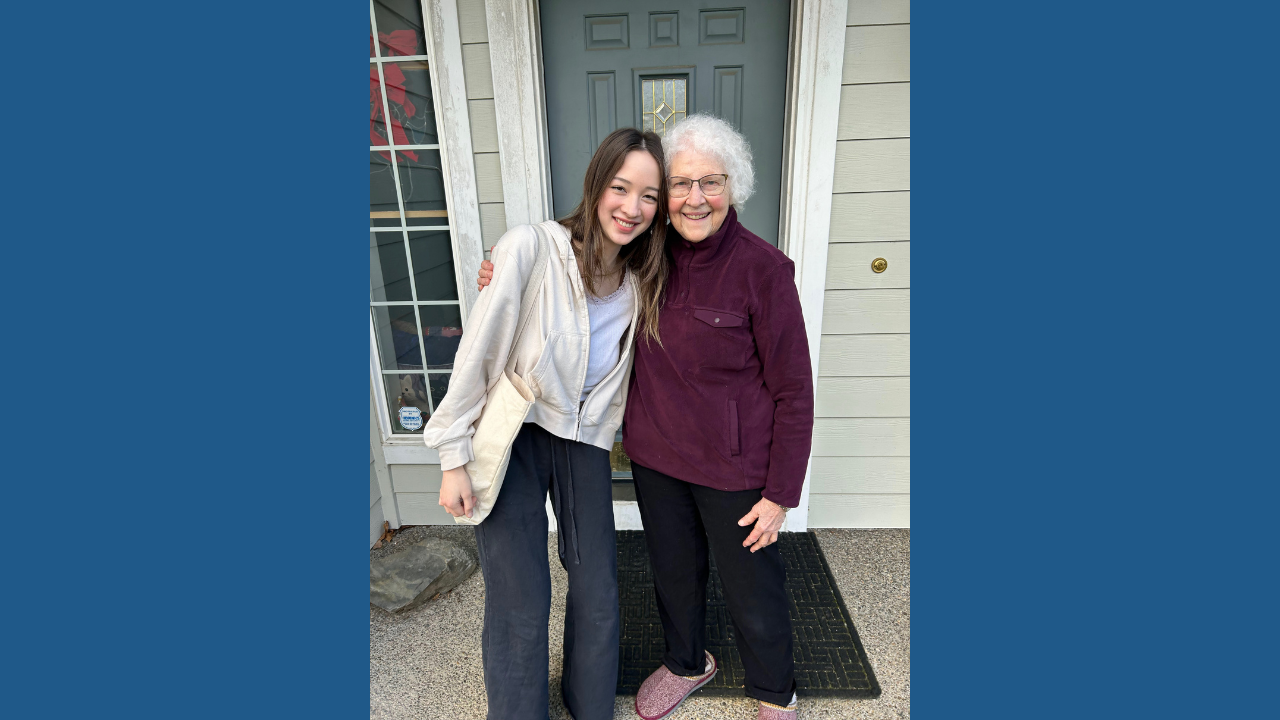
Kira Wang writes about the early changes she saw in grandmother who lives with dementia, and the pieces of her grandmother she's holding on to.
Kira Wang is a senior at Yale University. An avid nature and classical music lover, she is principal cellist in the Yale Symphony Orchestra. She is a pre-med student majoring in biology and aspires to become a physician specializing in geriatrics and palliative care.
The transition to spring in the Pacific Northwest is subtle: rainfalls teasingly slip out before freezing temperatures return to humble them. But the dogwood in Nana’s front yard always knows when it’s springtime. Nana points out the tree’s first blushing white blossom to me every year while we stand together on her doorstep. Last year, she accidentally pointed it out two days in a row; this year, every day in March.
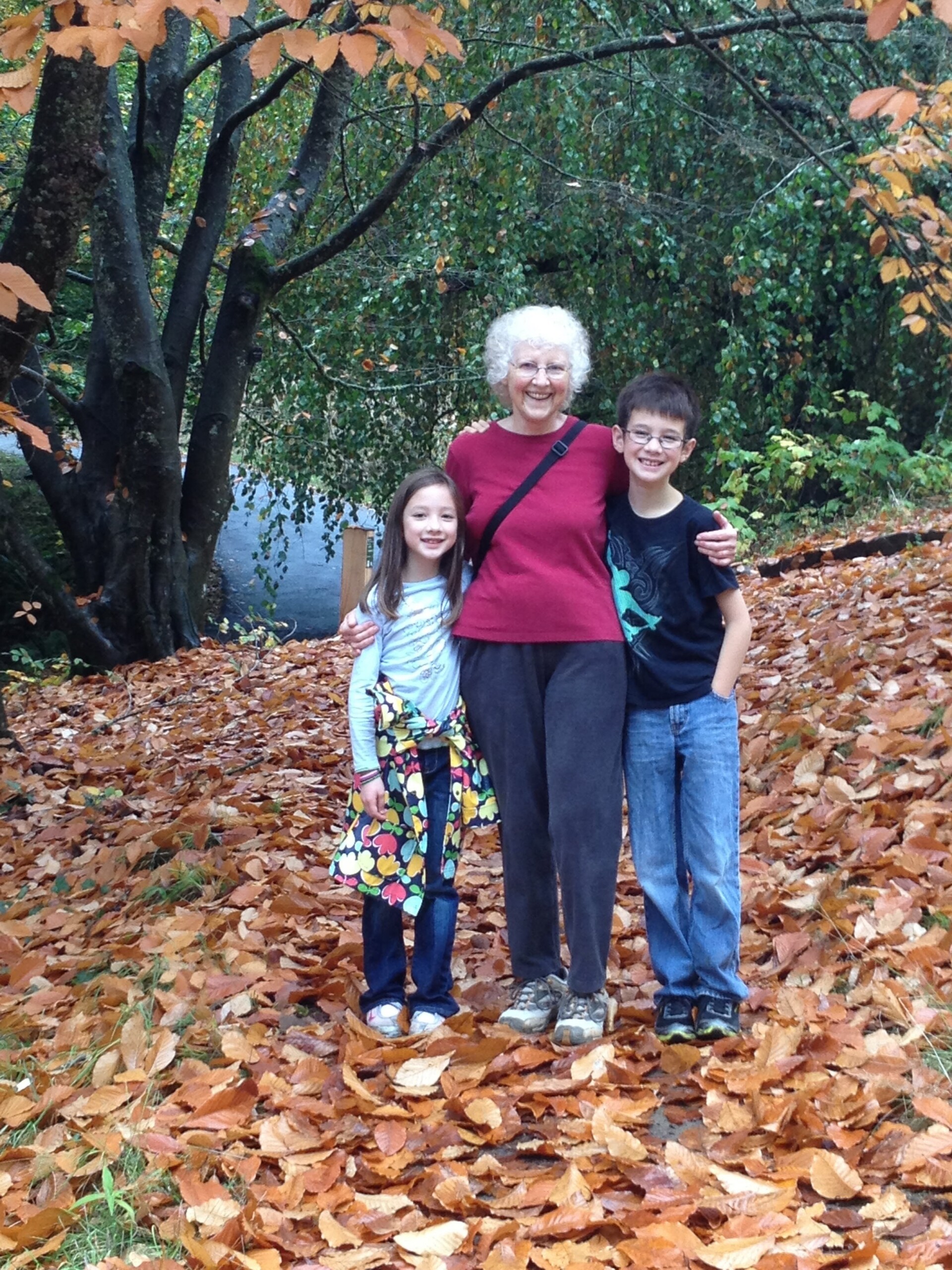
For the first decade of our lives, my brother and I hustled into the backseat of Nana’s blue Prius as she drove us to school, back home, and to our violin and cello lessons. On weekends, Nana took us to the Audubon Society trails. My brother and I would take off, racing over jutting tree roots, egged on by the wind, while Nana trekked steadily behind.
“Hey, have you two looked up?” Finally pausing, we found ourselves immersed in a thick fog threading its way through a kingdom of Douglas firs. Somewhere, a bird was trilling overhead. Nana pointed out the distinctive blue and orange Varied Thrush. Soon, she pointed out a yellow-rumped warbler, a chestnut backed chickadee, and even a northern pygmy owl. Nana knew the whole forest by name and reserved a place for each member in her head.
At first, changes in Nana’s memory and thinking were only noticeable year to year. But then they began to progress by the month, and then by the week. The warblers and chickadees turned into “pieces,” her mother became her sister, and Nancy Pelosi tracked her down at QFC recently because she didn’t donate enough money. Doctors describe Nana’s type of dementia as an insidious gradual loss of word finding ability, memory, and judgement.
Nana does her best to try to work around her deficiencies, but over time things keep getting harder for her.
Two days before the dogwood bloomed this year, Nana’s door swung open and her face reflected a piece of the stormy Oregon sky. Her finger trembled as she shook it at my mom.
“You stole my keys!”
Then, with few actual nouns, she attempted to describe how my mom had snuck in, rummaged through her house, and pilfered her keys. Her voice vibrated with anger, though a faint weakness dampened the effect.
Back at home, my mom’s eyes pressed shut, tears welling up, her shoulders disappearing into the couch. We didn’t need my mom to explain her exhaustion from the constant unpredictability, the false accusations, the anger. I nestled beside her, reminding my mom that it was the dementia talking, not Nana herself.
These were the same trembling fingers that once handed my mom her first violin at age three, and the same voice that found strength for the family after my mom’s father left the picture.
A day before the dogwood tree bloomed, her door swung open and we gingerly entered, bracing ourselves for a reprise of yesterday. Instead, she started describing her latest quilting projects, what the birds had said to her today, and then pausing –
suddenly looking sheepish – mumbled, “Well, I wanted to… I’m sorry about… you know… with the…”
This time we didn’t cut in to supply the nouns for Nana. We just nodded and smiled as the story eventually spilled out. She had found her keys in the microwave. When Nana apologized for raising her voice at her daughter, her pale blue eyes dewed, remaining foggy for a moment before releasing precious teardrops. My heart crumbled as I watched each one fall.
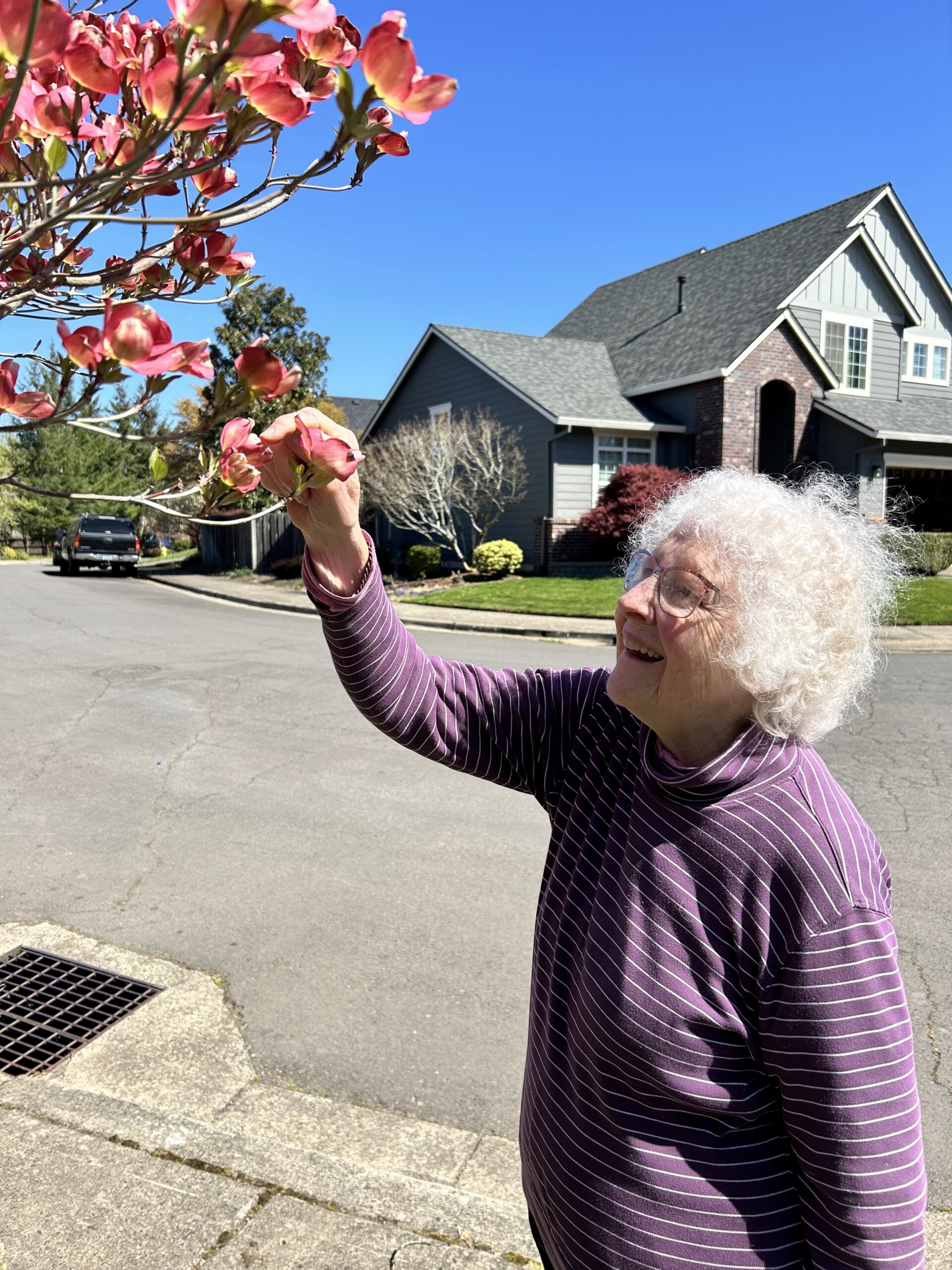
Nana is not allowed to drive her Prius anymore, much to her chagrin. She has stopped attending morning swim at the Sunset Athletic Club and annual quilting club with her best friends. These days, we have become Nana’s only social contact. Each afternoon, Nana sits in her recliner by the front window waiting for us to pull up.
Today, as we walk through the yard to her front door, I’m flooded with memories of walking this path during every stage of the dogwood’s flowering life cycle. Nana opens her door and says, “Look!” gesturing with genuine surprise at seeing the dogwood blossoms. This time, I look more closely and smile: the blossoms do seem to have a more brilliant white hue today.
As dementia gradually takes pieces of Nana from us, I savor her warmth, her empathy, and the simple curiosity with which she views the world. Now when we walk the trails, a smile of recognition crosses her face when I point out her favorite birds and trees, which I know by name because Nana taught us to stop and look up once in a while.