Grace in the Hallways
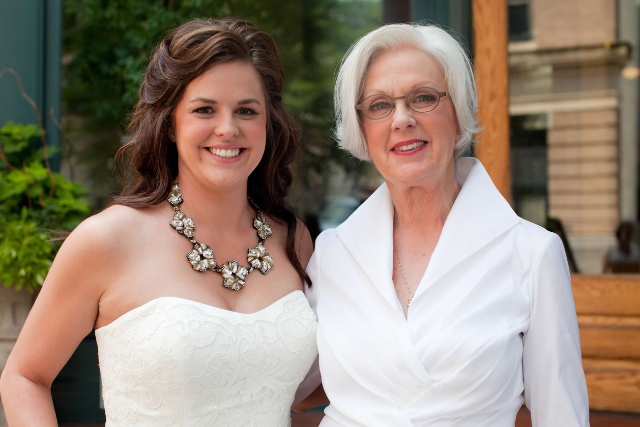
Lauren Hauter writes about caring for her mom with Alzheimer's and learning how to give herself and others grace.
For 13 years, Lauren cared for her mom through Alzheimer’s, an experience that reshaped how she sees grace, empathy, and what real care looks like. A former Alzheimer’s Association Ambassador and Parkinson’s Foundation MN/ND board member, she continues to advocate for families. Her work sits at the intersection of healthcare, philanthropy, and the very human act of showing up for the people you love.
When my mother needed memory care, I thought I was prepared. I wasn’t. What I learned instead was that love, like caregiving, takes a village — and that village deserves our grace.
I became my mother’s caregiver at the age of 27. Four years later, after my son Jack was born, I moved her into a care setting. Within two months, she needed memory care.
For those of us without a village —no siblings, no extended family to share the load — the people inside those care center walls become your village. And what a remarkable group of people they are.
The past 13 years were filled with grief, frustration, and questions without answers. But through it all, my mom was still teaching me.
She was teaching me patience.
She was teaching me to slow down.
She was teaching me to cherish the time we’re given, to make the memories, take the trip, and do what makes you happy.
Through Jack’s eyes
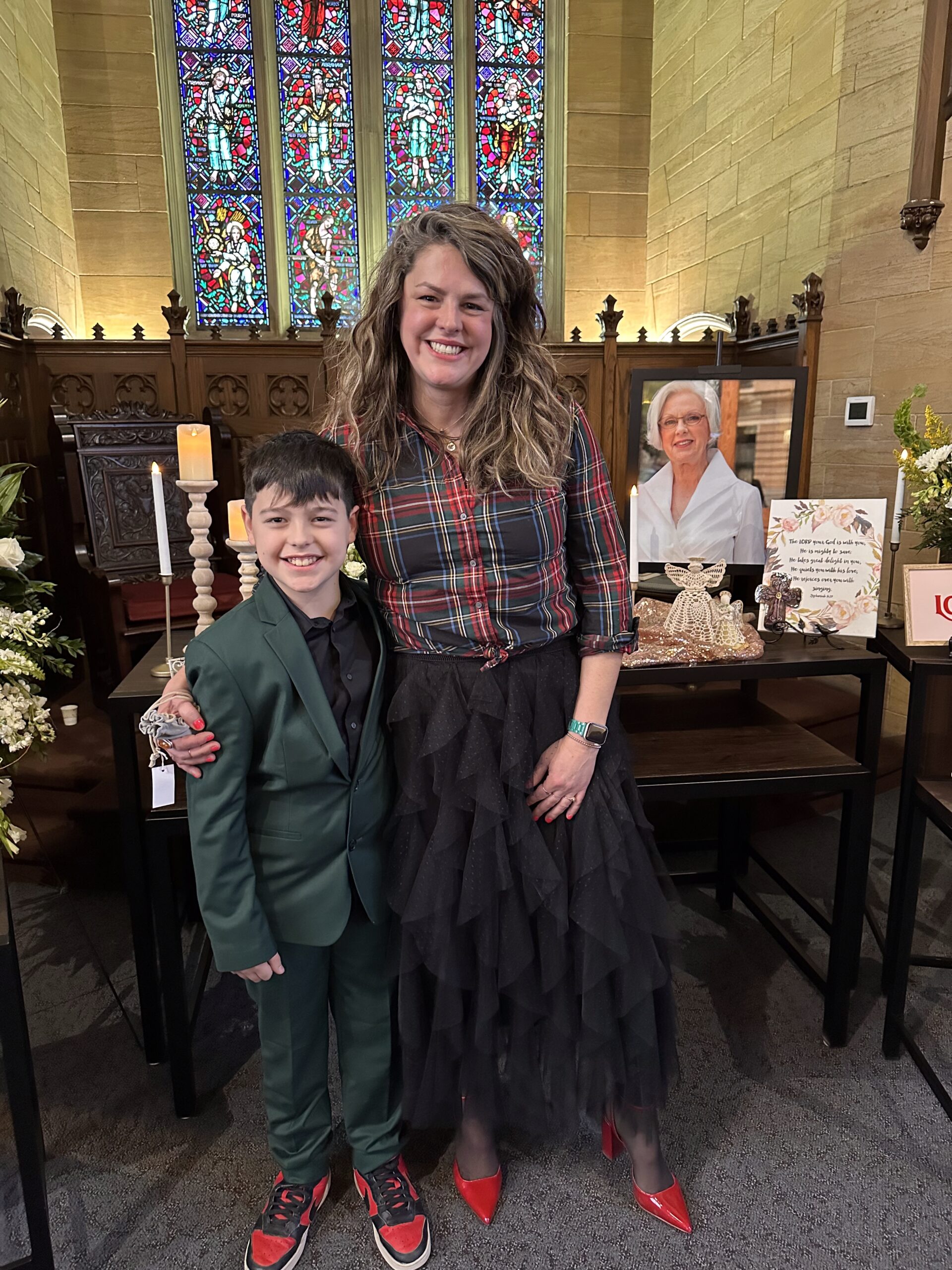
Jack has only ever known his Grandma Phyllis in a care setting. She said confusing things, but there was never confusion about Jack.
She lit up every time he came to read her a story, play a song on the piano, or share a few French fries out on the swing. Even through the fog of that terrible disease, her love for him shone bright and clear.
When everything changes
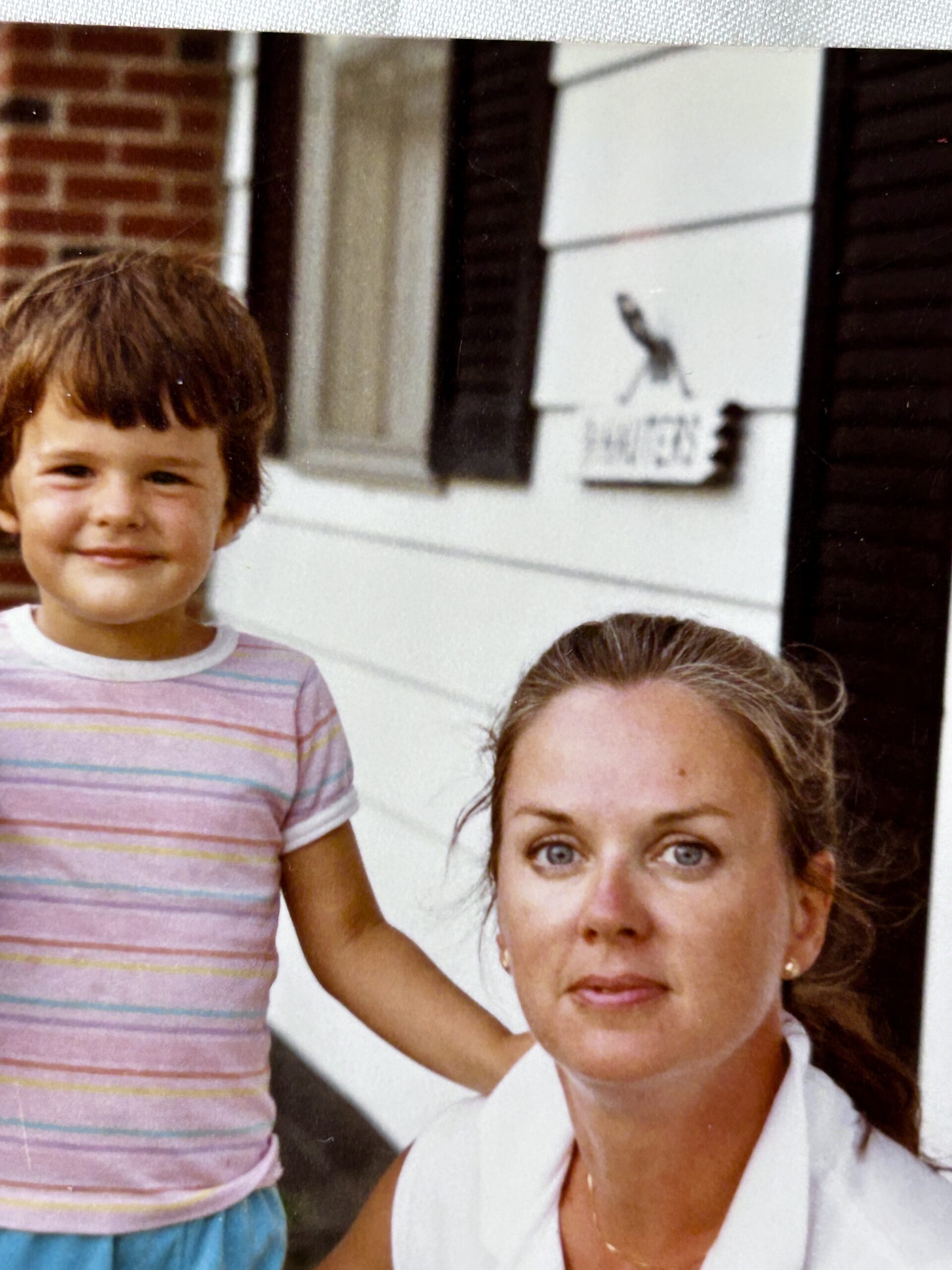
All my life, I watched my mom get ready each day, fixing her hair, putting on her makeup, even if she was only running to the store. She took pride in her appearance.
So watching that version of her fade was hard. Her look changed in ways that were painful to accept, not because she was any less beautiful or cared for, but because her needs had changed. It wasn’t about appearances anymore; it was about safety, comfort, and dignity.
In time, I realized that her beauty, her grace, and her strength were never in her makeup or her hairstyle. They were in the way she loved. The way she carried herself and the way she allowed me to walk beside her through her most vulnerable years.
Finding grace in the work of others
When diseases like dementia change our loved ones, we must change, too. We have to find grace for them, for ourselves, and for the people caring for them.
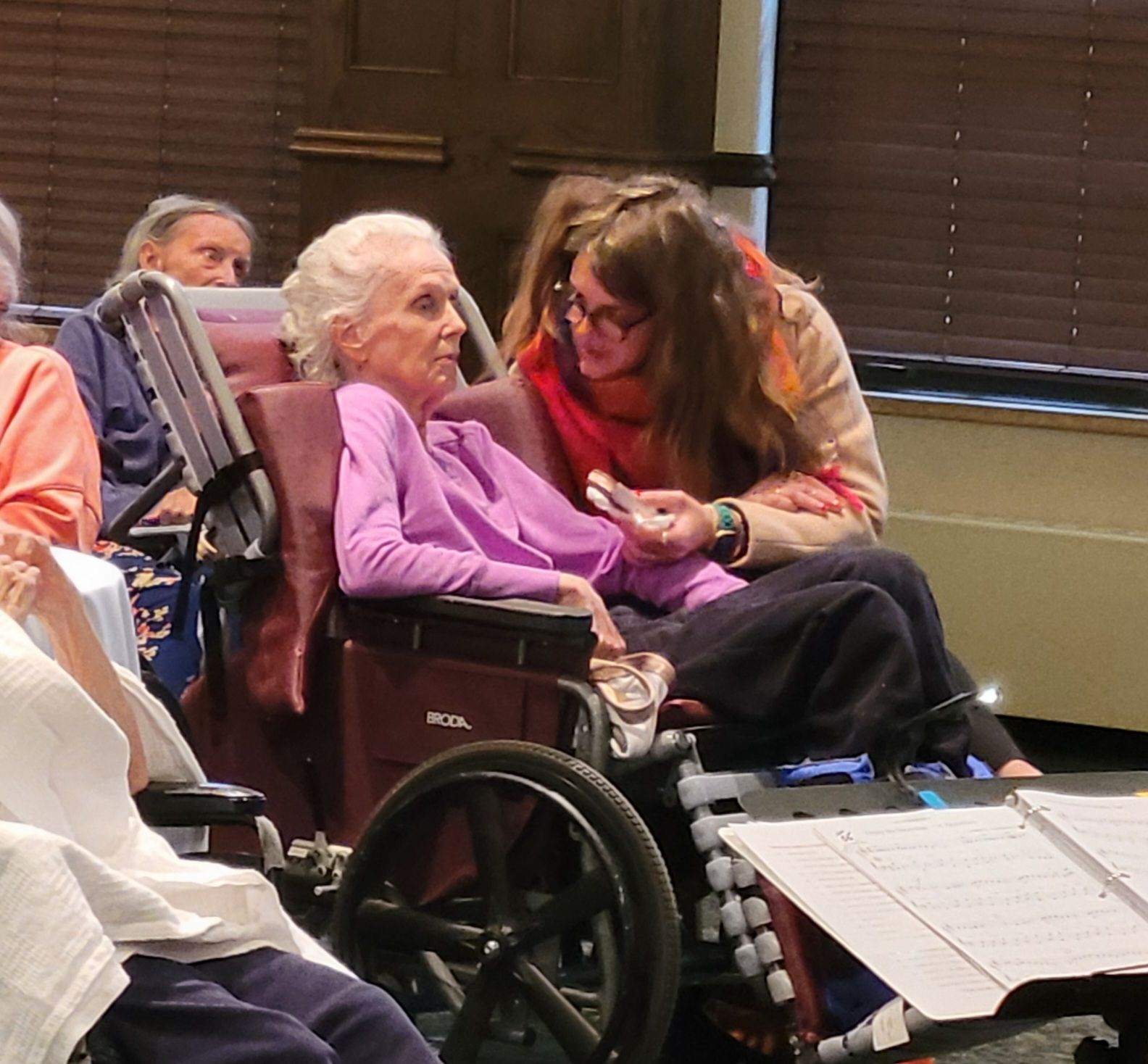
It’s easy to forget that we don’t always know the staff as well as we should. We see the staff in passing, exchange quick updates, and go about our day. But behind every uniform is a person, someone who carries the emotional weight of caring for people they grow to love.
I’m deeply humbled by the people who cared for my mom. When I learned to trust them, they could do what they do best: provide compassionate care. I felt it most clearly as I walked out on Christmas Eve.
My mom passed away the next morning, on Christmas Day.
They knew my name before I learned all of theirs. They knew Jack and always had a snack ready. They comforted me when I was exhausted and afraid. They hugged me as I left that night because they knew how important it was for me to spend Christmas morning with my son.
More than a facility
Care centers are more than buildings. They’re sanctuaries for people in their most vulnerable chapters, and humans power them. It’s not just nurses and aides, but cooks, housekeepers, maintenance staff, laundry, and staff in environmental services.
They’re the ones who remember how your loved one takes their coffee, who braids their hair, who sit quietly for a few minutes to make sure they don’t feel alone.
That’s not just care. That’s love in action.
Have grace
This is hard for families and for the people showing up every day to care for our loved ones. They don’t want to let us down. They carry our heartache along with their own.
See them. Thank them. Remember their humanity.
Because compassion doesn’t live in grand gestures, it lives in the quiet moments, the ones most people never see. And grace is what makes it all possible.