Could Existing Drugs like Viagra Treat Alzheimer’s Disease?

Scientists are analyzing troves of data from approved drugs to figure out if some of them could also treat Alzheimer’s.
At the start of the COVID-19 pandemic, scientists raced to find treatments for the SARS-CoV-2 virus. When they screened thousands of existing drugs to see if they interfered with the virus, an Ebola drug called remdesivir emerged as one of several antivirals worth further testing.
Clinical trials quickly followed, finding that remdesivir provided modest recovery benefits for high-risk and hospitalized patients, culminating in approval by the end of 2020.
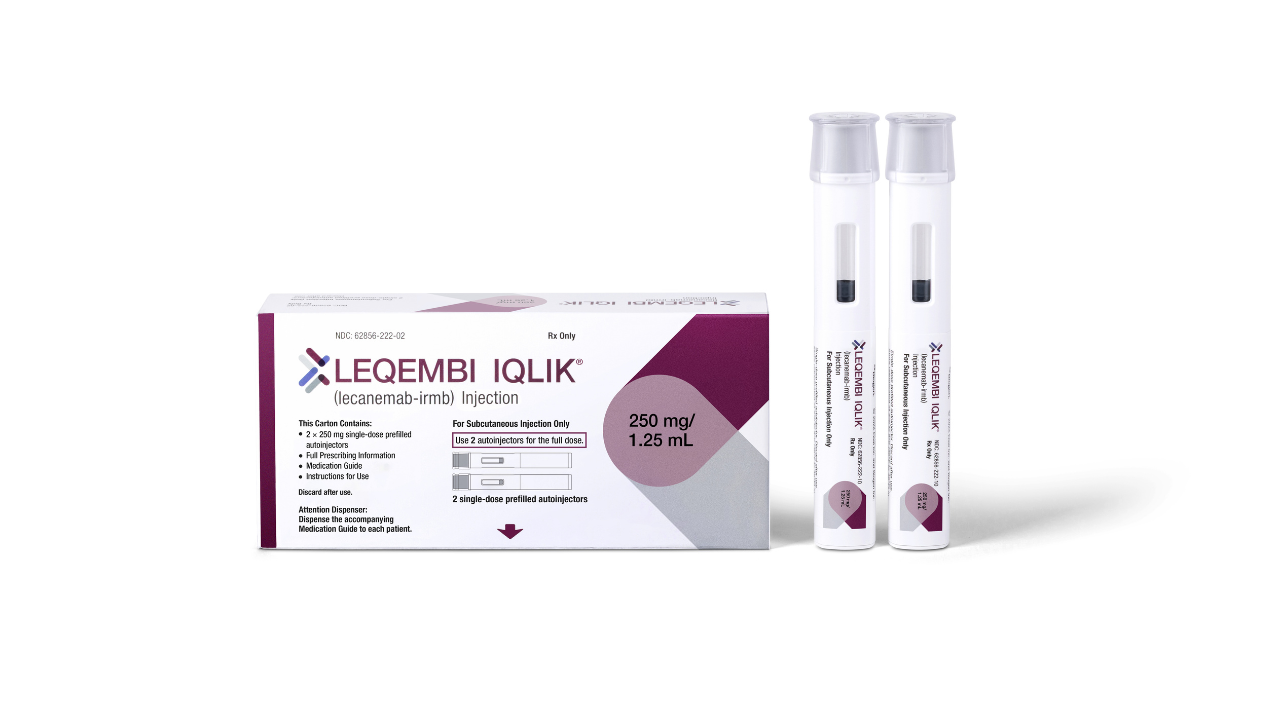
Neuroscientists are borrowing from the same playbook to accelerate the development of new Alzheimer’s treatments. Developing drugs from scratch often takes more than a decade and can cost billions. And in recent years, that’s only yielded two disease-modifying therapies for Alzheimer’s: Leqembi and Kisunla,.
With many experimental dementia drugs failing late in clinical trials, repurposing existing medications approved for other diseases provides another path toward finding new treatments. Because such drugs are already approved for other diseases, they have a well-established safety profile and can move straight to human trials.
In recent years, this strategy has yielded a diverse array of promising hits, from Viagra to rheumatoid arthritis drugs.
A closer look at leading candidates
A panel of international experts recently reviewed the evidence for 80 drugs with possible benefits in Alzheimer’s, zeroing in on the three best candidates: the shingles vaccine, sildenafil (the active ingredient in Viagra), and riluzole, a treatment for amyotrophic lateral sclerosis (ALS).
In 2025, researchers strengthened the case for the shingles vaccine Zostavax as a potential preventative and disease-modifying treatment. Zostavax is a live attenuated vaccine, meaning that it uses a weakened version of the shingles virus to trigger the immune system.
Epidemiological data from Australia, Wales, and Canada, suggests that getting the vaccine slashes the risk of dementia by up to 20 percent. Researchers are now seeking funding to run a clinical trial to confirm these benefits.
“At the population level, where millions of adults are eligible for shingles vaccination, such an effect could translate into a substantial number of dementia cases averted,” Sarah Ackley, an epidemiologist at Brown University, who wasn’t involved in the study, told Being Patient.
Sildenafil, the blue pill better known by its brand name Viagra, has garnered more interest from researchers and drug developers. In addition to lowering blood pressure, a major risk factor for Alzheimer’s, evidence from cells grown in a Petri dish and animal models suggests it may protect brain cells, reduce toxic tau tangles, and boost cognition. But in studies looking at electronic health records have produced mixed results, with some showing a lower risk and others finding no effect on Alzheimer’s.
South Korean drugmaker AriBio is now testing a similar drug called AR1001 in a large Phase 3 trial for slowing the earliest stages of Alzheimer’s, with results expected next year.
Meanwhile, riluzole, a drug developed to prolong survival in ALS through its broad neuroprotective activity, has shown some potential for treating Alzheimer’s in cells and animal models. A small six month trial of 50 people found that the drug hinted that it may provide a boost to the brain’s metabolism.
The expert panel recommended these three candidates are ideal for the PROTECT platform, an international trial network that tests drugs across the UK, Norway and Canada.
Integrating biology into drug repurposing algorithms
Other researchers are turning to machine learning to find plausible drug candidates. At Massachusetts General Hospital, neurologist Dr. Mark Albers and his team exposed lab-grown brain cells to 80 FDA-approved drugs and then analyzed how they changed which genes were activated or suppressed.
They fed the data into a machine learning algorithm called DRIAD (Drug Repurposing In AD), to predict which drugs are most likely to influence Alzheimer’s biology. The top hit, an immune system modulating rheumatoid arthritis drug called Olumiant (generic name: baricitinib), blocks the JAK protein to turn down inflammation.
The drug is now being tested in a small pilot trial to see if it affects Alzheimer’s biomarkers.
Too good to be true?
Despite promising evidence from animal and observational studies, a handful of repurposed drugs once considered promising — including non-steroidal anti-inflammatory drugs like ibuprofen and naproxen, the anti-herpes drug valacyclovir, and cholesterol-lowering statins — have failed to either slow cognitive decline or prevent the disease in clinical trials.
Most recently, Novo Nordisk’s GLP-1 blockbuster semaglutide failed to slow cognitive decline across two large Phase 3 studies despite altering some biomarkers of Alzheimer’s. Ackley said that many earlier studies that found that taking GLP-1s lowered dementia risk were biased because people taking the drug tended to be wealthier, healthier, and had better access to healthcare. In other words, the people with access to these drugs had other protective factors against dementia. And since Alzheimer’s develops over the course of decades, the fast benefits from these studies were another potential red flag.
“This suggested that the observational findings were likely influenced by preexisting differences, rather than the drugs themselves,” Ackley said.
Still, the promise of repurposed drugs is alluring. With a well established safety profile, these drugs can reach clinical trials faster—and, if successful, could provide another new treatment for Alzheimer’s.