Shingles Vaccine Linked to Lower Dementia Risk — What to Know
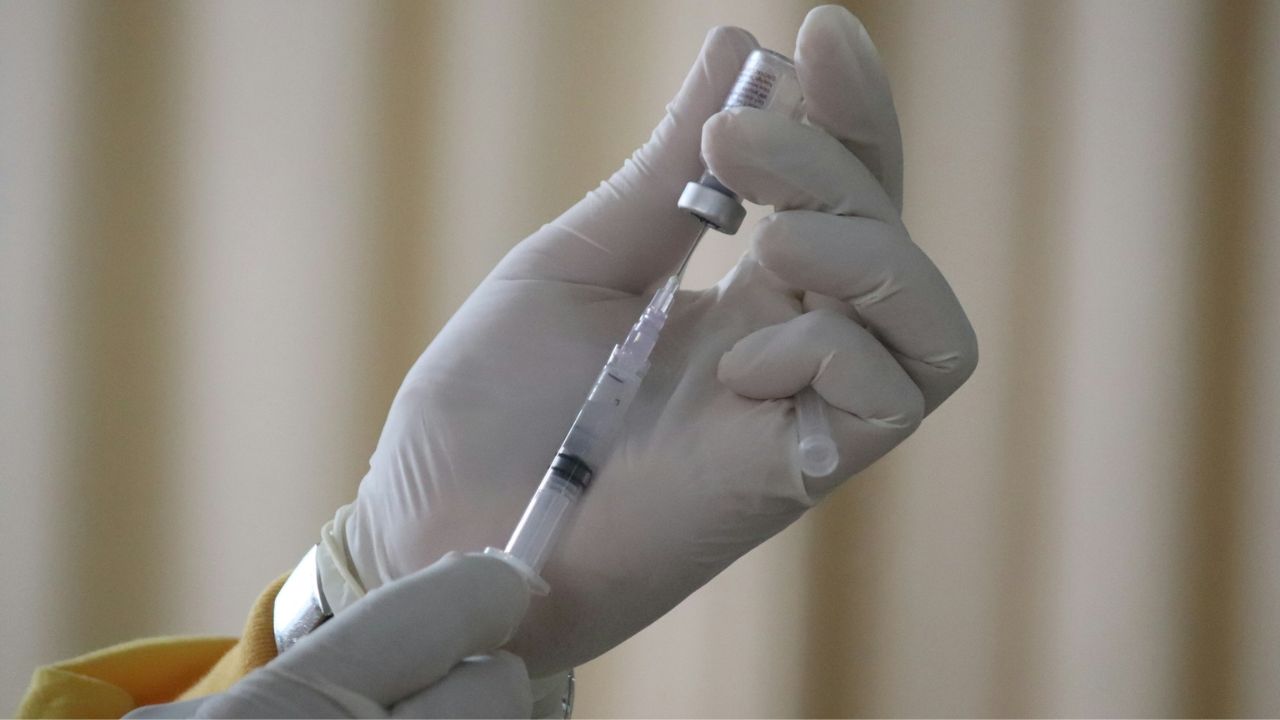
In a new study, the vaccine was tied to lower risk of MCI and dementia-related death, hinting it may influence disease progression.
Vaccines against infectious diseases — like tuberculosis, diphtheria, flu, COVID, and shingles — appear to have the unexpected benefit of lowering dementia risk. While most of the evidence comes from electronic health records, researchers taking advantage of a unique rollout of the shingles vaccine found stronger proof of the link.
Pascal Geldsetzer, an epidemiologist at Stanford University, previously found that the a shingles vaccine using a weakened form of the virus cut dementia risk by 20 percent over seven years. His new research shows it may also protect against mild cognitive impairment — sometimes a precursor to dementia — and slows dementia progression. These findings were presented at the 2025 Clinical Trials on Alzheimer’s Disease and published simultaneously in the journal Cell.
“At the individual level, the effect size is modest, which is not surprising for such a complex disease and a single, one-time intervention,” Sarah Ackley, an epidemiologist at Brown University, who wasn’t involved in the study, told Being Patient. “At the population level, where millions of adults are eligible for shingles vaccination, such an effect could translate into a substantial number of dementia cases averted.”
Natural experiments strengthen the evidence
Many drugs that appear to protect against dementia in observational studies fail in clinical trials, as was recently the case with the GLP-1 drug semaglutide. Often the people receiving drugs or vaccines are different from the general population in terms of their overall health and behaviors.
“The reality is that we cannot always conduct the randomized trials we ideally want, but it is also difficult to adequately control for all relevant factors,” Ackley said. The unique shingles vaccine rollout in the U.K a dozen years ago, coupled with the analysis by Geldsetzer “can help bridge the gap,” she said.
On Sept. 1, 2013, Wales rolled out the Zostavax vaccine for shingles, which used a weakened form of the Herpes zoster virus, called “a live-attenuated vaccine.” It came with strict age requirements to ration the supply, setting up a “natural experiment.”
Anyone who was 79 at the time would be eligible to receive the shingles vaccine for a year. Those who had turned 80 before the rollout remained ineligible.
The researchers examined the health records of more than 280,000 adults aged 71 to 88 years to assess the impact of the vaccine in Wales. They focused on 16,595 adults who turned 80 the week before Sept. 1 and those who turned 80 the week after. Only the latter group was eligible to receive the vaccine, and almost half of them received the vaccine.
In older adults with no prior dementia diagnosis, the shingles vaccine was associated with a 3.1 percentage point drop in new cases of mild cognitive impairment over nine years, equal to a 42 percent lower relative risk compared to unvaccinated people. Meanwhile, for those who had dementia, the vaccine was linked to a 29.5 percentage drop in mortality, equal to a 60 percent relative risk reduction. The effects were more prominent in women.
This isn’t a one-off fluke. Researchers using similar techniques have found the shingles vaccine also reduces dementia risk in Australia. A forthcoming study authored by Geldsetzer’s team that will soon be published in Lancet Neurology found a similar effect in Ontario, one of Canada’s most populous provinces.
Since the only difference between the vaccinated and unvaccinated individuals was a tiny difference in age, Geldsetzer told Being Patient that “we’re much more confident that what we’re getting here is true cause and effect.”
For Ackley, who had previously been skeptical about the link between shingles vaccination and Alzheimer’s, these findings are compelling. “I’m more convinced now that there are real cognitive benefits associated with shingles vaccination” because the techniques “Geldsetzer’s team are employing are that strong,” she wrote over email.
Is targeting the virus that causes shingles a way to slow dementia?
Based on the data, Geldsetzer thinks that the shingles vaccine looks like it might be a disease-modifying therapy for dementia.
But there are some caveats — the study only looked at vaccination at age 80, and with a specific version of the vaccine that uses a weakened virus that is no longer commercially available. It also isn’t clear if the effect is specific to fighting off the shingles virus or the broader impact it has on the immune system.
For Ackley, the success of the shingles vaccine in these studies raises questions over why treatment with antiviral drugs, like valacyclovir, which would also target this virus have been unsuccessful in clinical trials.
Are clinical trials on the horizon?
To get a clearer answer, Geldsetzer is hoping to raise funding for a definitive clinical trial.
Because people with shingles develop painful rashes, nerve pain, and other neurological complications, vaccination is recommended by the U.S. Centers for Disease Control and Prevention and many other health agencies, raising ethical issues with running a placebo-controlled trial.
“There are many countries in Europe, where shingles vaccination uptake is essentially zero among older adults,” Geldsetzer said. “I think in these countries, it’s entirely ethical to conduct placebo-controlled trials.”
In the meantime, he said, the study adds another reason for older adults to get vaccinated.