Targeting ApoE4: A New Path in Alzheimer’s Research
Long known as the strongest genetic risk factor for late-onset Alzheimer’s, ApoE4 is now the focus of therapies aimed at addressing the disease at its roots.
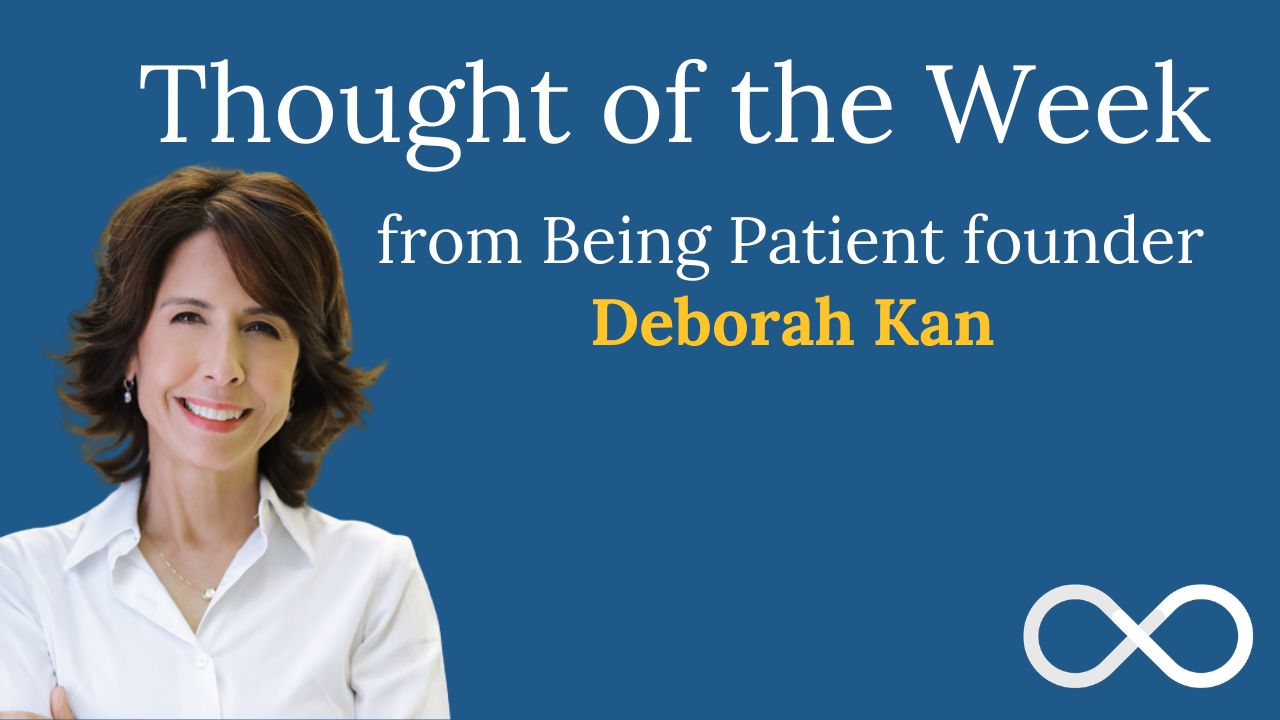
Deborah Kan is an award-winning journalist and founder of Being Patient. In this “Thought of the Week” column each Friday, she highlights one of the key stories shaping the future of brain science.
Dear readers,
The ApoE4 gene is the strongest known genetic risk factor for late-onset Alzheimer’s. One copy raises your risk roughly threefold. Two copies, around twelvefold. For years, it’s been a data point without a clear path forward.
But that may be changing.
As Being Patient reported this week, researchers are now developing therapies that target ApoE4 directly, correcting the protein’s structure, reducing its harmful effects, and even exploring ways to modify the gene itself.
This matters because ApoE4 sits upstream of so much of what we’ve spent decades trying to treat: inflammation, cholesterol transport, and the brain’s ability to clear toxic proteins like amyloid and tau. In many ways, we’ve been treating downstream consequences when maybe ApoE4 can unlock some of the mystery of both prevention and treatment.
What makes this moment feel significant to me is that it represents a shift in thinking. If we can understand, and potentially correct, what ApoE4 is doing at the root, we’re not just adding another treatment to the pipeline. We’re asking a more fundamental question: What is actually driving this disease, and in whom?
For genetic carriers, that question is no longer purely theoretical. It’s becoming something closer to a roadmap.
With hope,
Deborah