Parkinson’s Disease and the Environmental Risks Researchers Are Watching
Evidence linking environmental toxins to Parkinson’s disease is growing. Experts explain what people can do now to lower exposure.
Parkinson’s disease is one of the most common neurodegenerative diseases and cases are rising. A study published in The BMJ projected that by 2050, over 25 million people will be living with Parkinson’s — a 112 percent increase from 2021.
Parkinson’s is often framed as a result of aging or genetics, but some research suggests only a minority of cases are explained by known inherited factors, leading researchers to look more closely at environmental exposures.
“I think this is a great myth — that these diseases are natural consequences of aging,” Dr. Ray Dorsey, professor of neurology at the University of Rochester, told Being Patient. “I was taught that Parkinson’s disease was due to aging, bad genes, and bad luck. I don’t think that’s the case for the vast majority of people.”
A 2024 study that genetically screened more than 8,000 people with Parkinson’s found that only about 13 percent carried a Parkinson’s-related genetic variant. That means, Dorsey explained, that “87 percent of Americans with Parkinson’s disease have no known genetic cause or risk factor.”
Epidemiological research links environmental toxins such as pesticides and air pollution to an increased risk of Parkinson’s. Because some of these exposures may be preventable, researchers say reducing harmful chemical exposures and pollution could help lower risk for some people.
Environmental Risks
Pesticides, air pollution, and the industrial solvent trichloroethylene are among common environmental toxicants researchers are studying as possible contributors to Parkinson’s disease. Some research suggests these may damage mitochondria, the energy-producing structures inside cells, in ways that can harm dopamine-producing neurons.
Because these toxicants can enter the body through the air people breathe and the food they eat, some researchers believe at least part of the risk may be preventable.
Researchers remain cautious about drawing a direct causal link between pesticides and Parkinson’s disease, even as the evidence continues to build. More than 50 studies over the past four decades have explored the connection, and while the findings have been mixed, the overall body of research suggests that exposure to certain pesticides may increase risk.
But some experts caution that the evidence is not strong enough to conclude that pesticides directly cause the disease. Instead, pesticide exposure may be one contributing factor for some people.
“I cannot think of any convincing case where a particular exposure categorically caused Parkinson’s disease,” Alastair Noyce, professor in neurology and neuroepidemiology at Queen Mary University of London, told Being Patient.
“The associations arise from studying at a population level — people exposed are at slightly higher risk than those who were unexposed,” he said. “On the other hand, there are gene mutations which can cause Parkinson’s by themselves.”
Pesticides
Among environmental toxicants, pesticides have the strongest evidence linking them to Parkinson’s disease. “Exposure to certain pesticides has the strongest evidence for causal links to PD,” said Dr. Jeff Bronstein, a UCLA neurologist specializing in movement disorders.
He pointed to several pesticides in particular — including rotenone, paraquat, chlorpyrifos, ziram and benomyl — saying the evidence linking exposure to them to Parkinson’s disease is especially strong, citing epidemiological evidence, animal studies, and increasingly well-understood mechanisms of toxicity.
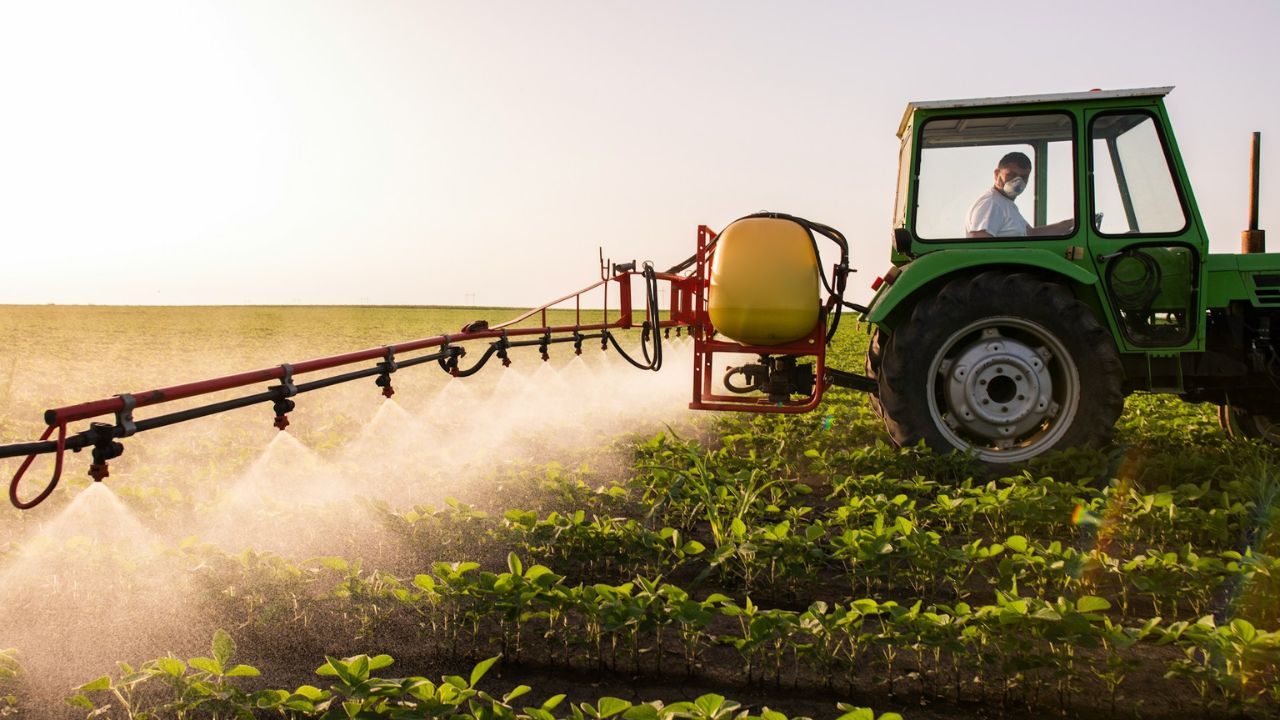
A 2011 study of people who applied pesticides to crops and their spouses in Iowa and North Carolina found that people who had ever used two widely studied pesticides, paraquat and rotenone, had 2.5 times the odds of Parkinson’s disease compared with those who never used them.
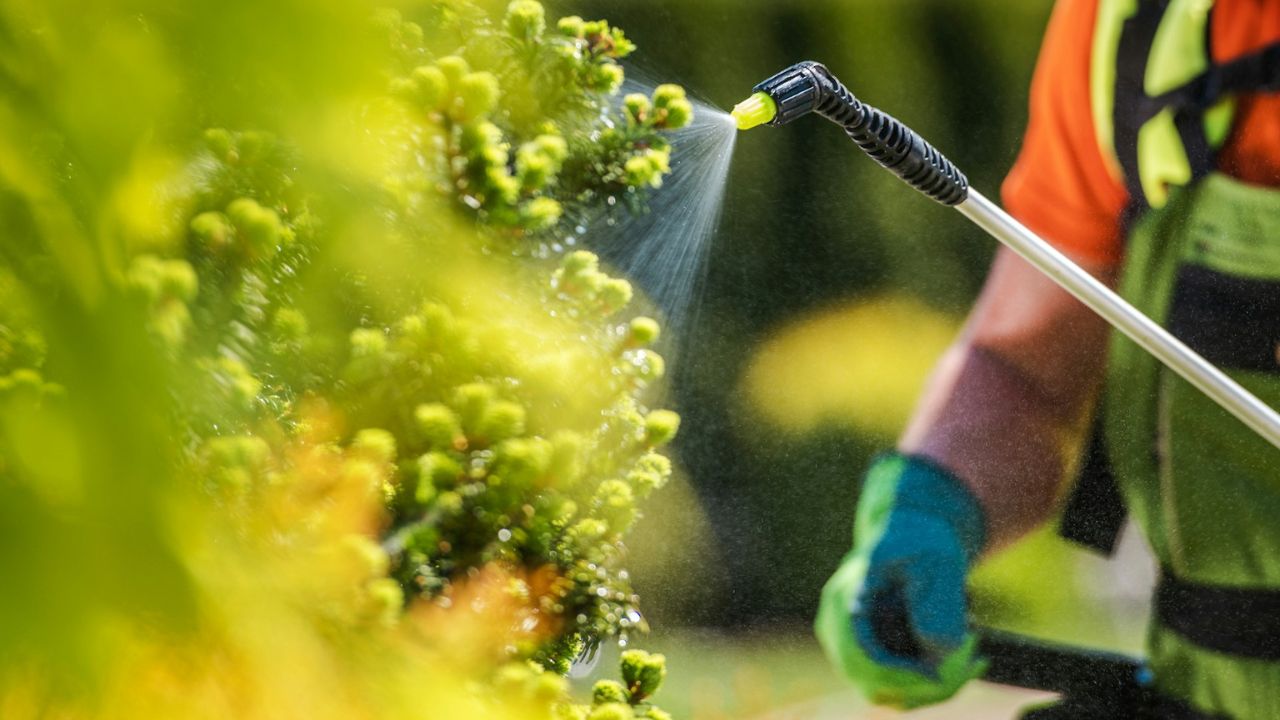
Paraquat is an herbicide used to kill weeds and grasses and is widely used in the United States today. Because it is highly toxic, the U.S. classifies paraquat as a restricted-use pesticide, meaning it can only be applied by licensed, trained applicators, and it is not approved for homeowner/residential use.
A 2023 population-based study in California’s Central Valley, researchers found that people who worked near paraquat applications every year since 1974 were about twice as likely to have Parkinson’s disease.
“Over 70 countries, including China, have banned it, but the United States has not,” said Dorsey. “The U.S. continues to spray a weed killer that China has banned on cornfields, soybean fields, cotton fields, and vineyards throughout the United States.”
He cited reporting from The Guardian that documented that paraquat use has tripled in the last eight years.
On March 3, Syngenta, the company behind the paraquat-based weedkiller Gramoxone, announced plans to phase out production of paraquat by the end of June. The decision follows lawsuits alleging that the company failed to warn consumers about the risks associated with Gramoxone, though Syngenta did not mention the litigation when announcing the discontinuation of paraquat.
Trichloroethylene
Trichloroethylene, or TCE, is an industrial solvent used in applications including metal degreasing and dry cleaning that researchers increasingly see as a possible contributor to Parkinson’s disease.
Noyce said while pesticides, such as paraquat, present the strongest evidence linking environmental exposures to Parkinson’s disease, there is also “some evidence for organic solvents and air pollution as true environmental factors.”
In a 2024 review titled “Parkinson’s Disease Is Predominantly an Environmental Disease,” published in the Journal of Parkinson’s Disease, the authors pointed to a growing body of research linking TCE exposure to Parkinson’s disease. The review’s authors say TCE may contribute to Parkinson’s by damaging mitochondria.
The review notes that perchloroethylene, or PCE, is a closely related chemical to trichloroethylene. It is also used in dry cleaning and metal degreasing and likely has similar toxicity, raising concerns that it, too, may contribute to Parkinson’s risk.
In December 2024, The U.S. Environmental Protection Agency (EPA) ruled under the Toxic Substances Control Act to ban all uses of TCE over time and to ban all consumer uses and many commercial uses of PCE.
EPA said both chemicals pose serious health risks, including cancer. Most TCE uses are set to be eliminated within a year, though some workplace uses will phase out more gradually under strict protections. For PCE, the agency finalized a 10-year phaseout for dry cleaning and restrictions on many other uses.
Air pollution
Air pollution is increasingly being studied as another possible environmental contributor to Parkinson’s disease.
In the 2024 review titled “Parkinson’s Disease Is Predominantly an Environmental Disease,” the authors point to studies from Denmark, Taiwan, and South Korea that linked traffic-related air pollution to a higher risk of Parkinson’s. They note that one possible culprit is particulate matter — tiny particles of dirt, soot, and other pollutants that can be inhaled and may carry toxic metals from cars and industry.
The review also cites animal research showing that fine particulate matter can cause mitochondrial dysfunction and promote the buildup of alpha-synuclein, a protein closely tied to Parkinson’s disease.
The authors add that these particles may enter the body through the nose and reach the olfactory bulb, offering one possible pathway by which air pollution could affect the brain.
Bronstein said that while air pollution and solvents are also concerning, the case for pesticides as a risk factor for Parkinson’s is more developed. “There is good association data for air pollution, but the animal studies and mechanism are still being worked out, so a causal link is yet to be firmly established but is likely,” he said.
Solvents, he added, also have “good animal studies” and some epidemiological support, making the evidence “fairly strong” for both air pollution and solvents “but not to the level of pesticides yet.”
What can you do to reduce risk?
“The highest exposure to pesticides is during application,” Bronstein said, so he recommends avoiding their use in gardens and in the home when possible, wearing proper protective equipment if they must be used, washing produce well, and avoiding solvents and air pollution as much as possible.
He also recommends buying organic versions of produce on the “dirty dozen” list when possible, or at minimum washing fruits and vegetables thoroughly.
When it comes to broader environmental exposure, Bronstein acknowledged that people cannot control everything, but said reducing risk where feasible is still worthwhile. “I believe risk is additive,” he said. “It is not an all or none proposition. Just do your best.”
For people living in areas with poor air quality, Bronstein said the evidence for specific protective steps is still evolving, but some measures may still help.
“It is difficult to know how much a good an air purifier with HEPA filter helps reduce risk, but it might,” he said, adding that he would also keep windows closed on bad air-quality days.
He also said water filters with a charcoal component may remove some toxicants, including certain heavy metals.
Dorsey recommends several practical ways to reduce everyday environmental exposures. He advises buying organic fruits and vegetables when possible and washing produce thoroughly before eating.
For people who rely on well water, he recommends testing it for pesticides and industrial chemicals and using a water filter if contaminants are found.
When it comes to dry cleaning, Dorsey recommends choosing a “green” cleaner that does not use PCE.
Bronstein said,“The individual risk depends on many things including a person’s genetic background, lifestyle, and exposures.”
He emphasized that many risks are modifiable and that toxicant avoidance is only one part of the picture. “Regular exercise, a healthy diet, and a good night sleep can markedly reduce risk,” he said. “Avoiding toxicant exposures also can help.”
What can you do if you already have Parkinson’s?
For people already living with Parkinson’s, Dorsey highlighted three priorities. First, he urged them to reduce avoidable exposure to toxicants. Studies suggest that Parkinson’s patients exposed to high levels of pesticides may experience faster disease progression across multiple measures, and that higher exposure to air pollution is linked to a greater risk of hospitalization.
Second, he emphasized exercise, recommending vigorous activity that’s intense enough to make you sweat. Researchers believe exercise may stimulate growth factors in the brain and support repair processes that could help stressed or damaged nerve cells.
Third, he stressed the importance of high-quality medical care, ideally from a specialist.
A 2011 study led by Dr. Allison W. Willis found that patients who don’t receive neurologist care face higher risks of serious complications, including hip fractures, nursing facility placement, and death.
“Good care makes a difference,” Dorsey said. “In the United States, less than one out of every 10 individuals with Parkinson’s see a Parkinson’s specialist.”