Syngenta Halts Production on Controversial Pesticide Linked to Parkinson’s
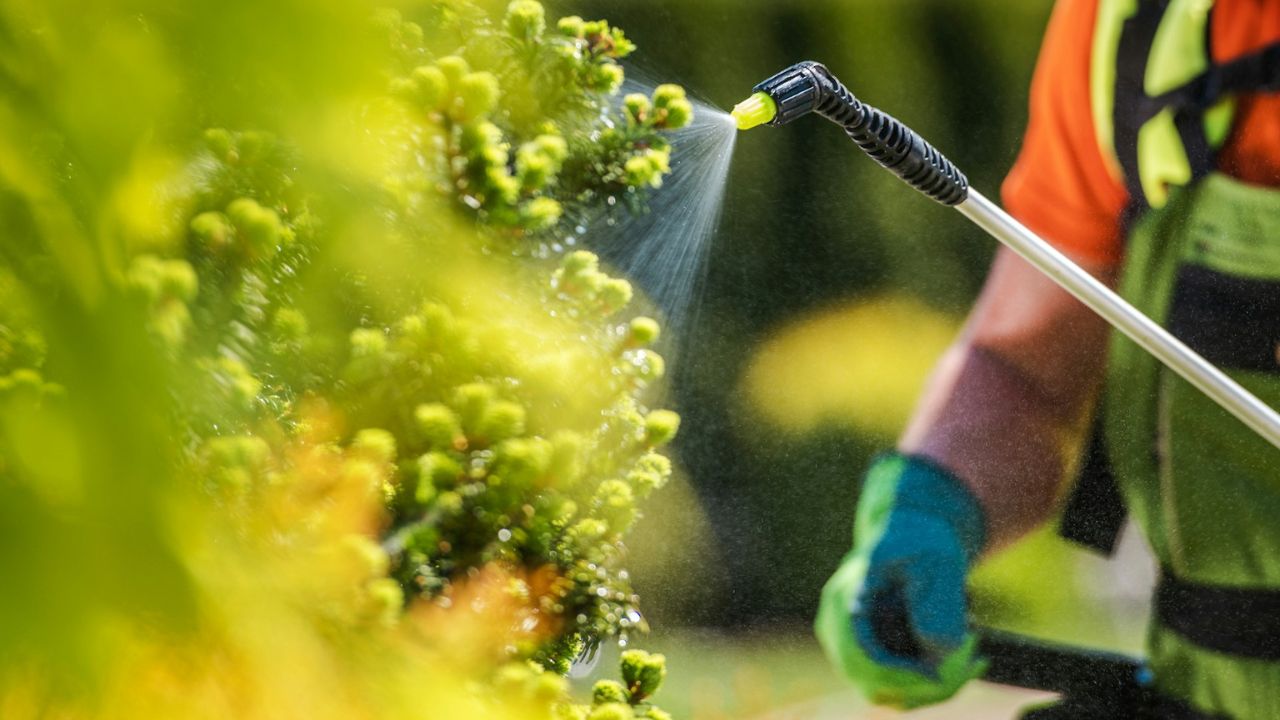
After thousands brought lawsuits against Syngenta, alleging a link between its pesticide paraquat and Parkinson’s, the company announced it will stop production by the end of June.
Thousands of U.S. farmers and agricultural workers who developed Parkinson’s believe that long-term pesticide exposure may have played a role. Many have sued the Switzerland-based agricultural giant Syngenta, alleging it failed to warn Americans about the dangers of its blockbuster weedkiller Gramoxone, which contains the pesticide paraquat. So far, the company has settled all of its cases, including one in January 2026, before any reached trial.
On March 3, the company announced it will stop producing paraquat by the end of June. The company did not mention the lawsuits in the announcement of the decision but cited low sales and competition from generic producers. It also reaffirmed that “paraquat is safe when used in line with registered label instructions.”
In parallel to the legal battles, the science of Parkinson’s has evolved in recent decades, strengthening the evidence that pesticides might be involved. Parkinson’s is the second most common neurodegenerative disease after Alzheimer’s.
The disease involves cell death of dopamine-producing neurons in the brain, leading to problems refining motor movement, balance, and posture. In many cases, the disease may progress to a form of Lewy body dementia, which leads to cognitive and behavioral changes.
“The evidence linking pesticide exposure to Parkinson’s is strong and consistent, especially across large population studies and careful reviews,” Dr. Michael Okun, author of the New York Times best-selling book, The Parkinson’s Plan, and medical advisor for the Parkinson’s Foundation told Being Patient.
“It does not prove every individual case,” he added, “however the signal is real enough that clinicians, scientists and the public should take it seriously.”
Can pesticides cause Parkinson’s?
For decades, neurologists have documented links between environmental chemical exposures and Parkinson’s. The research evolved from individual medical case reports to more careful examinations of risk among those most exposed to these chemicals.
One of the earliest cases appeared in a medical journal in 1969. A German doctor wrote about a 59-year old man who developed a Parkinson’s-like disease after 30 years of working with an industrial solvent called trichloroethylene (TCE). Nearly 20 years later, a Canadian study found higher Parkinson’s rates in areas with the most pesticide use. Another study a decade later looked at farmers and found they had a 170 percent higher risk, which increased with greater levels of exposure.
Dozens of studies examining the link have been published, strengthening the case. A case-control study published in 2025 matched people with Parkinson’s to healthy individuals, finding that those exposed to a class of pesticides called chlorpyrifos were about 2.5 times more likely to develop Parkinson’s. In animal models, these pesticides damage dopamine-producing cells in the brain and reproduce Parkinson’s-like motor symptoms.
Despite the accumulating evidence, researchers are still cautious about claiming that pesticides cause Parkinson’s. Many animal and cell experiments use doses far higher than typical human exposures, while human studies still struggle to accurately measure lifetime pesticide exposure or identify a clear tipping point for the disease onset.
“The evidence is strongest for a few usual suspects, particularly paraquat and TCE,” Okun said. For those chemicals there is a convergence of observational studies from humans, evidence of a dose-response pattern where more exposure is linked to higher risk, and plausibility that these chemicals can cause Parkinson’s-like symptoms in experimental models, he said.
Genetics also seem to mediate the effects of pesticide exposure. “Many genetic variants seem to affect detoxification, mitochondria, and inflammation,” Okun said. “These variants appear to make some folks more vulnerable when pesticide exposure is added to the mix.”
On its website, Syngenta writes that it “rejects the claims of a causal link between paraquat and Parkinson’s disease because it is not supported by scientific evidence,” claiming that some of the studies finding a link were sponsored by litigation against the company.
According to internal corporate files obtained by the New Lede and the Guardian, the company was aware of research linking their pesticide to Parkinson’s for decades and sought to influence research and public opinion.
Does the evidence warrant changes in public policy?
As more Parkinson’s experts acknowledge the role of environmental factors as drivers of risk, some like Okun, argue that the evidence is sufficient to take action.
France, Italy, and Germany officially recognize occupational exposure to pesticides as a potential cause and risk factor for Parkinson’s in agricultural workers, though not in the general population.
“The level of the current evidence supports precautionary policy that can reduce exposure, especially for high-risk workers and communities,” said Okun. “We can protect public health while the science continues to sharpen, and we should not wait for perfect certainty to act.”
In the U.S., multiple states have introduced legislation to ban paraquat. “If this is true, then fewer people are going to develop Parkinson’s disease in the future,” Ray Dorsey, a neurologist and director of the Atria Research Institute’s Center for the Brain and the Environment, a non-profit research initiative investigating the environmental causes of brain diseases told the Guardian.