High Blood Pressure’s Early Effects on the Brain and Memory

New research suggests hypertension may trigger early brain changes before blood pressure rises. Dr. Costantino Iadecola explains what it could mean for memory.
High blood pressure is one of the most common and treatable risk factors for cognitive decline, and researchers are still working to understand exactly how it affects the brain. A preclinical study from Weill Cornell Medicine, published in Neuron, suggests hypertension may trigger early gene expression changes in the brain, affecting neurons, blood vessels, and white matter before there’s any measurable rise in blood pressure.
Dr. Costantino Iadecola, the study’s senior author, is a neurologist and the director of the Feil Family Brain and Mind Research Institute at Weill Cornell Medicine. His research examines how brain blood vessels support cognition and what happens when that system is disrupted by vascular risk factors like hypertension.
In this interview with Being Patient’s Mark Niu, Iadecola explains that in a controlled mouse model, researchers saw changes in blood vessels within days of triggering hypertension. He notes that high blood pressure is part of a broader process that can quietly affect multiple organs, including the brain, before obvious symptoms appear. He also discusses why controlling blood pressure dramatically reduces stroke risk but may not lower dementia risk as much as hoped, suggesting prevention may need to start earlier and be more individualized. For now, he emphasizes improving diet, staying active, and taking medication when appropriate to manage blood pressure.
Being Patient: What’s the main takeaway from this study?
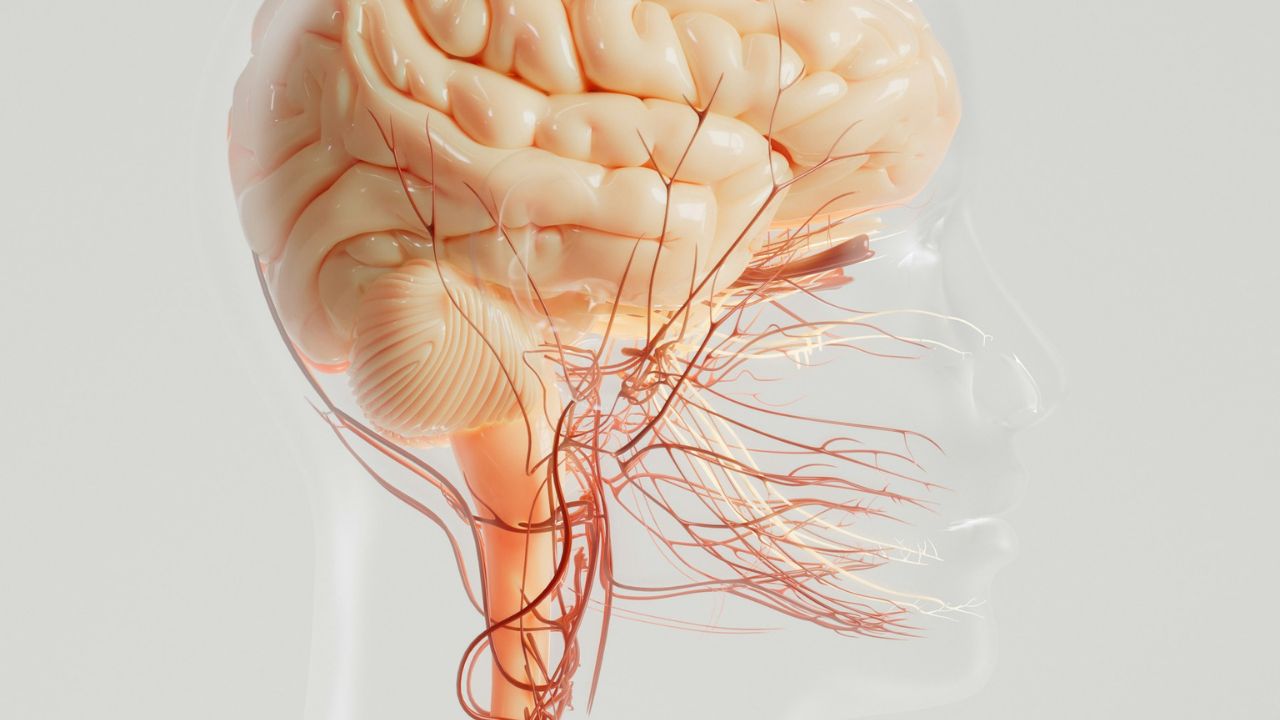
Dr. Costantino Iadecola: Our study showed that the effect of hypertension on the brain occurs earlier than previously believed. Within a few days of elevating the blood pressure, you can already see a reactivity of the blood vessels themselves and, surprisingly, the neurons, which are somewhat removed from the blood vessels, also start to experience a problem, as well as the white matter of the brain.
The white matter is the connecting wires between the different regions of the brain that allow us to know what the right hand is doing versus the left and to coordinate our thinking, as well as our motor activity. So these wires, these connecting wires, are also affected very early after [heightened] blood pressure.
And this is eventually going to have an impact on the way the brain works and the way the network of the brain, the linking, all the different functions. And this regulation of these networks is at the basis of what we call cognitive impairment.
Being Patient: Tell us about the study, how you conducted it and how it all works.
Iadecola: This was conducted in a mouse model of high blood pressure, where high blood pressure was induced using a substance, which is also responsible for human hypertension. It’s essentially like mimicking what goes on in the body in a very controlled way, in which we could monitor all the changes occurring at the molecular level — what kind of signals the brain experiences when this blood pressure is induced using this agent, which is also very relevant to human hypertension.
What we found was that within the first three days of the blood pressure going up, even before you could have a clear elevation in blood pressure, you could already see the brain responding to this challenge. And this response, again, affected all the major players which are responsible for cognitive function in the brain.
Being Patient: It’s happening early. What does that mean? How early are we talking about?
Iadecola: Obviously, it’s hard to make a human correlation — but certainly when the brain experiences the first effects of high blood pressure, even before you can detect it by measuring your blood pressure, you could already see something happening in the brain.
So this means that the blood pressure elevation is what we call a biomarker of the process of hypertension, which is a metabolic process that affects the entire body and then manifests itself with the elevation in blood pressure. But the elevation in blood pressure is not the whole story. There is other stuff going on that is contributing to the effects of hypertension on the brain.
Now, the major organs affected by high blood pressure: the brain, the heart, and the kidney. People who have high blood pressure experience kidney failure, experience heart failure, and heart attacks. And in the brain, they experience stroke and dementia. So those are kind of the effects that hypertension has on the body. The cardiologists look at the heart, the nephrologist looks at the kidney, and the neurologist looks at the brain. But you have to think about it as essentially a multi-organ being affected by this elevation in blood pressure, which highlights the fact that it’s really something affecting the entire body that manifests itself with increasing blood pressure as you measure it with a blood pressure cuff. But there is a lot of stuff going on that is silent and that is reflected in the failure of these organs — the brain being one of the major, most consequential, obviously, for cognition and activity of daily living.
“Within a few days of elevating the blood pressure, you can already see a reactivity of the blood vessels themselves and, surprisingly, the neurons… also start to experience a problem, as well as the white matter of the brain.”
Being Patient: Now, you have other studies related to the effects on the brain, too. Tell me what those revealed.
Iadecola: Those studies are all directed at the fact that what seems to happen when you induce hypertension, the brain vessels, the stuff that brings the blood to the brain, immediately stop reacting normally. And now the brain really needs this blood flow, because the blood flow brings oxygen and glucose to the brain. What we breathe through the air is oxygen. And then through the lungs, this oxygen is transported into the blood. And then the blood brings it all over the place, including the brain. And so one of the things that high blood pressure does is impair the ability of these vessels to actually bring the blood to the brain.
That is why one of the complications for high blood pressure is stroke. So it’s an acute interruption of the blood flow to the brain that is so sustained in time, so prolonged, that the brain cannot live throughout that period and ends up dying. A stroke is essentially the brain death of a piece of brain supplied by a certain blood vessel that brings the blood, oxygen, and glucose to the brain. So that’s kind of one of the aspects we’ve been studying over the years.
And then the question that we addressed in this most recent paper is: How do the neurons, the brain cells that are responsible for thinking and movement and so on, respond to high blood pressure? And we discovered this kind of very early interaction that we did not understand before, that was possible. Even before the blood pressure really starts to go up to a level that may be detrimental to the blood vessels — you already have the neurons starting to suffer from it, which is, I think, very important for the preventive impact of diminishing the impact of blood pressure.
Being Patient: And do these findings, do you believe, relate to Alzheimer’s and possibly vascular dementia?
Iadecola: Hypertension is essentially the major risk factor for vascular dementia. Perhaps I should give a brief introduction of what dementia is. Dementia means being unable to perform activities of daily living, of things we do normally, like orientation, speaking, talking, memory, interacting with other individuals. When these things fail, we call them dementia.
There are many, many causes of dementia. For example, Alzheimer’s is a cause of dementia. Hypertension causes vascular dementia, which is another kind of dementia caused mainly by the blood vessels. Now, Alzheimer’s is a disease in which there is accumulation of proteins in the brain, so-called amyloid plaques, neurofibrillary tangles called tau, that are responsible for the loss of cognitive function and memory and so on.
In the case of vascular dementia, the problem is that the blood vessels of the brain do not deliver sufficient blood. A certain area of the brain starts to suffer. And they do not have a stroke, right? It’s not like there is damage to a big piece of brain, but there is micro damage all over the place that eventually disables the brain activity that allows us to have normal cognition.
In Alzheimer’s disease, the first problem is with memory. You don’t remember a recent event. You may remember events of the past, but you have a hard time remembering what you ate yesterday, or the conversation you had maybe an hour before with someone else. So you keep repeating the same thing over and over.
In the case of vascular dementia, the first thing that occurs is what we call psychomotor slowing. Essentially, you can still think, but it takes longer to get to the place you want to be. So, if you were asked to do a calculation, for example, simple, an addition of three and four, you’re going to get to seven eventually, but it’s going to take you longer because there is a slowing of the process. Eventually, that slowing gets so severe that you are unable to function. And interestingly, the slowing of the mental process is associated also with the slowing of movement. So you can predict how well someone is doing mentally by how fast the person is moving. In the case of vascular dementia, the two things go together.
Now, in Alzheimer’s, as I said, the first thing is memory. So it’s a completely different clinical manifestation. However, it turns out that high blood pressure is also a risk for Alzheimer’s disease. So having your high blood pressure in midlife — between 40, 50, 60 years old — increases the risk of Alzheimer’s by twofold when you are 70, 80 years old. And that’s one of the mysteries we’re interested in. So how can some alterations, which are predominantly vascular in the blood vessels of the brain, lead to this alteration of the neurons that accumulate these proteins, which the brain does not like, like amyloid and tau, responsible for the cognitive impairment.
These are important implications because if you prevent high blood pressure, if you control high blood pressure, you may also reduce the risk of dementia caused by Alzheimer’s disease. So it’s a very important interaction. And that’s why we were very much interested to see that the neurons suffer very quickly after you induce high blood pressure. So perhaps that’s the way that Alzheimer’s is induced. We don’t know yet. And that’s something we’re going to be exploring.
“So having your high blood pressure in midlife — between 40, 50, 60 years old — increases the risk of Alzheimer’s by twofold when you are 70, 80 years old”
Being Patient: Do you think these findings could help lead to treatments that not only lower blood pressure, but also protect memory and thinking over time?
Iadecola: One thing which is important to notice is that reducing blood pressure with blood pressure medication has been very effective in controlling the diseases of the heart, kidney, and strokes. When you control blood pressure, the risk for stroke is reduced by 50-60 percent, which is a great improvement. But the risk of dementia is much less reduced. And that’s one of the mysteries. Somehow, you can prevent the stroke very effectively, but we cannot prevent dementia as much as you prevent the strokes.
So that’s where we are thinking of this interaction with Alzheimer’s pathology. There may be something else going on that this blood pressure thing induces, which may be a link to Alzheimer’s disease. By controlling blood pressure, you may protect the blood vessels, maybe you can reduce the risk of stroke, but you may not have such a very important impact on the other effect of high blood pressure on neurons, which may require a different kind of medication approach.
The research we’re doing right now is directed at figuring out why this Alzheimer interaction occurs and how we prevent that through medication. We’re not there yet, but we are researching that.
Being Patient: So for those somewhat reluctant to go on blood pressure medication for the first time, they may be at sort of an elevated or stage one hypertension, and they’re kind of holding off to think that, “Oh, maybe I can exercise better and then it’ll be reduced.” Is that getting too late from what you’re saying, that it’s better to be on medication earlier? What are your thoughts on that?
Iadecola: I think the treatment of blood pressure is really an issue of brain health. You have to think about the brain as a whole. Elements of good brain health involve treating the risk factors that affect brain health. What are those risk factors? Hypertension is number one, diabetes, obesity. All of those things are part of maintaining brain health.
Blood pressure may just be the tip of the iceberg. There may also be metabolic dysfunction, what’s called the metabolic syndrome, where there is a little bit of prediabetes going on. You cannot just treat the blood pressure while you also have something else going on. You have to think about a holistic approach that targets all the factors that may affect brain health.
Blood pressure is one of the things you’ve got to do. Diet is another thing that you’ve got to do. We know that the Mediterranean diet, which uses oil instead of butter and vegetables, fruit, and so on, is very much helpful in preventing the damage to the brain caused by aging, caused by hypertension and so on.
If your blood pressure is elevated, and if diet and exercise is not able to normalize it, then you’re going to have to resort to taking medications. Medications are very safe, they’ve been used for decades, and they are very effective in controlling blood pressure. It may not get you entirely out of the risk of having dementia because there is this kind of lack of effectiveness, but if you treat this blood pressure early enough, which means in midlife, when you’re 30-40 years old and you have an elevated blood pressure above 120, 130 is considered to be hypertensive now. So one has to act and try to lower it. And maybe in the long run, after the following decades of controlling the blood pressure, that may be beneficial to the brain.
Being Patient: In your most recent study, what was the most surprising? Was it sort of how early signs were happening?
Iadecola: It was how early, and the fact that things which had nothing to do with the blood were also affected. We think of high blood pressure as a vascular disease, something that impacts the heart and the vessels. But we found that there was an effect also in neurons and on these cables, these white matter cables that connect the different parts of the brain. And that was very, very surprising. And that may explain why we may need more work to try to decrease the risk for dementia in people with high blood pressure.
Certainly treating early and trying to control it as much as possible is the first step. There is no way around that. That maximizes your ability to protect from dementia. But we may need to add something else in some patients where the mechanism of what goes on in the brain may be a little bit different because we are not all the same. And there is now a tendency of shaping the treatment of brain diseases to the individual patients. So certain factors may be more important in certain patients than in other patients. So we need to pay attention to that, too.
And that is why perhaps we are not doing such a great job in protecting the brain from the effect of high blood pressure because we’re using a one-size-fits-all approach. And maybe we should be more discriminating and examine the condition in each individual patient and maximize the treatments for them.
Being Patient: So how applicable is this study in mice to what happens in humans?
Iadecola: I agree with you: A mouse is not a human, and there’s many things in mouse biology that are different from human biology. So this is a very reasonable question. However, the data — the epidemiological data, so people who study patients with high blood pressure, or patients in general — they’ve discovered that even in college students, you may already have an impact of high blood pressure in the brain. Even college students who have a little bit of blood pressure inching up, they already have an impact on the brain.
Our study indicates what might be the things happening in the brain, and because we found this to be so early and so much affecting the brain cells themselves, not as much as the blood vessels, that may suggest that there is some correlation to the human. So nobody expected a college student to have a problem with the connectivity in the brain because they had a little bit of an increase in blood pressure. And so this data, the animal data, may provide some insights to what may be going on.
Then our ultimate goal is to bring it back to the patient and apply what we’ve learned to make things better. What we can suggest right now is that you get treated early. I don’t care how old you are. If there is a problem, if the blood pressure tries to go up, we have to treat it early and be aggressive with the treatment.
Being Patient: What are the next steps? Do you build off of this study or is there something else that you need to target to bring these things you’ve done together?
Iadecola: One approach that we’re looking at is maybe the blood pressure may also promote all the mechanisms in the brain that produce Alzheimer’s disease. And so we have to look at whether the blood pressure elevation leads to activation of those mechanisms that lead to Alzheimer’s disease, in which case, one would have to use a double approach.
The blood pressure is critical because it’s critical for the heart, it’s critical for the kidney, and reduces the risk of stroke. Maybe on top of that, in certain patients, there may also be a hint of Alzheimer’s pathology. There may be a hint of something else going on. In which case you’re going to have to act on someone using drugs which are effective in the Alzheimer area and not sticking to the vessels themselves, but also extending it to approaches that are used in Alzheimer disease.
And now we’re making a lot of progress in Alzheimer’s. And in all the dementias, the goal is not going to be to reverse dementia 100 percent, because if there is something happening in the brain, after the cumulative effect of decades of damage and injury, you cannot reverse that in a few years. So what we’re hoping is to maintain people active and cognitively more or less able to function independently for the longest possible term. And that would be a great advantage — we say not adding years to life, but adding life to years. We won’t make people live longer, but we will make them live longer with an intact mind, with a mind which is functioning. It may not be 100 percent, but they may be able to do more things than they were before.
Being Patient: For someone that is watching their hypertension, their blood pressure, what’s the most practical advice you’d give them today to reduce dementia risk?
Iadecola: Watch your diet according to the established criteria. I mentioned the Mediterranean diet. I’m not saying you shouldn’t eat meat and things like that, but everything in moderation. It should be a mixed diet. It should have pro-oxidant, anti-oxidant agents in there, like you have in fruits, like you have in vegetables and so on.
The other piece is exercise. Sometimes just exercising lowers blood pressure. So that would be the first thing to do if someone has a little bit of an elevation in blood pressure: diet and exercise.
Then the third step is, if this is not sufficient, you’ve got to go to the medications. So the physician has to prescribe the proper medications, which are very effective, as I said, they’re very safe, and they’ve been used for decades without major problems. And that’s the baseline that one should do.
And this should be done at any age. Don’t wait. Don’t say that, you know, when I’m older, I’m going to take care of myself. This doesn’t work because the damage to the brain is cumulative. Little by little, every decade is going to rob you of something that your brain is no longer going to be able to do. So it’s important to act early and to act at multiple levels: diet, exercise, metabolic dysfunction, and eventually medication. And those may be the best things we do for ourselves.