Vascular Dementia 101: Causes, Risk Factors, Symptoms
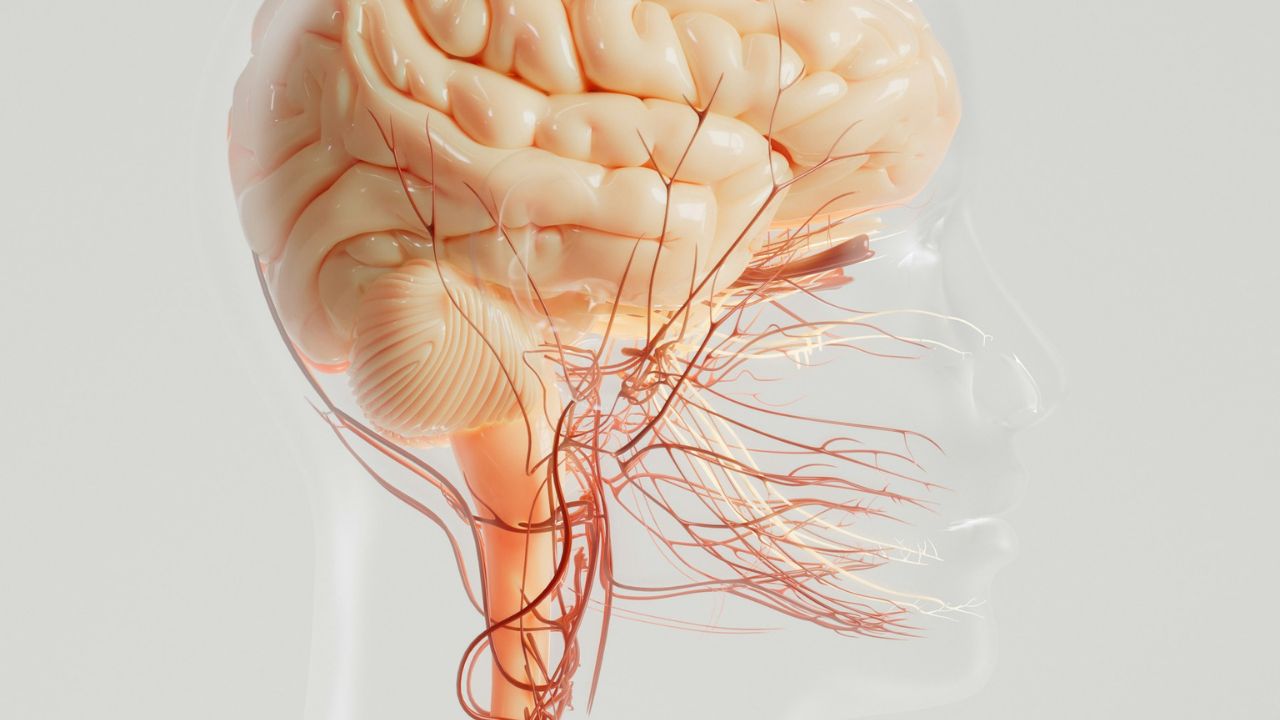
More than 2.7 million older Americans are living with vascular dementia, caused by damage to the brain’s blood vessels. Addressing modifiable lifestyle factors, like high blood pressure and diabetes, could reduce the risk.
For most types of dementia, changes in thinking and memory are gradual. Difficulty at work slowly escalates until co-workers start to take notice. Sporadically losing keys, wallets, or other important items becomes a regular occurrence. In contrast, the symptoms of vascular dementia could present abruptly, especially after a stroke.
What symptoms a person experiences will depend on the part of the brain that’s affected by vascular problems, leading to problems with speech, memory, thinking, and even changes in personality.
One of the most common forms of dementia after Alzheimer’s, vascular dementia affects an estimated 2.7 million Americans over 65. While there are no specific biomarkers, it can be diagnosed by taking a patient’s history and looking for signs of damage on a brain scan. Vascular dementia may be treated with medications for high blood pressure and diabetes that could slow the damage.
What causes vascular dementia?
Vascular dementia is primarily caused by damage, clots, or narrowing of the brain’s blood vessels, preventing oxygen and other nutrients from reaching the brain. The parts of the brain that are deprived of oxygen begin to die off quickly, causing damage to the white matter — tracts of nerve fibers that carry messages between different regions. The cause is more well-defined than in other forms of dementia, where an abnormal buildup of various proteins are thought to play an important role but the exact cause is unknown.
Even small changes to the brain’s blood vessels could have a big effect. Though it only makes up about 2 percent of body weight, the brain uses up around a fifth of the body’s total energy. Common risk factors like high blood pressure, diabetes, high cholesterol, and smoking all damage or narrow the brain’s blood vessels, restricting blood flow. These changes may trigger tiny areas of bleeding or blockages, killing off small parts of the brain. Other cerebrovascular diseases, like strokes or transient ischemic attacks, also called mini-strokes, may abruptly block blood flow and cause the sudden onset of symptoms.
Symptoms of vascular cognitive impairment and dementia
Symptoms of vascular dementia may develop gradually or suddenly, especially after a stroke. The specific symptoms depend on which parts of the brain are deprived of blood flow. Unlike Alzheimer’s, the symptoms progress in a stepwise manner.
“Vascular dementia tends to have step-offs, where patients are doing well, coping, demonstrating resiliency, and then suddenly there’s a significant change,” UCLA neurologist Dr. Jason Hinman told Being Patient in a recent LiveTalk. “Then they may stay at that plateau for six to 12 months, and then there’s another step-off and another noticeable decline.”
Executive function problems may be more frequent in vascular dementia compared to Alzheimer’s. “They have trouble with sequencing — remembering how to do one thing, then the next,” said Hinman. In addition, when widespread regions of the brain are affected, it could lead to difficulty with balance and coordination.
Some of the deficits depend on which regions of the brain are affected.
When the hippocampus is affected, memory problems arise. Someone may develop issues remembering dates or events, misplace items, and have trouble learning new information. Finding their way around, even on familiar routes to work, might become more challenging.
Damage to the temporal lobe could lead to difficulty speaking, processing words or sounds, or recognizing objects.
When the frontal lobe is deprived of blood flow, people develop problems with planning and complex tasks like paying bills. It could also lead to personality and behavior changes, including apathy, aggression, or anger.
Since the symptoms are so variable, vascular dementia could be misdiagnosed as a mental health condition or another type of dementia. To make the right diagnosis, doctors need to take into account a medical history, rule out other conditions, and use brain scans to spot the signs of damaged blood vessels and damaged brain tissue.
Is it Alzheimer’s, vascular dementia, or both?
Although Alzheimer’s and vascular dementia share many risk factors and symptoms, the diseases are distinct.
Unlike vascular dementia, the death of brain cells in Alzheimer’s is linked to beta-amyloid plaques and tau tangles. The gradual accumulation of tau is linked to symptom progression.
Many people have a form of mixed dementia, caused by both Alzheimer’s and vascular dementia. Up to 30 to 40 percent of people with Alzheimer’s also show evidence of cerebrovascular disease, suggesting that vascular dementia could be driving some of their symptoms.
Since the risk factors are well known, and there are many effective classes of drugs that treat cardiovascular diseases and reduce the risk of stroke — including antihypertensive drugs, GLP-1 agonists, and cholesterol-reducing statins — vascular dementia may be preventable. Scientists are also developing drugs that protect the brain and its blood vessels,to stop the disease in its tracks.
Frequently asked questions about vascular dementia
What is vascular dementia and how is it different from other dementias?
Vascular dementia is a form of the disease caused by problems with the brain’s blood vessels. Damage and obstructions to these blood vessels reduces blood flow to the brain, starving the brain of oxygen and nutrients, and leading to damage. Unlike Alzheimer’s and other dementias, disease progression isn’t linked to clumps or plaques of abnormal proteins like beta-amyloid or tau.
What causes vascular dementia?
Any conditions that damage the brain’s blood vessels and increase the risks of clots or ruptures could lead to vascular dementia. Hypertension, high cholesterol, diabetes, and smoking, alongside aging are considered major risk factors. Some people also develop a sudden onset of symptoms after developing a stroke or mini-hemorrhage.