VOICES: From Misdiagnosis to Meaning: A Daughter’s Alzheimer’s Journey
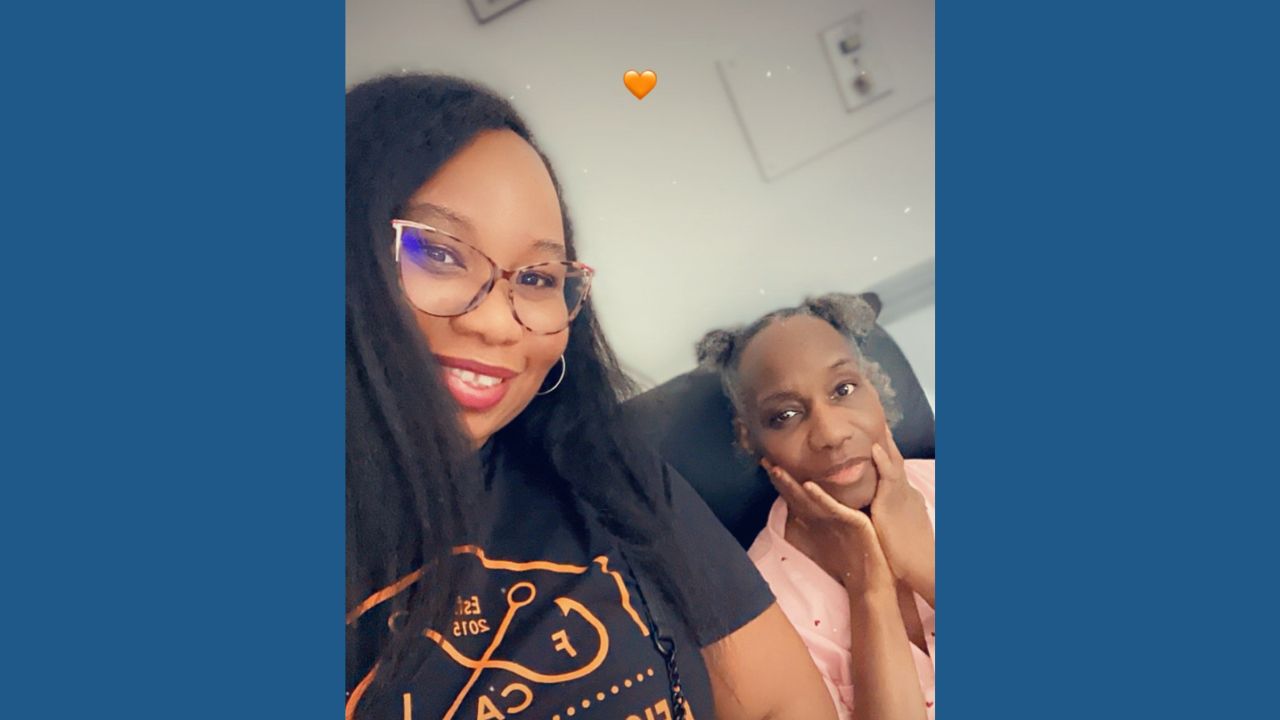
Sheralin Taylor writes about caring for her mother with Alzheimer's and how it launched her own advocacy journey.
Sheralin Taylor is a healthcare professional and caregiver advocate whose work is shaped by both her professional background and her lived experience caring for her mother with early onset Alzheimer’s. She writes about dementia, advocacy, and the emotional realities families face while navigating complex healthcare systems. Through storytelling, she hopes to support and empower other caregivers walking a similar path.
My mother would always randomly say, “If something happens to me, donate my brain to science.” When she was finally diagnosed, she asked me to make sure I shared her story to help others like her.
Her voice was fading, her words slower, softer, sometimes lost between confusion and silence. At the time, I did not fully understand what she was asking of me. I was exhausted, overwhelmed, and still trying to understand what was happening to her. But those words stayed with me. And now, years later, I know that moment was the beginning of my purpose.
My mother, Carlys, was diagnosed with early-onset Alzheimer’s disease at the age of 57 in 2021.
At first, nothing made sense.
Before the Alzheimer’s diagnosis, my mother had been misdiagnosed with schizophrenia. I remember feeling confused, frustrated, and afraid. Her personality was changing. She was forgetting things, becoming withdrawn, sometimes saying and doing things that were just not the woman I knew. I kept asking myself, “What is happening to her? How could she just give up on herself like this? How is it that she just does not care?”
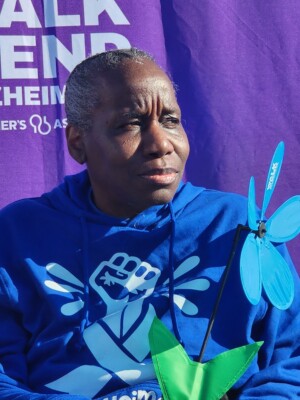
When we finally received the Alzheimer’s diagnosis, my entire world was turned upside down. It was devastating, but it also gave us clarity and finally a rabbit hole to jump down. Although I had no idea what I was doing, I began my journey as her caregiver, not fully prepared, but determined to never leave her feeling alone.
Caregiving changed me in ways I never expected.
There were so many moments of fear, grief, anger, and complete exhaustion. Watching someone you love slowly change is a pain that is hard to explain. No one realizes what it’s like to grieve a person you would do anything to help while they are still here. You learn to slow down. You learn to live in the present because tomorrow is uncertain.
But there were also moments of connection, love, and quiet strength. Music made her smile. Familiar voices calmed her. Touch mattered. Presence mattered. I learned that caregiving is not just about managing tasks. It is about protecting dignity, preserving identity, and loving someone through every stage of change.

What I Wish I Knew
If I could go back to the beginning of my caregiving journey, there are a few things I would tell myself.
- Trust your instincts. If something feels wrong, keep asking questions. Misdiagnosis can happen. You know your loved one better than anyone. Advocate for them until you get answers. I would have had more meaningful conversations with her about how she was feeling and what was going on in her head, but I was on fire just trying to find answers and figure out what level of Jumanji was next.
- Document everything. Keep a simple notebook, planner, or digital log of symptoms, medications, behaviors, and changes. This helped me communicate more clearly with doctors and recognize patterns in my mother’s condition.
- Meet them where they are. Dementia changes how a person understands the world. Instead of correcting or arguing, try to live in their world, their reality, with calm and compassion. Sometimes reassurance is more powerful than logic.
- Protect yourself too. Caregiving is heavy. Burnout is real. Find moments to breathe, to rest, and to step away without guilt. Support groups, therapy, journaling, recording videos, creating memories, and community helped me stay grounded.
- Tell the story. Your story matters. Sharing our journey connected me to other caregivers, opened doors for advocacy, and gave meaning to the pain. You never know who needs to hear your experience.
Today, I continue to share my mother’s story, not just for awareness, but for connection.
I was invited by the Stanford Health Care palliative care team to speak about our journey and participate in their storytelling project. Later, they invited me to join their breakout session at the Coalition for Compassionate Care of California’s 17th Annual Summit. Standing there, speaking about my mother, I realized something powerful.
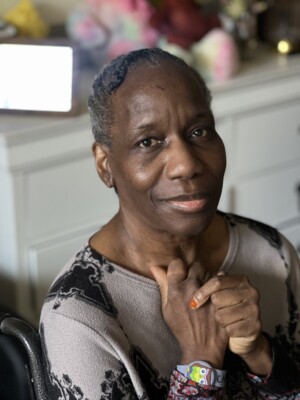
Her story was helping others.
Over the years, I have met many caregivers. We shared stories, tears, and the questions we wish we could have asked our loved ones. I have nothing but gratitude for these experiences. Some said, “I thought I was alone.” That is when I understood what my mother meant when she asked me to tell her story.
This was never just about us.
If you are caring for someone with dementia, I want you to know this.
You are stronger than you feel.
You are not alone.
Your love matters more than you realize. Love never forgets.
And one day, your story may become someone else’s strength.
I am still telling my mother’s story. And through it, she is still helping people.