FDA Clears Blood Test to Help Doctors Rule Out Alzheimer’s

With FDA clearance for Roche’s new blood test, primary care doctors have an efficient new tool to screen for Alzheimer’s before sending patients to specialists.
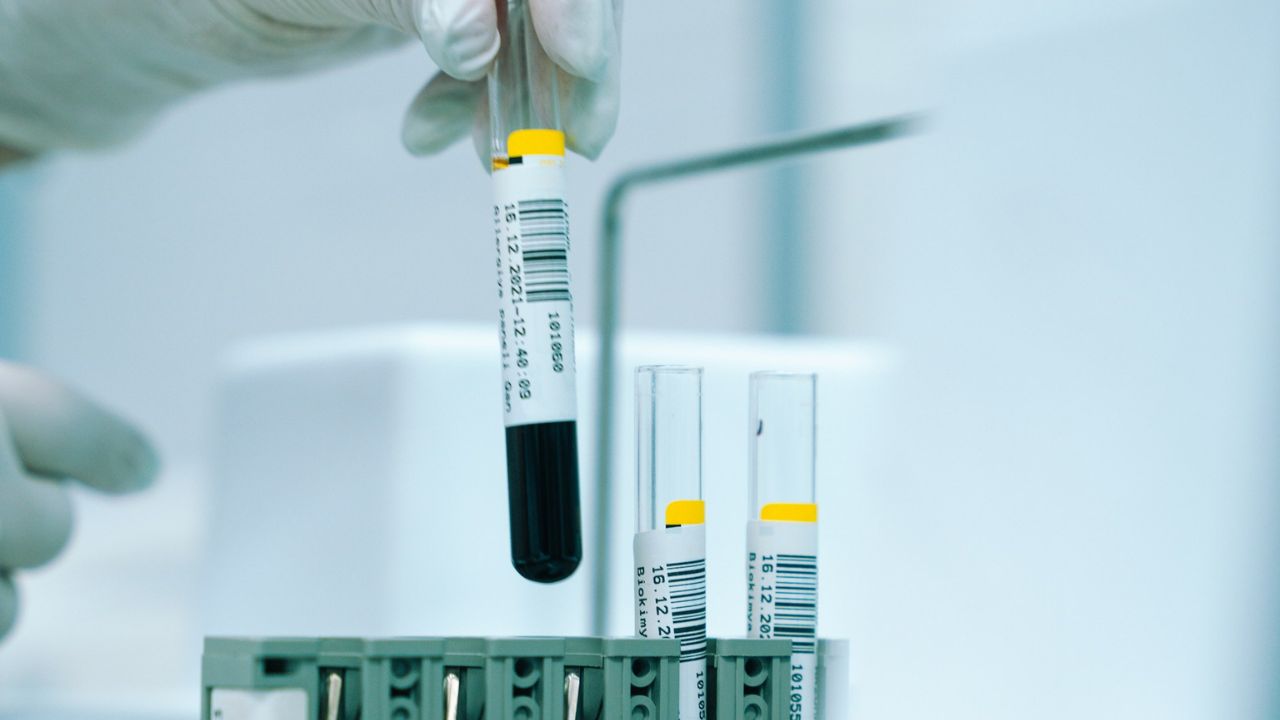
For millions of people experiencing memory issues, getting an Alzheimer’s diagnosis can involve long waitlists and invasive procedures. Blood tests are emerging as a faster first step, helping doctors identify who may need further testing like brain scans or spinal fluid analysis.
The first FDA-cleared blood test for Alzheimer’s, from Fujirebio, is already used by specialists to help confirm a diagnosis. Now there’s a second option. On Oct. 13, Roche’s Elecsys pTau181 test — developed with Eli Lilly — received FDA clearance.Roche’s new test is designed for primary care doctors who are evaluating cognitive symptoms in patients 55 and older. Rather than confirming Alzheimer’s, the Elecsys pTau181 test, developed in collaboration with Eli Lilly, helps primary care doctors rule out Alzheimer’s as a possible cause.
“This will be another test in the toolkit to help understand the cause of cognitive decline,” Laura Parnas, director of medical and scientific affairs at Roche Diagnostics, told Being Patient.
How well does the test work?
In a 312-person study, Elecsys pTau181 correctly ruled out the presence of beta-amyloid plaques — the key hallmark of Alzheimer’s in the brain that’s required for diagnosis — 97.9 percent of the time. The details and data from the study aren’t yet published.
Some blood tests don’t work as well in Black and Hispanic Americans, groups who are at the highest risk of the disease. But since Roche’s study included an ethnically representative sample, Parnas said it would be accurate regardless of race.
What do the test results mean?
Roche’s blood test could help doctors determine whether their patients are at high risk.
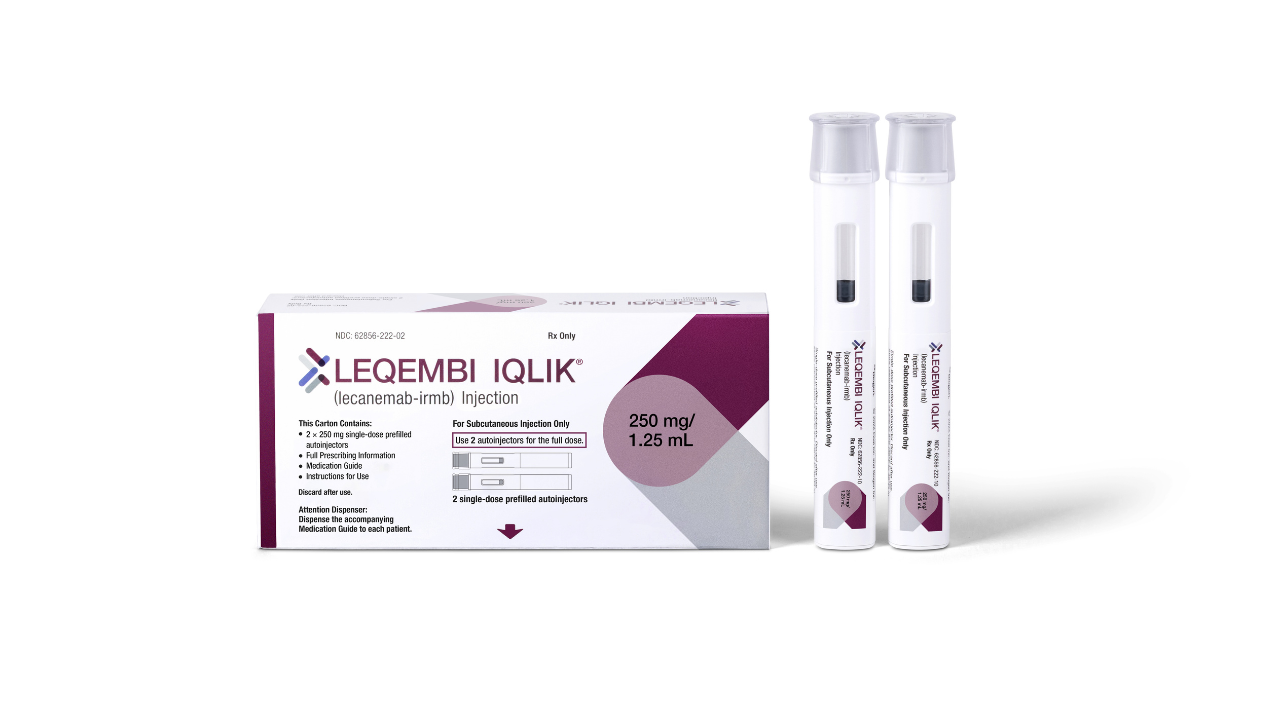
A positive result means that Alzheimer’s can’t be ruled out as a potential cause of cognitive decline. People who test positive might be referred to a specialist or memory clinic for cerebrospinal fluid, brain imaging, or blood biomarker tests to confirm a diagnosis. After the diagnosis, people in the earliest stages of the disease might consider trying anti-amyloid drugs like Leqembi or Kisunla, or joining a clinical trial.
A negative result usually means that the cognitive symptoms aren’t caused by Alzheimer’s. In that case, clinicians might take another look at other possible causes like sleep apnea, vitamin or hormone deficiencies, or thyroid dysfunction.
For some high-risk patients, including those over 80 who have memory problems resembling Alzheimer’s, Dr. Suzanne Schindler, a neurologist at Washington University in St. Louis, told Being Patient that “the clinician should still consider additional testing” to make sure it isn’t a false negative.
By helping primary care doctors screen their patients, it could ease the burden on specialty memory clinics, which Schindler said often have 6- to twelve-month waitlists.
When will the test be available, and how much will it cost?
Roche plans to sell the test in 2026 through clinical laboratories. However, the company isn’t sure yet how much the test will cost or whether it will be covered by Medicare or private insurers.
Why is FDA clearance important?
Until recently, there was no requirement for diagnostic tests to undergo the rigorous process of FDA testing. Diagnostic tests only needed to receive approval from the Clinical Laboratory Improvement Amendments program, which confirmed the tests provided consistent results but did not determine whether these results were accurate.
But with FDA approval becoming a requirement for new diagnostic tests after July 5, 2024, diagnostics developers must not only prove that the tests work, but that they work well and that their results are accurate as compared to existing gold-standard diagnostics.
Parnas called FDA clearance “an achievement” that shows their test is “accurate in their patient population.”