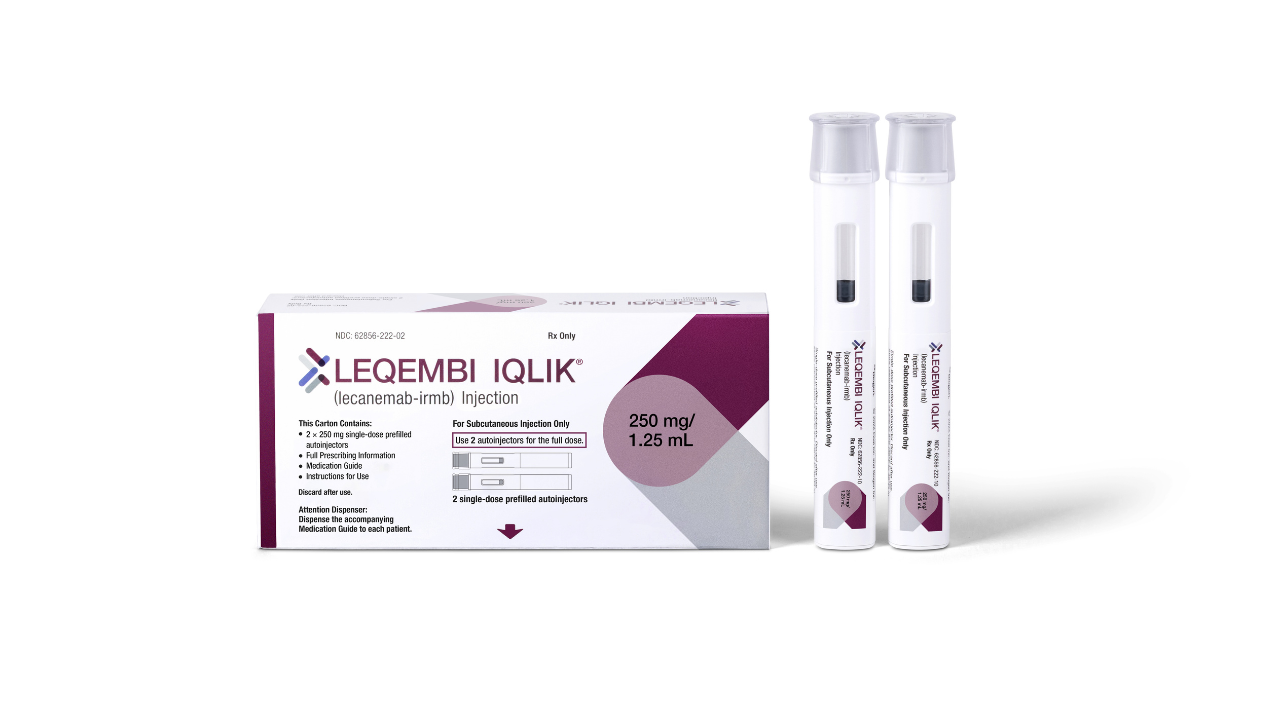
Before Starting Anti-Amyloid Drugs, Patients Need the Full Picture
Genetic testing, side effects, and uncertain benefits are often overlooked as patients begin treatments, leaving families without the information they need to make informed decisions.
Deborah Kan is an award-winning journalist and founder of Being Patient. In this “Thought of the Week” column each Friday, she highlights one of the key stories shaping the future of brain science.
Dear readers,
A friend of mine recently called to tell me that her mom had just been diagnosed with Alzheimer’s. Her doctor recommended monthly infusions of Kisunla, a monoclonal antibody therapy that targets amyloid in the brain. I asked a simple question: Had her mom been offered a genetic test?
The answer was no.
My friend also wasn’t aware that genetic status, specifically carrying the ApoE4 gene, can significantly increase the risk of side effects from these drugs, including ARIA, or brain swelling and bleeding. Nor had she been told that while these treatments may modestly slow decline, we still lack long-term data on their effectiveness.
This is where the gap in care becomes clear.
Drug labels recommend genetic testing before starting these therapies, yet it’s not required. That leaves many patients starting treatment without fully understanding their individual risk. And while ARIA often resolves, it can require months of monitoring and follow-up — something patients and families should be prepared for.
These monoclonal antibodies are the first FDA-approved drugs to modify the course of Alzheimer’s. That’s a major milestone. But it also means we are still learning about who benefits, by how much, and at what cost. In fact, a recent review has questioned their overall efficacy and neurologists are divided on how much benefit they actually are having on patient outcomes.
In my view, no patient can make an informed decision without the full picture.
Alzheimer’s is difficult enough to navigate. Patients deserve clear, complete information — not just about what’s available, but about the risks, the trade-offs, and the unknowns. So I’ve put together a simple cheat sheet to help guide conversations with doctors. If the system isn’t consistently providing the right information, then we will.
Please share it with anyone who may need it.
With hope,
Deborah
Click here to read the full checklist
Download the PDF version: Deborah’s List of Questions to Ask Your Doctor
Related Articles
No Related Post Found