Review Questions Impact of Anti-Amyloid Drugs

While the analysis suggests no noticeable clinical benefits, many clinicians think the two approved Alzheimer’s drugs, Leqembi and Kisunla, offer benefits.
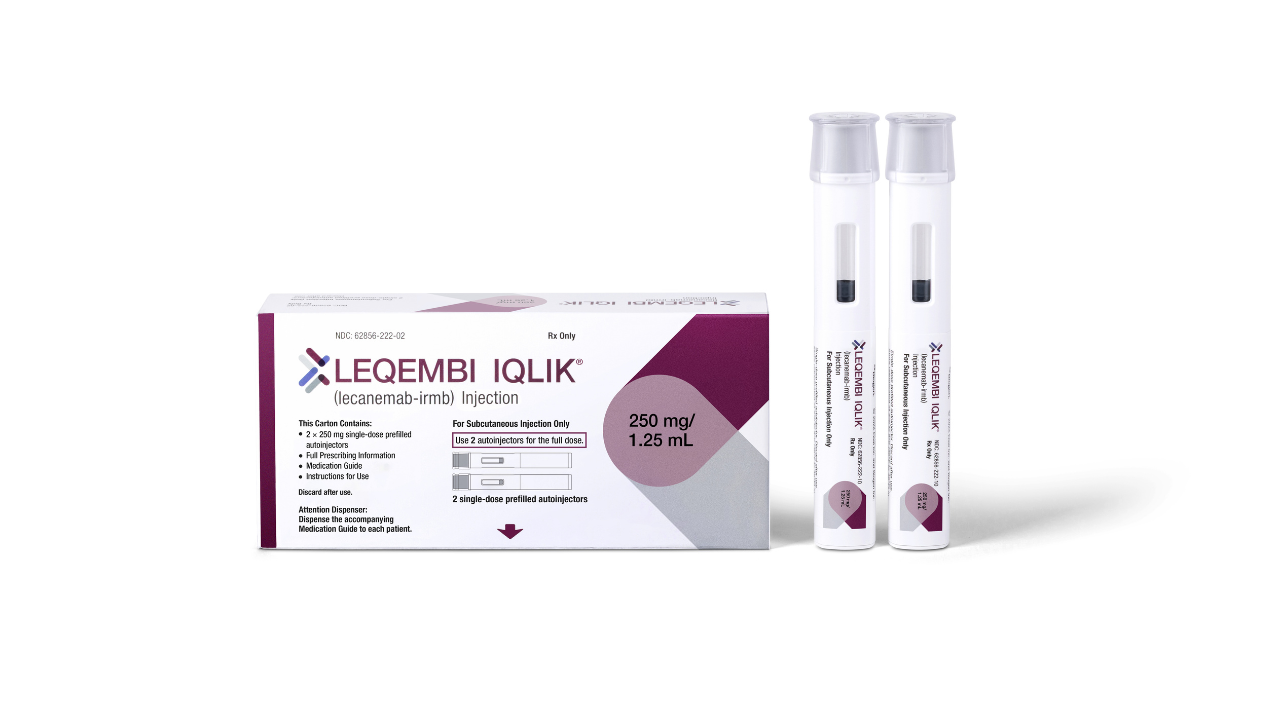
For decades, attempts to treat Alzheimer’s by targeting beta-amyloid plaques in the brain failed over and over again. The tides changed in the 2020s with the approval of two anti-amyloid drugs that targeted beta-amyloid: Eisai’s Leqembi in 2023 and Eli Lilly’s Kisunla in 2024.
Leqembi and Kisunla provide a small benefit in disease slowing while carrying the risk of amyloid-related imaging abnormalities (ARIA), brain bleeds and swelling. They’re now prescribed to tens of thousands of patients worldwide. But some neurologists argue over whether these effects are large enough to be meaningful to patients’ day-to-day lives.
A new systematic review published in the Cochrane Database of Systematic Reviews combined the data from all the trials ever conducted on anti-amyloid medications, including those that failed in clinical trials.
“Existing approved drugs offer some benefit for some patients, but there remains a high unmet need for more effective treatments,” said senior author Edo Richard, professor of neurology at Radboud University Medical Centre in a press release. “Sadly, anti-amyloid drugs do not offer this and bring additional risks.”
Many outside the study disagreed with combining data from many low-dose anti-amyloid drugs, as well as those that failed to clear beta-amyloid, alongside more effective treatments.
What does the study say?
The researchers included 17 randomized controlled trials of five anti-amyloid medications with over 20,000 participants that lasted at least 18 months.
Rather than looking for statistically significant changes in cognitive function between treatment and placebo groups, the study checked to see whether the effects were large enough to meet the minimal clinically important difference threshold. These differences were defined by neurologists, patients, and caregivers to flag when the effects of a drug are large enough to be noticeable.
The study concluded that successful removal of beta-amyloid from the brain has no clinically meaningful effect on cognitive function or dementia severity. They also noted the increased risk of ARIA, which may be dangerous in rare cases and require regular MRI scans to monitor.
Dr. Nicolas Villain, a neurologist and associate professor of Neurology at Sorbonne University in France, told Being Patient he was concerned that the analysis combined drugs with very different properties together into one analysis. In 10 of the trials, he said, the experimental drugs failed to clear substantial amounts of beta-amyloid plaques.
Villain said that it’s already known that high-dose anti-amyloid drugs, like Leqembi and Kisunla, “provide a modest but meaningful benefit.” In a press conference, Richard contends the drugs can be compared to one another because they all target beta-amyloid and all the trials measured similar outcomes.
The failed studies provide limited information about anti-amyloids as a whole, Sarah Ackley, a Brown University epidemiologist who has published similar analyses on anti-amyloid drugs, told Being Patient.
Because some of the trials used drugs with a low-dose had a minimal impact on amyloid, she said, they “can’t tell us much about the efficacy of newer drugs or whether the strategy of reducing amyloid is overall a good one.”
Still, she contends that the small benefits seen in Leqembi and Kisunla “do not translate into changes that are obvious in an individual.”
The question of what is meaningful is also highly debated in the Alzheimer’s space. An EU-US Task Force convened in 2024 suggests that longer-term data, beyond 18-months is needed to know whether the small benefits become meaningful or accumulate with time.
Maria C. Carrillo, chief science officer and medical affairs lead at the Alzheimer’s Association, said in a statement that studies in real-world settings found that Leqembi and Kisunla lead to clinically meaningful slowing with modest side effects. While real-world studies, where all the participants know that they’re receiving the drug, provide more information about the long-term effects of these treatments, Ackley said they are hard to interpret and prone to bias.
All that said, the two FDA-approved anti-amyloid drugs slow the course of the disease by a small-to-modest, however experts disagree on what that means. A 2024 survey found that 72 percent of neurologists — only 59 percent in the US — endorsed these drugs. The polarization is also seen on the Science Media Centre, where some experts disagree with the conclusions of the study.
The study highlights “tension” in the Alzheimer’s drug space, Dr. Brent Forester, psychiatrist-in-chief and chair of psychiatry at Tufts Medical Center told Being Patient. He said, “In specialty dementia care settings, these findings underscore the importance of careful patient selection, shared decision-making, and transparent discussions about realistic expectations.”