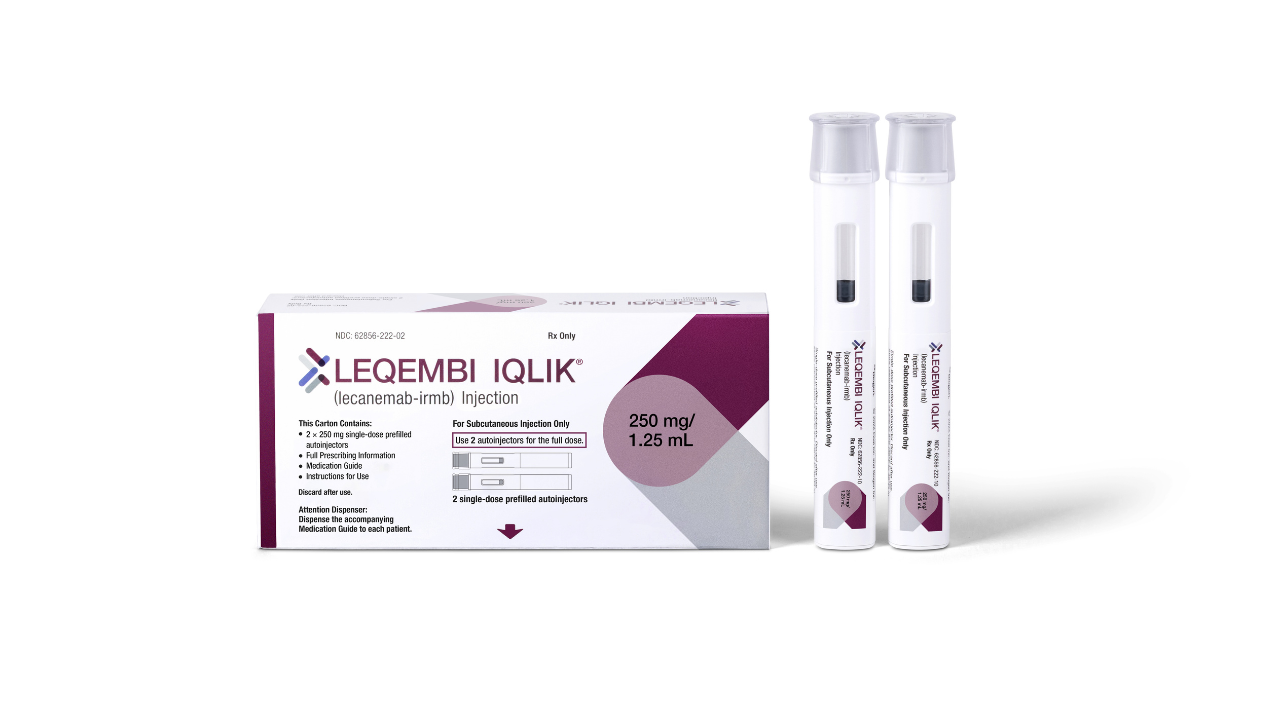
Australia Drug Regulators Approve Leqembi for Alzheimer’s

Both Alzheimer's anti-amyloid drugs Leqembi and Kisunla are now approved in Australia for patients without two copies of the ApoE4 gene.
Australia has officially approved Leqembi (generic name lecanemab), a drug that targets amyloid plaques in the brain and aims to slow the progression of early-stage Alzheimer’s disease. The Therapeutic Goods Administration announced the decision last week, making Leqembi the second anti-amyloid antibody therapy now available in the country.
It’s a big turnaround: Last year, the TGA rejected Leqembi over safety concerns. But drugmaker Eisai requested regulators reassess the evidence. And after an appeal and review of new data, regulators have reversed their decision and given the green light — with important conditions.
Who can take Leqembi in Australia?
Like its competitor Kisunla (donanemab), which was approved in Australia in May, Leqembi is only available for people in the early stages of Alzheimer’s who carry zero or one copy of the APOE4 gene variant.
APOE4 is linked to higher Alzheimer’s risk, but it also increases the likelihood of serious side effects from these drugs, specifically amyloid-related imaging abnormalities, or ARIA. These side effects include brain swelling or small brain bleeds, which are usually symptomless but can, in rare cases, be fatal.
Patients will also need proof of amyloid buildup in the brain, confirmed through PET scans or other tests, before starting treatment. And once on therapy, frequent MRI scans are required to monitor for ARIA.
Not a cure, but another option
Both Leqembi and Kisunla work by clearing toxic beta-amyloid protein from the brain. In large clinical trials, they showed a modest slowing of memory and thinking decline, on the order of about 25 to 35 percent over 18 months. That benefit, while meaningful to some families, is far from a cure.
“This is exciting news, but we also need to ensure people understand that donanemab and lecanemab are not cures,” Professor Tanya Buchanan, CEO of Dementia Australia, said earlier this year.
In a recent statement, Buchanan added: “This, along with the approval of Kisunla by the TGA earlier this year and the many other treatments currently being developed, heralds a new and exciting era for the treatment of dementia. With dementia now the leading cause of death for Australians, we welcome any developments that can improve the lives of people living with dementia their families and carers. It is important to note that lecanemab does come with possible side effects that need to be carefully communicated to patients so they can make an informed choice, and the treatment needs to be monitored by health professionals. We also need to ensure people understand that lecanemab is not a cure and is only suitable for people in the early stages of Alzheimer’s disease which is why it is so important for people to receive a timely diagnosis.”
Both drugs remain controversial among some clinicians who don’t think the risks outweigh the drugs’ modest cognitive benefits. This camp has questioned whether these drugs are really making a clinically meaningful difference for patients in slowing cognitive decline.
It was due to these concerns that European regulators initially rejected the company’s application to bring the Kisunla to market. (After a recent appeal, European regulators also changed their minds.)
New evidence from real-world use of both drugs presented earlier this year suggests that risk and side effects aren’t higher than in the clinical trial, and that they tend to be well-managed.
The challenges ahead
With both Leqembi and Kisunla now available, Australia joins the U.S., Japan, and several other countries in offering patients more than one disease-modifying option. But families and clinicians will need to weigh the potential benefits carefully against the risks, costs, and logistical challenges.
Neither drug is yet listed on Australia’s Pharmaceutical Benefits Scheme, which means patients may face out-of-pocket costs of tens of thousands of dollars per year for the drug itself, scans, and infusions.
Experts worry the approval may also put pressure on the healthcare system to expand access to PET scans, genetic testing, MRI monitoring, and infusion centers.
And because of the genetic restrictions and the need for early diagnosis, only a small fraction of people living with Alzheimer’s will qualify.