FDA Approves New Drug for Alzheimer’s Agitation
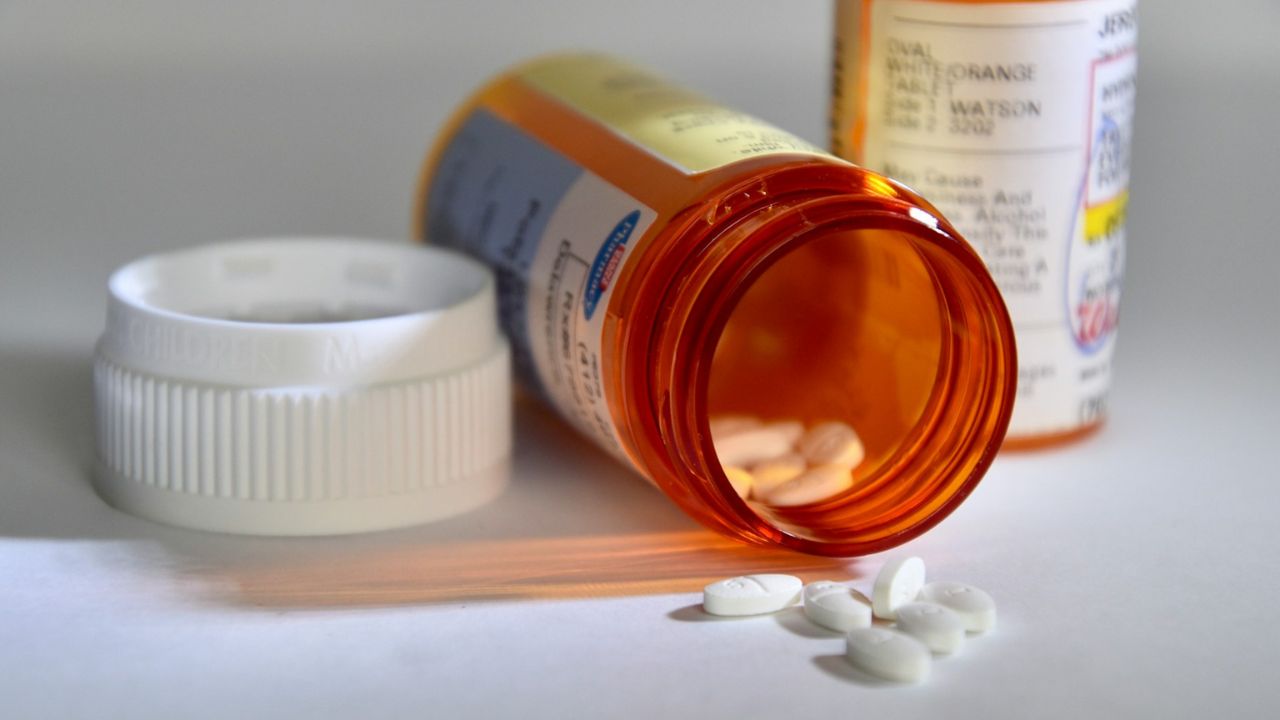
The FDA approved Axsome Therapeutics’ Auvelity for Alzheimer’s agitation. In studies, the drug provided a small benefit with fewer side effects than other treatments.
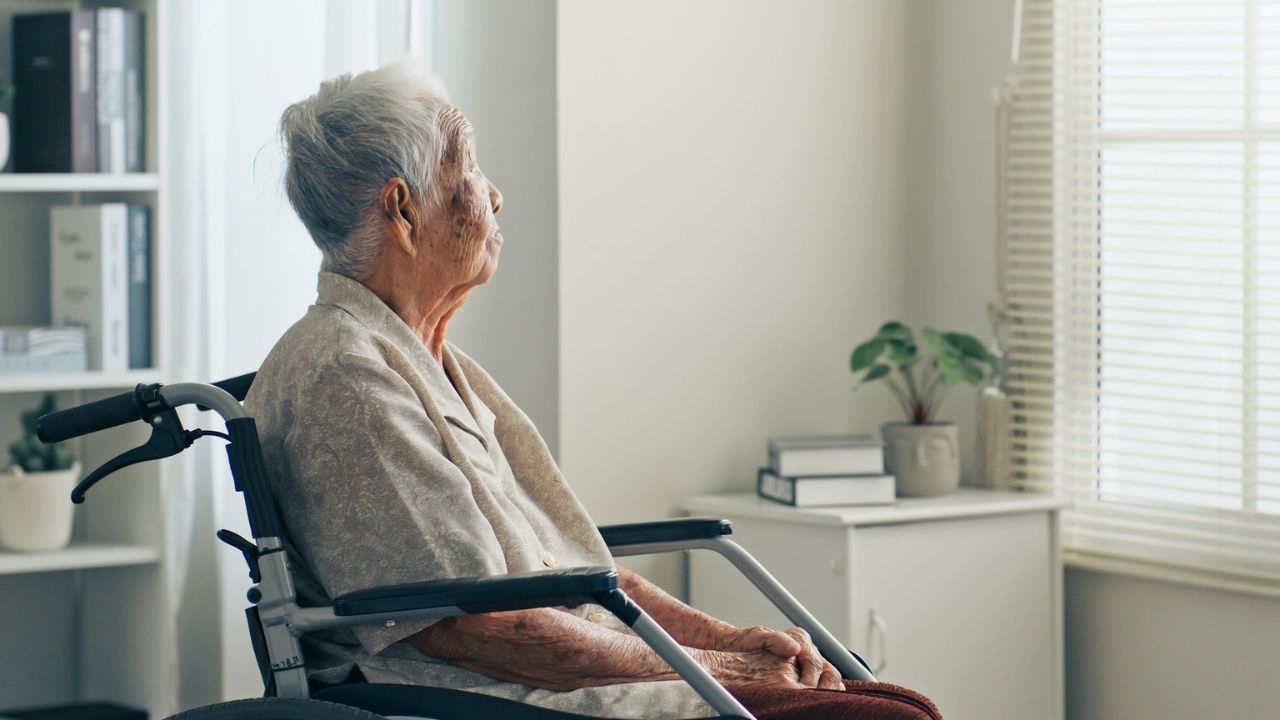
Agitation is among the most challenging symptoms of Alzheimer’s — the pacing, aggression, and restlessness make it difficult to care for loved ones and keep them safe at home.
Treating agitation, which affects as many as half of people with the disease, requires time and effort to maintain structured routines, implement calming activities and the right environment. When those interventions fail, what’s left for families are a handful of psychiatric medications, which aren’t always effective — or even safe — for people with dementia.
On April 30, Axsome Therapeutics’s Auvelity got the green light from the Food and Drug Administration (FDA), becoming the second medication approved for treating Alzheimer’s agitation. Unlike the antipsychotic Rexulti (generic name: brexpiprazole), which was approved in 2024 after showing a small benefit on agitation symptoms, it doesn’t seem to increase mortality risk.
Most of the experts who spoke with Being Patient about the new drug were not enthusiastic about it and raised concerns about the Axsome’s delayed release of data, and its lack of peer-reviewed studies.
“If brexpiprazole is the standard, then this doesn’t even meet that level of evidence relating to efficacy or safety.” Jerry Gurwitz, geriatrician at UMass Chan Medical School told Being Patient. Approval of Auvelity means “lowering the bar further.”
How well does Auvelity work?
The FDA first approved Auvelity in 2022 for treating major depressive disorder under the brand name Auvelity. The drug combines dextromethorphan, the active ingredient in cough syrup, with bupropion, another antidepressant that’s also used to help people quit smoking. Together, these drugs act to increase the levels of various neurotransmitters in the brain and modulate other protein receptors that may affect agitation behaviors.
The company ran four Phase 3 trials to show its efficacy, though the data for most of the trials are not yet published in peer-reviewed scientific journals. The company shared some data through press releases and conference presentations.
“Lots of red flags when trials have been completed many years ago,” said Gurwitz, without publishing the data.
Eric Widera, a geriatrician and professor of medicine at UCSF who was not involved in the company’s trials, raised similar concerns.
In 2020, the company shared data from the first trial; the drug reduced agitation by 3.9 points more than placebo on a 203-point scale. While this change is statistically significant, it falls below the threshold of 15 to 25 points that some researchers suggest is the smallest change that would be noticeable by patients and caregivers.
Two years later, the company shared data from another Phase 3 trial. The study involved following people who responded well to the drug, and then for half of the participants, replacing the active treatment with a placebo to see when symptoms return. That study showed people continuing to take the drug were less likely to experience a relapse in symptoms.
These two studies were the basis for FDA approval.
In 2024, the company shared mixed data from the final two Phase 3 trials: One showed that Auvelity delayed time to symptom relapse, while the other found no significant difference in agitation reduction compared to placebo. “There definitely is not a clinically meaningful difference,” Gurwitz said.
It’s common practice for drug companies to run one small trial, he explained, and then run a larger trial to see if the effect holds. In this case, the larger study didn’t see any effect. He called the studies tracking how fast participants relapsed “weird” and said they would be “hard to generalize” to the real world, where such a scenario doesn’t happen.
Dr. Brent Forester, psychiatrist-in-chief and chair of psychiatry at Tufts Medical Center, who wasn’t involved in the trials but provided consulting services to Axsome in 2025, told Being Patient that the effect was “mild-to-modest,” similar to the effects of other antipsychotics prescribed off-label for treating these symptoms.
But because of its safety, Auvelity has an advantage: The most common side effects were dizziness, headache, and nausea and the drug didn’t seem to increase the risk of mortality. That makes it different from the antipsychotic drugs that are often prescribed off-label, which increase the risk of mortality.
Although there’s no documented mortality risk, Gurwitz wasn’t so sure the data the company presented was sufficient to show this. “Even if it is safer, which I’m not sure it is, dizziness is a common side effect,” he said, raising concerns that it could increase the risk of falls.
Two other experts who weren’t involved in the trials and who spoke with Being Patient when the company filed for approval also weren’t impressed with the data. “The data from the press release argues that the drug didn’t work,” said Widera. In its large 408-person Phase 3 trial, the drug did no better than placebo.
Will Auvelity approval change agitation treatment?
Auvelity doesn’t replace non-pharmaceutical behavioral interventions or off-label drugs in every context.
“The way we approach treatment is completely determined by the cause of the agitation,” said Forester. “Is it the environment around them that’s making them upset and confused because of the noise or the time of day?” Many underlying medical conditions like infections, electrolyte imbalances, or co-occurring mental health conditions might also drive these symptoms.
He said that education is the biggest difference maker, as spouses and family members might not understand that Alzheimer’s and other medical conditions might lead to certain behaviors..
Forester sees Auvelity as a useful medication for people who are living at home with their spouse or an adult child. After taking care to reduce noise and improve the comfort and calmness of the environment, this drug might provide relief, but could take several weeks.
Gurwitz said the data didn’t support its use. He asked: “Would you give a drug that didn’t work to a person just because it was theoretically safer?”
On the other hand, said Forester, doctors might prescribe antipsychotic medications in situations where there are safety concerns or symptoms leading to hospitalization, since they work faster.
What’s next for treating Alzheimer’s agitation?
Several other companies are vying to develop better agitation treatments to improve the quality of life for people with the disease. Agitation is what “drives people into hospitals, emergency rooms and long-term care facilities,” Forester said, adding that the condition can jeopardize quality of life and safety.
Bristol Myers Squibb is furthest along, testing the schizophrenia drug KarXT across pivotal trials to see if it could treat Alzheimer’s agitation, with results expected in 2028.
So far, none of the agitation drugs on the market show a very large effect on symptoms. Experts still recommend non-pharmaceutical interventions as frontline treatments. These interventions are personalized, and what works for one individual, for example music and art therapy, might not work for another.
“Non-pharmacologic interventions do work, and they seem to work better than these pharmacologic alternatives,” Gurwitz said, acknowledging the difficulty. “They’re harder to do and more expensive, potentially, than just giving a person a pill.’