New Drug for Rare Childhood Dementia Wins FDA Accelerated Approval

Avlayah, the first approved drug that uses a brain shuttle to get past the blood-brain barrier, lowers levels of a key biomarker of Hunter Syndrome.
Around age 2, children born with Hunter Syndrome develop symptoms affecting the whole body, altering facial features, causing problems with joints, an enlarged liver and spleen.
In some children, Hunter Syndrome — also known as mucopolysaccharidosis type II (MPS-II) — causes developmental regression, as some develop severe thinking, behavioral, and memory problems resembling dementia.
The U.S. Federal Drug Administration on March 25 provided accelerated approval to Denali Therapeutics’ Avlayah (tividenofusp alfa), which shows potential to slow cognitive decline in Hunter Syndrome.
A mutation that prevents the body from making functional iduronate 2-sulfatase (IDS) enzymes causes this rare genetic disease. The enzyme breaks down complex sugars called glycosaminoglycans. When it stops working, these complex sugars accumulate and damage the body’s organs.
Since the gene for IDS is on the X chromosome, males are more likely to develop the syndrome. The FDA approved Elaprase, an enzyme replacement therapy in 2006, but the drug couldn’t reach the brain to slow the progression of its neurological symptoms.
Denali’s Avlayah is an enzyme replacement therapy that reaches the brain. Based on biomarker data, the treatment looks promising, and further studies are underway to confirm its clinical benefits.
“It’s not going to cure individuals, it’s only going to stabilize them and prevent future deterioration,” Dr. Joseph Muenzer of the Muenzer MPS Research and Treatment Center at the University of North Carolina at Chapel Hill told Being Patient. “The younger we treat patients, the better.”
How does Avlayah work?
Many drugs struggle to get past the blood-brain barrier, a selective structure that evolved to keep large molecules and toxins from reaching the brain. To outsmart this evolutionary defense system, Denali fused the IDS enzyme with a brain shuttle that tricks its way past the barrier.
The brain shuttle is an antibody that attaches to a protein called the transferrin receptor, an iron molecule transporter, at the blood-brain barrier. Avlayah’s binding activates the transferrin receptor, but instead of iron, its cargo is the IDS enzyme.
In a 47-person Phase 1/2 trial, the drug led to a 91 percent drop in heparan sulfate, a glycosaminoglycan that builds up in the brains of children with Hunter Syndrome, in the cerebrospinal fluid after 24 weeks of treatment. The signal from this biomarker is promising and predicts a positive clinical benefit. “We have very good animal data supporting that,” said Muenzer.
While the company is running a confirmatory Phase 2/3 trial, the accelerated approval allows patients and families with limited options to access a potential treatment. The drug requires weekly intravenous infusions, initially requiring treatment in a medical setting rather than at-home to manage any potential infusion reactions like anaphylaxis. It will cost between $270,000 and $811,000, depending on a patient’s weight.
Are brain shuttles the future of Alzheimer’s drugs?
Avlayah’s accelerated approval is also a promising step for brain shuttle technology. Several companies are testing similar approaches to bypass the blood-brain barrier.
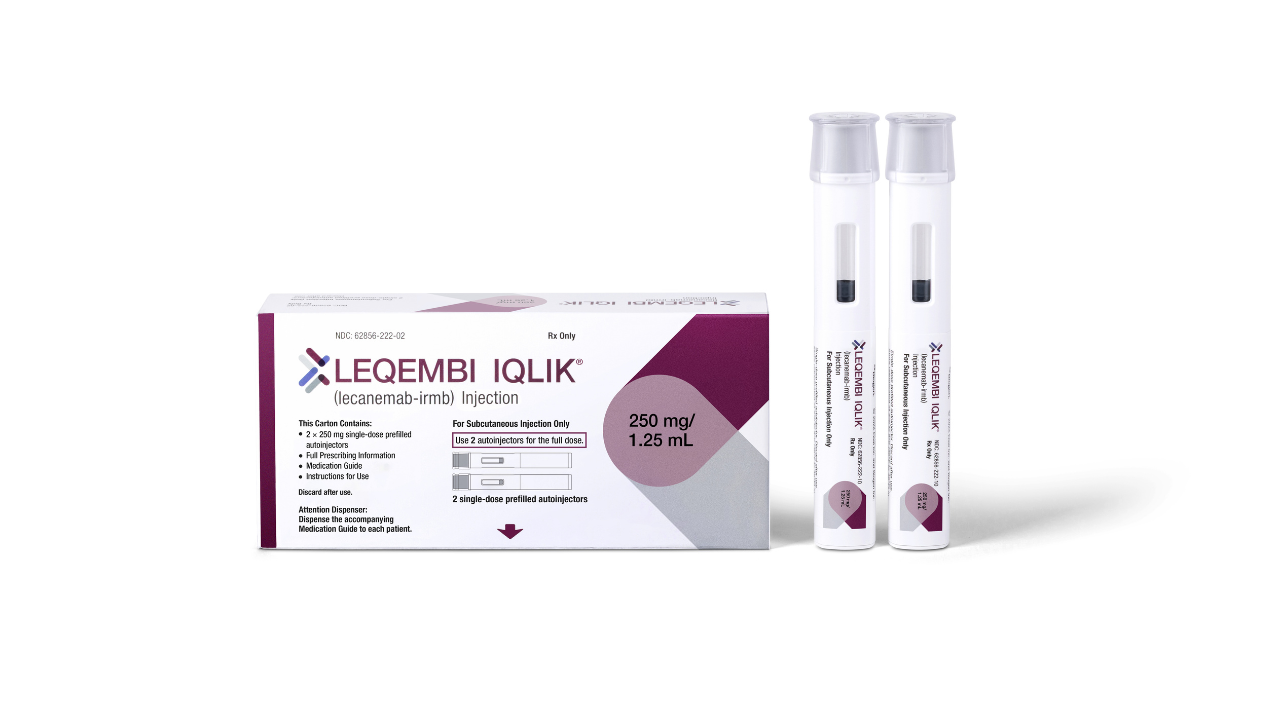
While Leqembi and Kisunla clear out beta-amyloid in the brain, they also risk amyloid related imaging abnormalities (ARIA), small brain bleeds and brain swelling. In rare cases, these side effects could be deadly.
Roche’s anti-amyloid drug trontinemab is now entering Phase 3 trials, after an impressive safety record in earlier trials. Thanks to the brain shuttle, the drug cleared beta-amyloid plaques faster in preliminary trials than Leqembi and Kisunla at a much lower dose, leading to a much lower risk of ARIA.
Denali is also using other drugs with brain shuttles to treat childhood dementia, frontotemporal dementia, and Alzheimer’s. Other major drug companies, including Eli Lilly, Eisai, GSK, and Novartis, have partnered with brain shuttle companies to make their drugs more efficient as well.