Why Isn’t There a Simple Test for Alzheimer’s? A Physician Explains

Despite advances in biomarkers, a doctor explains why diagnosing Alzheimer’s still requires thorough clinical evaluation and follow-up over time.
Dr. Catherine Madison is a neurologist with Seniors At Home, a division of Jewish Family and Children’s Services and founding director of the CPMC Ray Dolby Brain Health Center in San Francisco. After eight years in the Air Force, she returned to California to care for her mother with Alzheimer’s disease. She is the author of “Navigating Memory Loss: Essential Questions and Answers on Alzheimer’s and Dementia.”
We have grown accustomed to getting quick answers to many of our medical questions. For instance, we can take a simple urine sample for a pregnancy test and a nasal swab for COVID.
But diagnosing a form of dementia is not that simple. This relates to many factors, including the very gradual onset of brain damage (over decades!), the variable reserve capacity in our brains, as well as the variety of symptoms related to different protein changes and to which regions in the brain they damage.
The first necessary step is an awareness that our risk for dementia increases with age. The focus on a healthy lifestyle throughout life is an excellent prevention strategy. But if “senior moments” are becoming more frequent and causing disruption in your routine, a medical evaluation to find treatable causes is necessary.
Blood test for Alzheimer’s not ready
You may have seen headlines that newly released blood tests can predict dementia years before the onset of noticeable symptoms. Sounds good, right? But this test is not ready for general use and your provider is typically not going to order it.
Instead, talk with your doctor about your symptoms. After you have pushed your medical provider for an evaluation — and this is the critical first step — they should then take a detailed history of your concerns about memory or behavior and perform a brief cognitive screening test such as the Mini Mental State Exam (MMSE), Montreal Cognitive Assessment (MoCA), or the Eight Item Informant Interview to Differentiate Aging and Dementia (AD8).
In more robust medical settings, a detailed evaluation of thinking and memory called neuropsychological testing is generally available and quite valuable. This is typically performed by neuropsychologists with extensive training in how to interpret the results, examining how a person is using language, takes in new information, processes it and later recalls it along with many other tasks.
Each person’s results are compared with the pooled results of other individuals of similar age, educational and vocational backgrounds. This information can then be distilled into a concise report that identifies where a person is performing across many cognitive domains compared with where they would be expected to perform.
For example, your recall of words from a list might be in the 35th percentile, and your speed of processing information in the 85th percentile. These numbers can serve as a benchmark for comparison at a later date. So if in two years you feel you are having more trouble than you should, there is testing that can prove your hypothesis right or wrong.
Test for treatable conditions that can look like dementia
Your doctor should also order bloodwork to look for treatable causes of memory impairment, such as vitamin or hormone deficiencies, adverse effects of medication, and other conditions such as a sleep or mood disorder that can look like a form of dementia.
Brain imaging is necessary as well. Magnetic Resonance Imaging (MRI) gives us clear pictures of the brain that can demonstrate damage from small blood vessel disease in the brain; akin to mini-strokes. Knowing there is a tendency towards this problem, your doctor can suggest changes in medication, diet and routines to reduce the risk of more damage in the future.
Brain scanning can also reveal abnormal collections of fluid (normal pressure hydrocephalus or NPH) which can be improved with drainage. In addition, MRI can identify patterns of shrinkage that suggest a particular underlying pathology, such as an Alzheimer’s process or fronto-temporal dementia. In smaller communities where MRI is not available, a computerized axial tomogram (CT) scan is acceptable to rule out a stroke or NPH.
Followup to summarize results and plan next steps
A follow-up visit with your medical provider needs to be arranged to go over all of the results from the testing described here. You should have a clearer idea about whether what you are experiencing is normal for aging and be given usable strategies to maintain brain health.
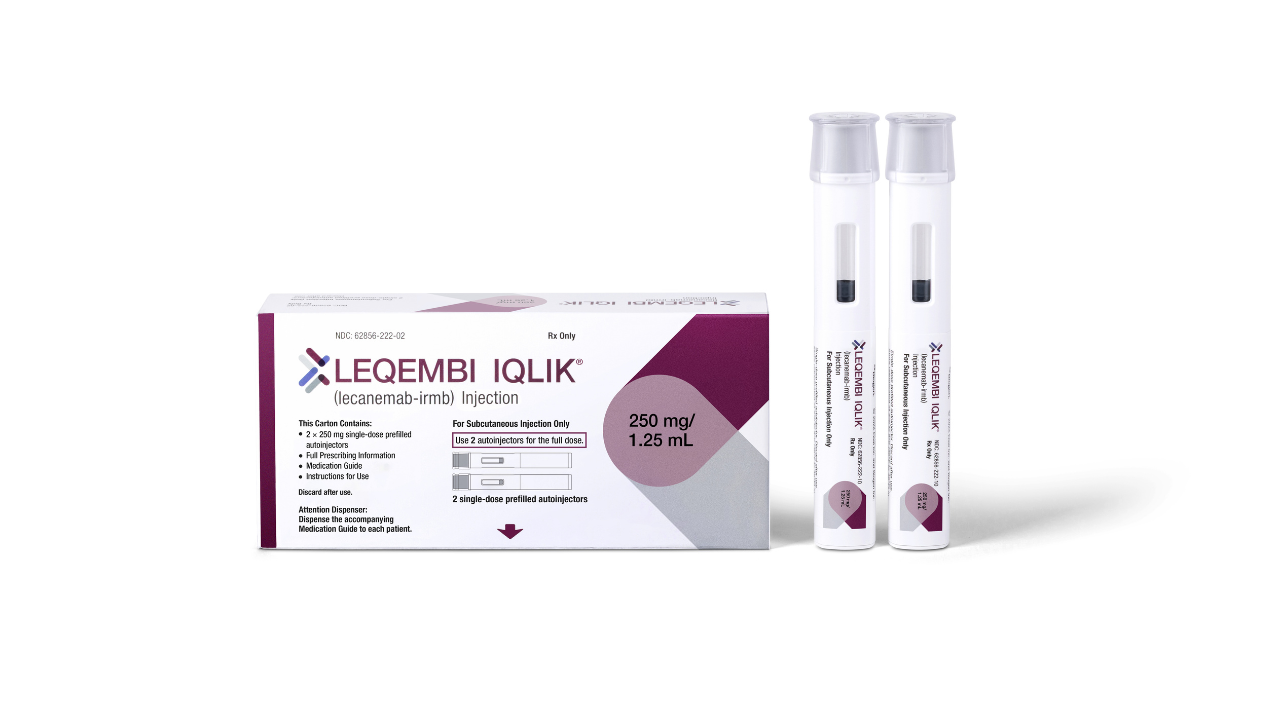
If the results suggest some type of dementia, then additional testing should be pursued to clarify exactly what type of dementia you are dealing with. This could include other specialized brain imaging called Positron Emission Tomography (PET) scan, looking at spinal fluid, skin biopsies or more. And a specific diagnosis has become more important now that there are antibody treatments for Alzheimer’s Disease. Research suggests these medicines are more valuable when started early in the course of illness before significant damage to the brain has occurred.
Seeking out an evaluation for diagnosis and treatment is a significant investment in time and resources. But the benefits for an improved life are worth the effort.