Babies Have Higher Levels of This Alzheimer’s Biomarker

In babies, one of the most reliable Alzheimer's biomarkers starts off sky-high but declines with age. What might this discovery mean for possible treatments?
Decades ago, Alzheimer’s was impossible to diagnose without a brain autopsy. Today, blood tests on the market make it easier and faster to diagnose it by spotting biomarkers, protein signatures that suggest the presence of the disease. But a recent study published in the journal Brain Communications found that a certain, surprising population has higher levels of a telltale Alzheimer’s biomarker than people actually living with the disease do: babies.
The biomarker, pTau-217, is a fragment of tau, one of two main proteins that accumulate in the brains of people with Alzheimer’s. But why are levels of this protein higher in babies than in actual Alzheimer’s patients? The answer could help us better understand and treat the disease.
Why babies?
Typically, to confirm whether someone has the hallmark signs of Alzheimer’s — beta-amyloid plaques and tau tangles — doctors look for biomarkers in the blood, cerebrospinal fluid, and brain.
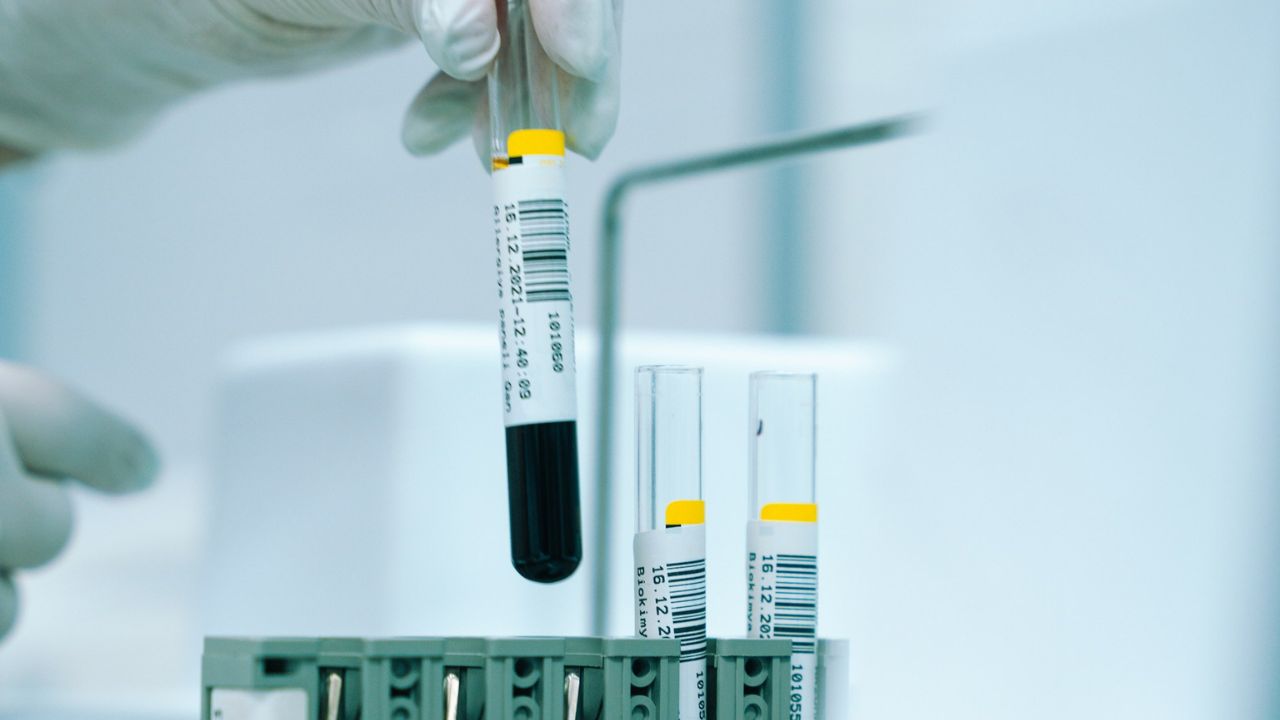
High levels of pTau-217 in the blood are a sign of pathological processes in the brain that could suggest the presence of Alzheimer’s. Evidence for this link is so robust that it’s one of two biomarkers measured by Fujirebio’s blood test, the first FDA-cleared test for aiding in diagnosis. That’s why researchers in Sweden, Spain, and Australia analyzed blood samples from 462 individuals: premature infants, healthy newborns, young adults, healthy older adults, and people diagnosed with Alzheimer’s. What they found was interesting: While the researchers expected newborns to have some pTau-217 in their blood, the levels in newborns were much higher than those in Alzheimer’s patients.
Fernando Gonzalez-Ortiz, a doctoral student at the University of Gothenburg in Sweden, who led the study, called the results “surprising.” These high levels of the biomarkers in newborns may reflect the brain’s efforts to grow and establish connections between different neurons during this early stage of life, which may result in tau fragments leaking into the bloodstream. The levels of pTau-217 reflect the building of new brain connections, rather than atrophy and neurodegeneration as it does in Alzheimer’s.
“But this is only speculation,” said Gonzalez-Ortiz. “We don’t have the data to support it yet.”
Infants born prematurely had even higher levels of the biomarker. Researchers observed that the levels of this biomarker decreased as these infants aged. In the healthy adult group, the levels of these blood biomarkers were even lower, suggesting lower levels of tau in the typical human brain as it ages.
Opening the door to new treatments?
The study authors suggest that understanding how a baby’s brain clears out tau could change our understanding of Alzheimer’s, and help develop new treatments. For example, if babies use a specific pathway in the brain to recycle tau, doctors could attempt to develop treatments that re-activate this pathway in Alzheimer’s disease.
Dr. Nicholas Ashton, a neurologist who wasn’t involved in the study, isn’t so sure. He’s a senior director of research at a blood-based biomarker program at Banner Health, a non-profit health network that conducts research on Alzheimer’s disease.
In Alzheimer’s, too many phosphate molecules become attached to many regions of the tau protein, turning it toxic to neurons. In Alzheimer’s, pTau-217 might indicate this neurotoxic form of tau, but in other populations like babies, it isn’t clear that’s the case. Ashton said that, in babies, the increase in pTau-217 levels reflects a different brain process occurring: “The clearance mechanisms resulting in high pTau-217 levels in babies won’t necessarily bring us much insight into clearing out hyperphosphorylated tau in Alzheimer’s,” Ashton told Being Patient.
Gonzalez-Ortiz believes that measuring the levels of tau biomarkers outside of Alzheimer’s disease could prove important for understanding the role of tau in other conditions: pTau-217 levels are elevated after cardiac arrest and traumatic brain injury, for example, signalling acute damage to brain cells. Future research could tease out when elevated levels of tau is a sign of something more serious.