VOICES: Nobody Told Us We Could Still Have a Life After the Diagnosis
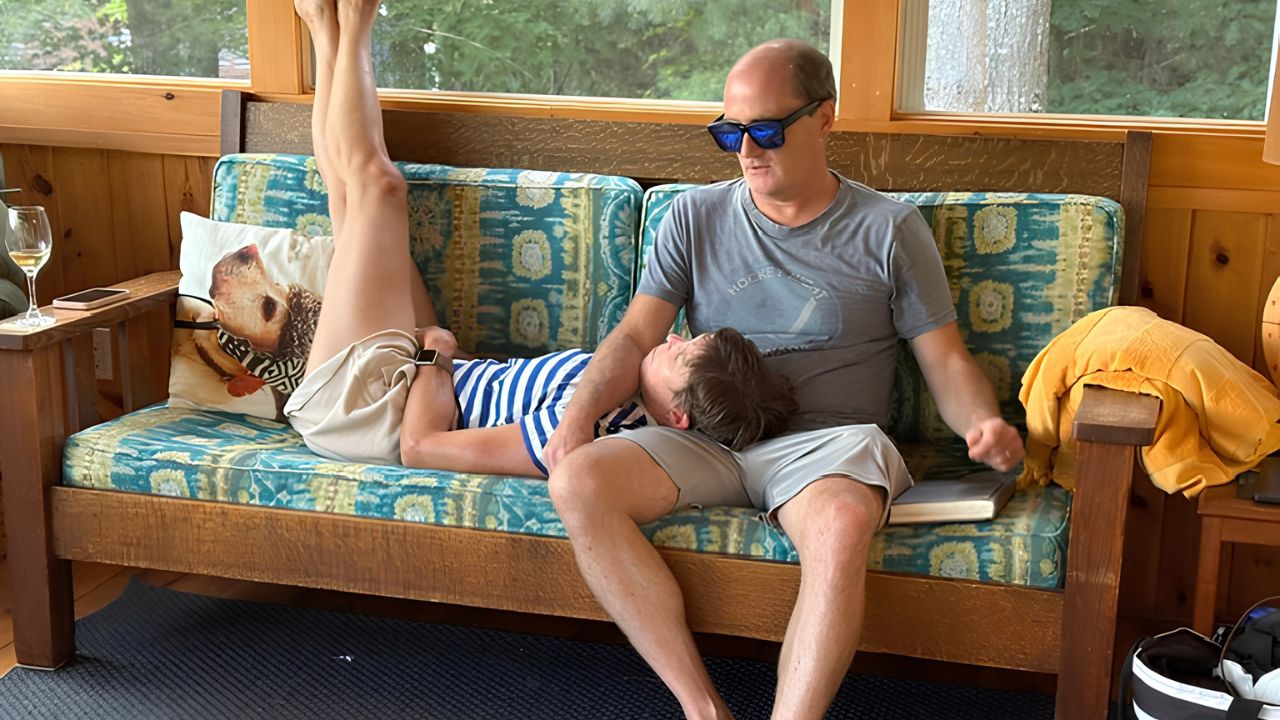
After her husband’s young onset Alzheimer’s diagnosis, Kristin Carpenter learned that preparing for the future didn’t have to mean giving up the life they were still living.
Kristin Carpenter is a high school teacher, wife, and mother living in Toronto, Canada. After her husband, Dave, was diagnosed with young onset Alzheimer’s disease in 2024, she began writing about caregiving, family life, and finding ways to live fully after a dementia diagnosis.
Last summer, my husband Dave and I stood on the cliffs above the ocean in Portugal while our adult children swam at the beach below. The wind was whipping through our hair, and for a few moments I forgot about Alzheimer’s altogether.
One year earlier, when Dave was diagnosed with young onset Alzheimer’s disease at age 52, I wasn’t sure we would ever take another family trip. I certainly wasn’t imagining a week exploring Portugal together.
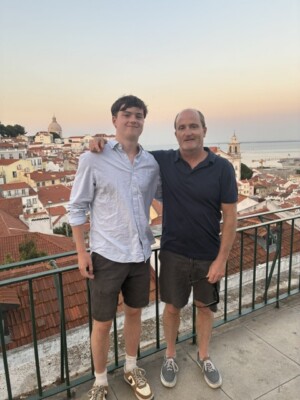
Looking back now, I realize nobody told us something important after the diagnosis: we could still have a life.
In the first months, I became consumed by everything that might lie ahead. I am a planner by nature and so I read about disease progression and future care needs. I worried about finances, legal planning and how long Dave would be able to remain independent. I tried to anticipate every possible problem, as though being prepared enough might somehow protect us.
Much of that planning was necessary. A dementia diagnosis brings practical decisions that cannot be ignored, especially when it arrives in midlife. But as I focused on preparing for the future, I began to lose sight of the life we were still living.
When people talk about Alzheimer’s, the stories often jump quickly from diagnosis to crisis. They focus on the later stages of the disease and the losses that may eventually come. What I wish someone had told me was that there could be years of living in between.
Life after diagnosis would not look exactly as it had before, but it was far from over.
Our family began learning how to make plans differently. We no longer assume that something will be possible several years from now, so we try to create things to look forward to in the near future: a family trip, a weekend at a cottage, dinner with friends or a concert. The plans do not have to be elaborate. Even putting something enjoyable on the calendar can remind us that our lives are about more than appointments and Alzheimer’s.
One of the first things we’ve learned is to keep making plans. They may not be five-year plans; they might be plans for next month or next season. But continue to imagine experiences you can share. A diagnosis can make the future feel frightening and uncertain, but it does not mean you have to stop looking forward.
We’ve also learned that adaptation is often better than abandonment. Travelling with Dave now requires more preparation. I handle the bookings and directions. We keep our days less complicated and build in time to rest. I know that unfamiliar places can be tiring for him, so I try not to pack too much into one day.
The same is true of social situations. Large groups and fast-moving conversations can be difficult, so smaller gatherings often work better. We may leave earlier than we once would have or choose a quieter setting. These changes can feel like losses at first. But different does not mean impossible.
Our trip to Portugal did not look exactly like trips we had taken before Dave’s diagnosis. I carried more of the responsibility, and I was always aware of what he might need. But we were still together. We explored new places, ate meals with our children, laughed and made memories as a family. I am deeply grateful that we went.
Perhaps the biggest lesson has been not to wait for the perfect time.
Take the trip if it is manageable. Book the cottage. Invite people over. Gather the family. Use the good days rather than saving everything for a future that none of us can predict.
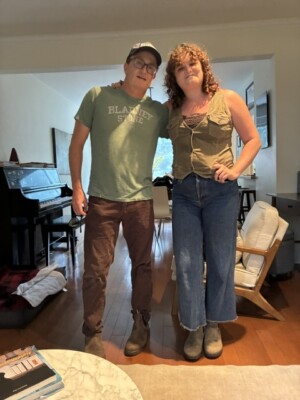
Caregivers can become so focused on protecting the person they love that life gradually becomes smaller. Sometimes caution is necessary, but fear can also make decisions for us. I have had to ask myself whether something is truly unsafe or whether I am simply afraid that it might be difficult. Often, the answer is not to stop doing something but to find a new way to do it.
I am also learning to let joy coexist with grief. There is grief in watching someone you love change. There is fear in knowing that more changes will come. But feeling happiness does not mean I am denying the seriousness of Dave’s illness. Laughing together does not mean I have forgotten what we are facing. Joy is not a betrayal of grief. Both can be present at the same time.
Most importantly, our family has also chosen not to live in the shadows of this disease. Speaking openly about Alzheimer’s can feel vulnerable, but secrecy creates its own isolation. Sharing our experience has helped us find support and connection. It has also allowed the people around us to understand that Dave is still Dave — a husband, father, friend and person with a life to live.
Alzheimer’s has taken many things from our family, and it will take more in the years ahead. But it has not taken away our ability to love each other, laugh together, explore new places and create meaningful memories.
If I could tell a newly diagnosed caregiver one thing, it would be this: Do not spend so much time mourning the future that you miss the life that is still right in front of you.
Nobody told us we could still have a life after the diagnosis. I wish they had.