
VOICES: The Early Stages of Dementia Are a Gift I Almost Missed
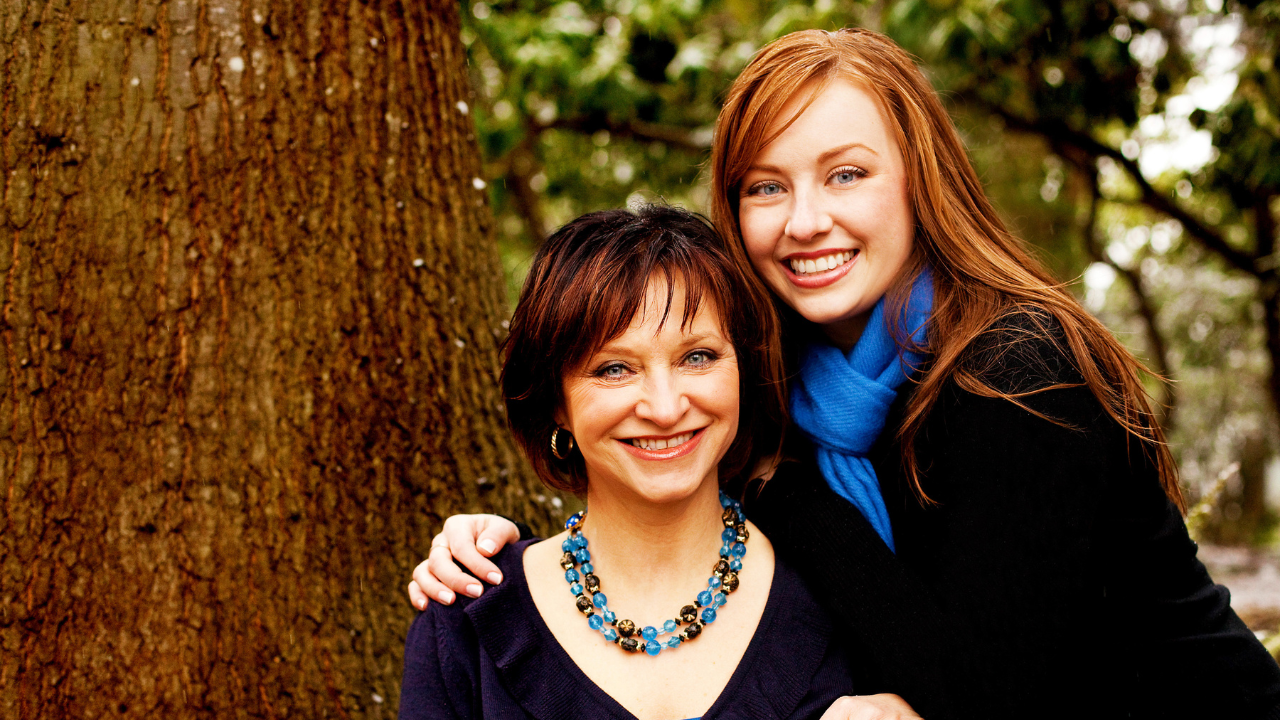
Stacey Holguin writes about the importance of pausing during the early stages of dementia and the practice of being present.
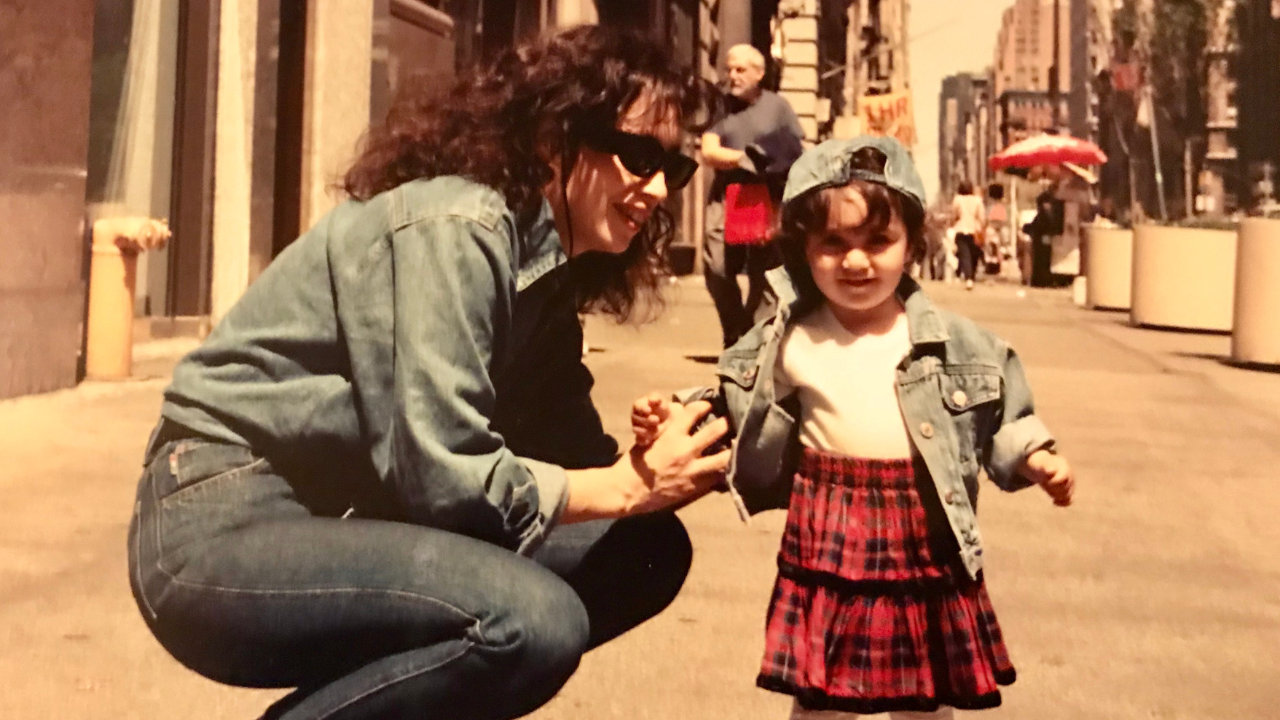
Stacey is an only child who cared for her mother, Sandy, after her early-onset Alzheimer’s diagnosis. As the founder of Navigating Dementia Care, she helps adult children navigate the legal, financial, and Medicaid planning process for long-term dementia care. Learn more @navigatindementiacare
I remember standing in my kitchen one afternoon, phone to my ear, listening to my mom tell me the same story she’d told me the day before. Word for word. I finished her sentences in my head. I felt a flash of frustration I’m not proud of.
I didn’t know then that I was already in the gift. I just didn’t recognize it yet.
My mom was a busy, capable woman, a business owner with opinions and humor and a whole life she’d built for herself. When she started repeating things, reaching for words that weren’t there anymore, I told myself it was stress. Aging. A bad week. My dad had just died suddenly. A hemorrhagic stroke on his way to work, no warning, no goodbye. I told myself she was grieving. We both were.
But the doctors would later tell me the truth: the psychological trauma of suddenly losing the love of her life had accelerated something that was already coming.
I moved back to my hometown after my dad’s death, and within months of my return my mom was living with me. I helped her retire, stop driving, and then became her care advocate, her full-time caregiver, her driver, her appointment-keeper, her financial manager, her legal aid, her personal shopper. We navigated COVID together, including seven months straight where I did not leave her side — no outside help, no break, no respite. All of it, as an only child, alone.
I was so consumed with logistics in those early months after the official diagnosis that I missed what was right in front of me.
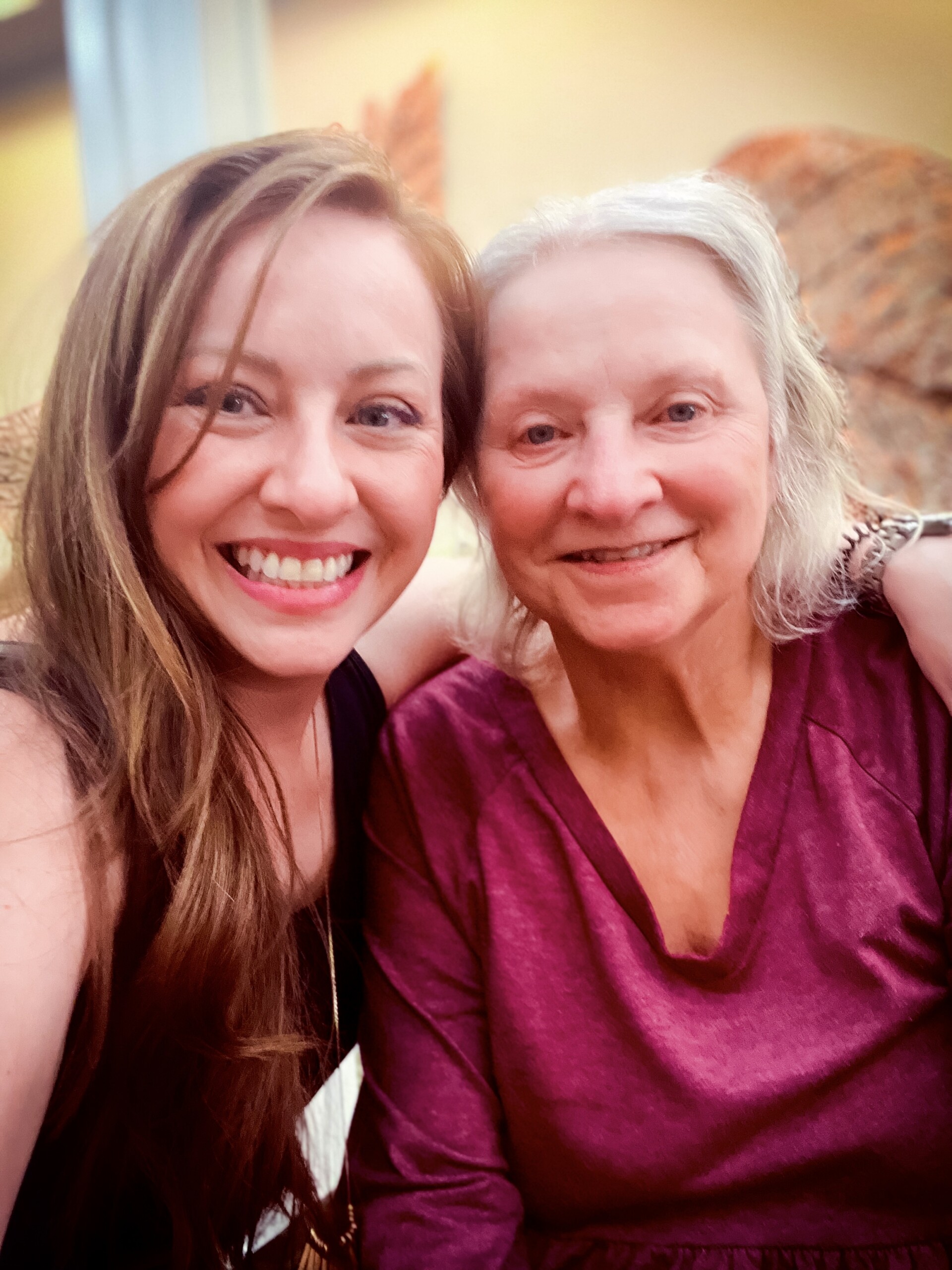
She was still her. Mostly. She still laughed. She still had preferences. She still called me by name and knew exactly who I was to her. She still had stories, even if she told them twice.
I spent so much of that window worried and frustrated and overwhelmed. Planning for what was coming instead of being in what we still had.
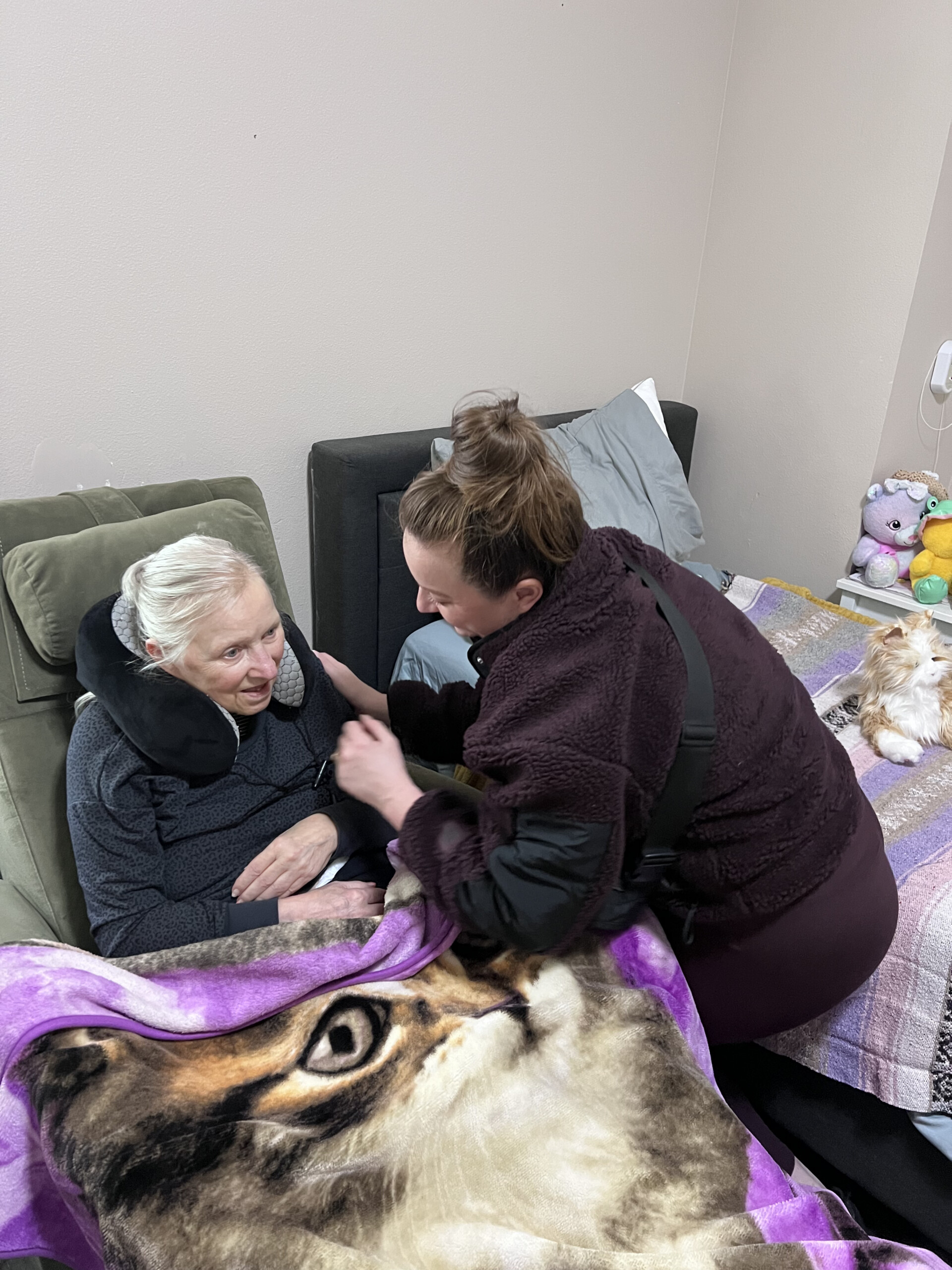
Looking back now, eight and a half years in and nearing the end of a journey that has spanned more than a decade, I wish I could go back and embrace the early stages.
If I could, here is what I would tell myself:
Record their voice. Even just a voicemail. The sound of the person you love, their laugh, the way they say your name, is something you will want more than you can imagine. It takes thirty seconds and you will be grateful for the rest of your life. My mom has been nonverbal for two years now, and what I wouldn’t give to hear her voice again.
Ask about their life. Not the caregiving logistics. Their life. Their childhood. Their marriage. The things they’re proud of. The things they regret. Write it down, or let them talk while your phone records. You are sitting with a library that will not always be open.
Take the trip. Or the dinner. Or the Sunday afternoon. Don’t wait for a better time. There is no better time. My mom always wanted to go to Europe, so I took her to London and Scotland. It was a lot to manage, but it was a dream come true for her, and some of my most treasured memories.
Have the hard conversation. Not the medical one. The real one. What do they want? What are they afraid of? What do they need you to know? People with early-stage dementia can still tell you. Ask while they can.
Sit with them longer. Five more minutes. Ten. Put the phone down. The grief of watching someone change in slow motion is its own particular kind of pain. I know it isn’t easy to be present inside that. But you will not remember what you were scrolling. You will remember whether you were there.
They will never be more themselves than they are right now.
That window is real, and it is finite, and it is a gift, even when it doesn’t feel like one.
Don’t let the worry steal it from you. I almost let it steal mine.








Great advice! Well said.
Hi Dan, thank you for being here. We appreciate your support!