Both Things Can Be True: Lessons from Childhood Grief
Liz Matthews writes about navigating her childhood while her father was diagnosed with frontotemporal dementia.
Liz Matthews, whose father lived with behavioral variant frontotemporal degeneration/dementia and amyotrophic lateral sclerosis, is an undergraduate at Lehigh University studying behavioral neuroscience and a volunteer with the Association for Frontotemporal Degeneration (AFTD). She has shared her family’s story through conference panels, podcasts, and awareness campaigns, and co-hosts the National Young Adults Support Group with AFTD. Liz plans to pursue a career that bridges public awareness and scientific research, and she can be reached via her blog, Instagram (@fouroutoffivedentists), or email (meganelizabethmatthews2@gmail.com)
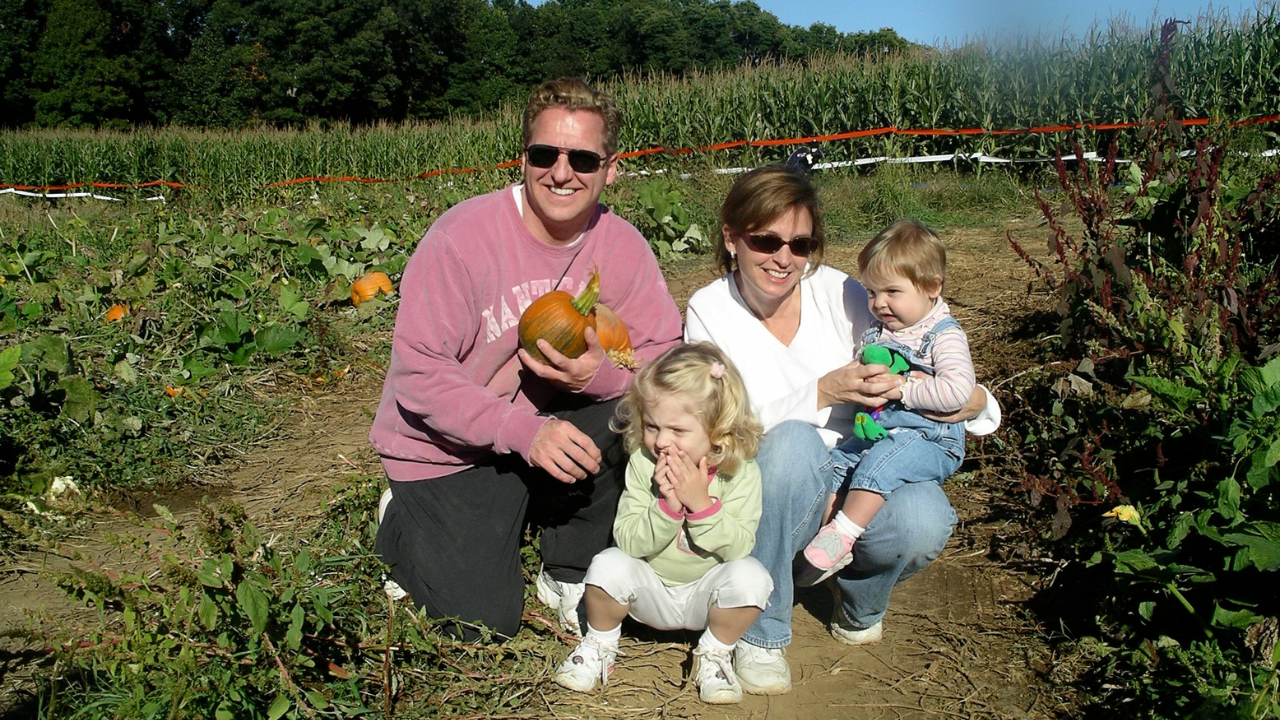
My dad had a joy for life. He was fond of voice impressions and we would laugh until our bellies hurt. He approached his work as a dentist as artwork, and turned every small moment into an adventure. Only five years after we shared moments like these, I was picking out a color for his urn.
It was devastating to live in a world where he dropped me off at school and then crashed his car (he totaled three cars in one year), or casually talked to me about a “recent conversation” with his brother who had died 30 years earlier, or when I couldn’t see him due to police-advised restraining orders.
He turned into someone who convinced his family that he hated them, then took it all back after his diagnosis, before losing his ability to talk. I spent the rest of my childhood trying to differentiate between my real dad and my sick dad, trying to balance out the trauma with the unconditional love.
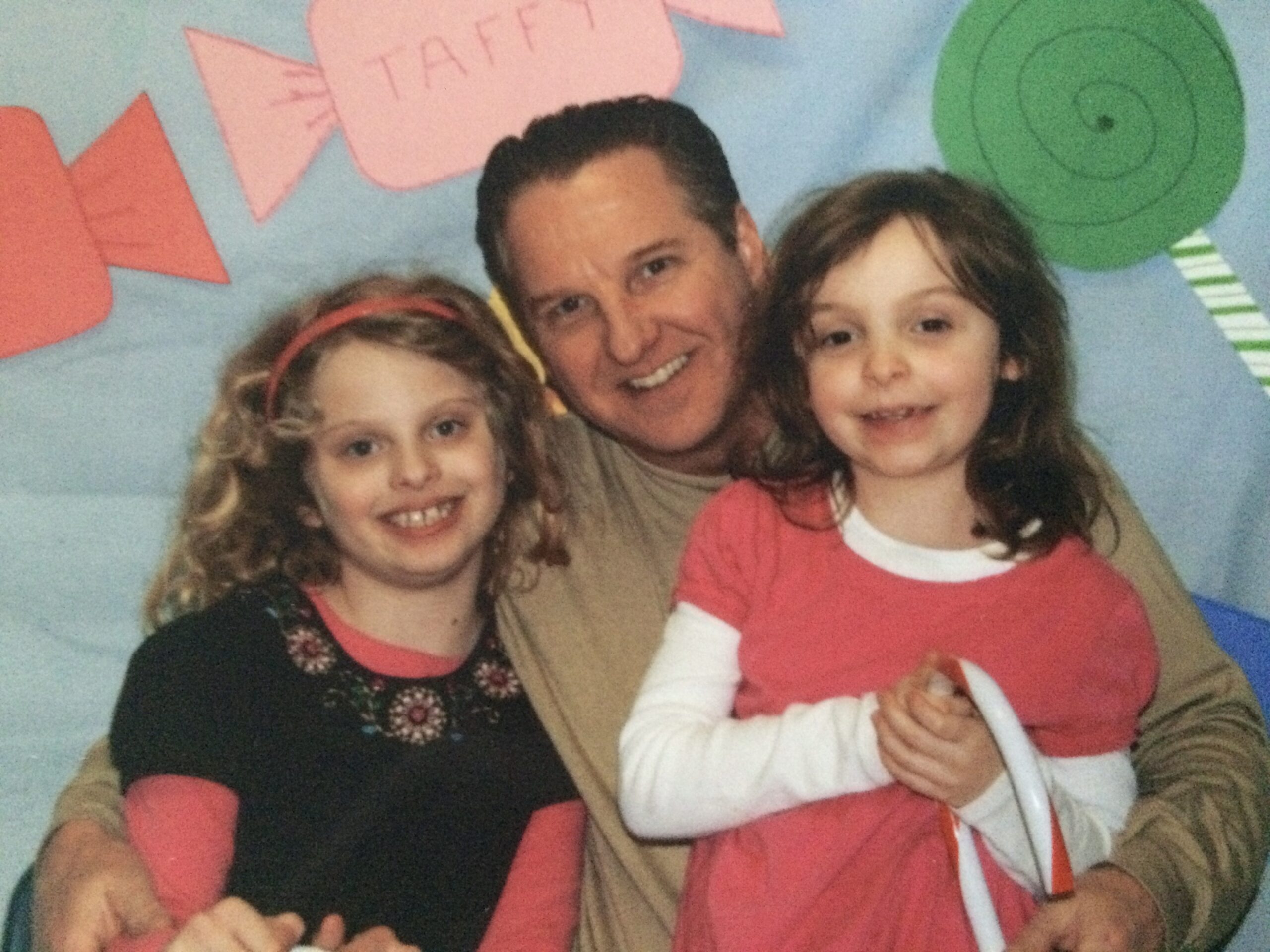
When my dad was first diagnosed, I dropped out of fourth grade. I rejoined my class the following year, but I had to figure out what to tell the other kids. Everyone thought I had moved away. Maybe I had in a metaphorical way, but that explanation wouldn’t suffice for a 10-year-old.
For several years, I pretended nothing had happened. I lied to my classmates about my dad’s condition because I was terrified of becoming known as the “sad girl whose dad just died.” I wanted to be joyful, to be funny, to roll around in the grass. Instead of playing with my friends after school, I visited nursing homes, sitting in awkward silence as my dad rotted away. I wanted my peers to understand something that I didn’t even understand myself, yet this felt impossible, so I pretended that my grief didn’t exist.
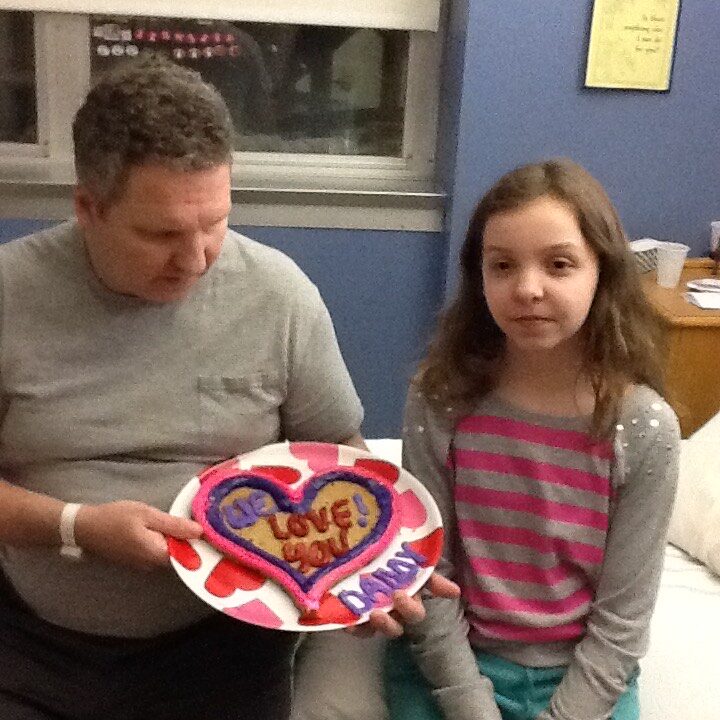
While cleaning out my room the other day, I rediscovered some of my childhood belongings dated from the years that he was dying. I was surprised by what I found. I remember those years for the heartbreak, but what sat in front of me wasn’t that at all. I had drawn characters from my favorite book series, written fictional stories based on Greek mythology, and built a model of the solar system. As I sat on the floor flipping through the old pages, something dawned on me: I’ve spent so many hours making peace with my dad’s journey, but I forgot to make peace with my own.
My younger self taught me that there are countless sides to every story. The 12-year-old girl getting tucked into bed that night after watching her dad die, convinced that she would never sleep again… she has blossomed into an advocate. Without these experiences I would never have the courage to try to build a better world for others.
This is the lesson I keep with me: for every horrific moment, resilience will inevitably bloom. There’s no pain without joy, no grief without love.