The Hidden Dementia Story in My Family’s DNA
Jackie Shapiro writes about her family's experience with frontotemporal dementia and her own experience with genetic testing.
Jackie first learned about FTD in October 2020, when her mother was diagnosed with bvFTD and learned that the progranulin (GRN) mutation was the cause, despite there being no family history of dementia. Since then, Jackie has used social media (@ftdalovestory) as a platform to educate others about FTD, advocate for caregivers and families, and discuss genetics and genetic testing.
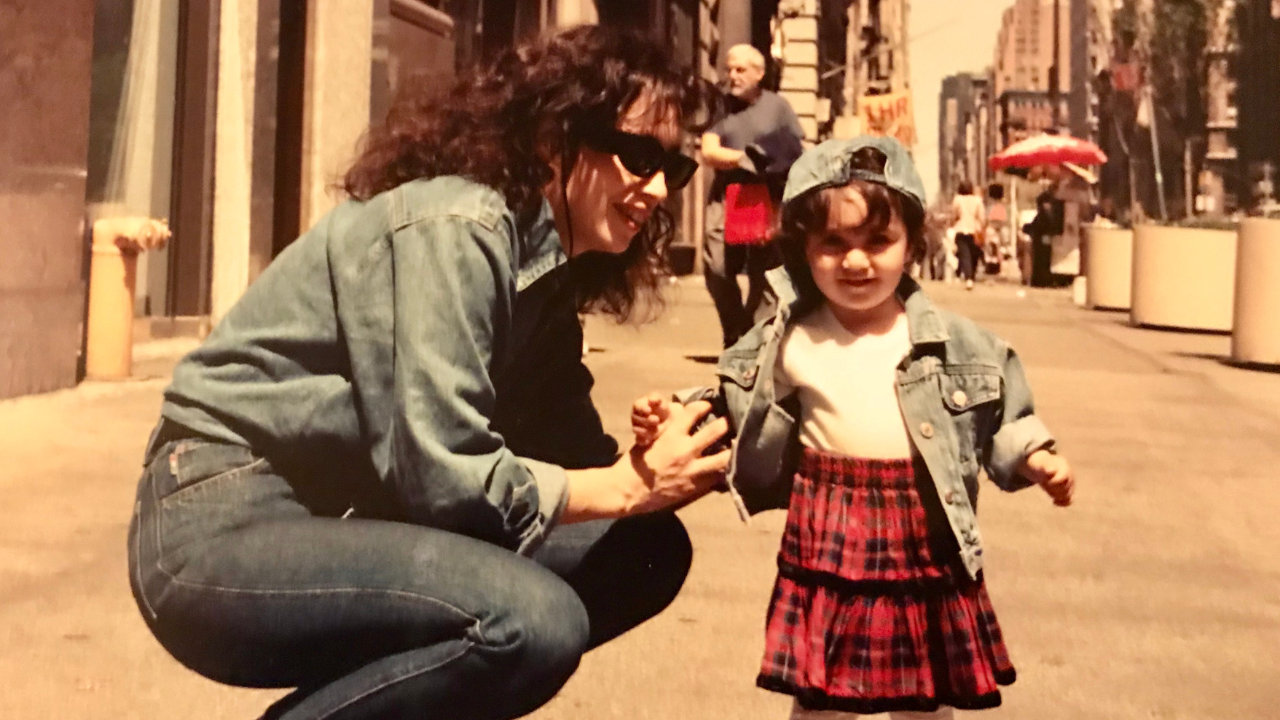
My life changed forever on Oct. 2, 2020. My mother, then just 56 years old, was diagnosed with frontotemporal dementia (FTD). She was young, vibrant, and brilliant. She ate well, exercised, and was still working at a job she loved. There was no sign, no warning. Dementia was something I associated with much older people, not my healthy, middle-aged mom.
The diagnosis was shocking not only because of her age but also because there was no family history of dementia. No grandparents, no aunts or uncles, no whispers of relatives who “lost their mind” in old age. My grandparents were alive and healthy in their 80s. My mother’s decline made no sense.
By the time my mom was diagnosed, she was already in what doctors would consider a moderate stage of the disease. By that point, her personality, her routines, and her daily functioning had shifted so drastically that the diagnosis, while devastating, almost felt like a relief because now we had a reason why. But the truth is, the signs were there much earlier. Her behavior had been changing over the past decade. We just didn’t recognize the signs for what they were.
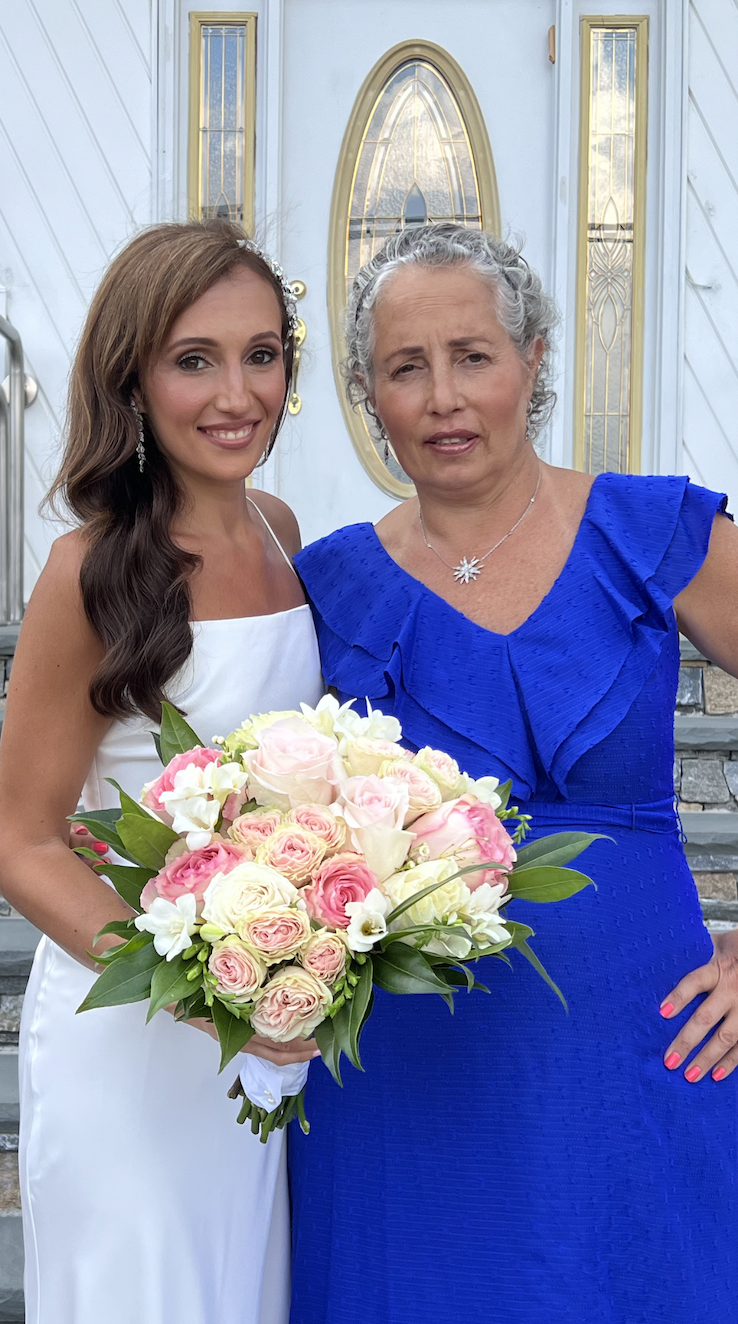
At the time, I was 30. Her diagnosis felt like a mirror being held up to me. If this disease could strike my mother out of nowhere, what did that mean for me? Was my own future now written in my DNA?
I started researching obsessively. I learned that about 60% of FTD cases are “sporadic,” meaning they happen randomly without a genetic cause, while the other 40% are linked to inherited mutations. When my family raised this concern with her doctors, they reassured us: this was most likely a sporadic case. After all, both of her parents were alive and well. If it were genetic, wouldn’t one of them have shown symptoms by now?
That answer wasn’t enough for me. I was single and dreaming of one day having children. If I carried a gene for FTD, that decision would no longer be simple. I needed certainty, not assumptions. So we pushed for genetic testing.
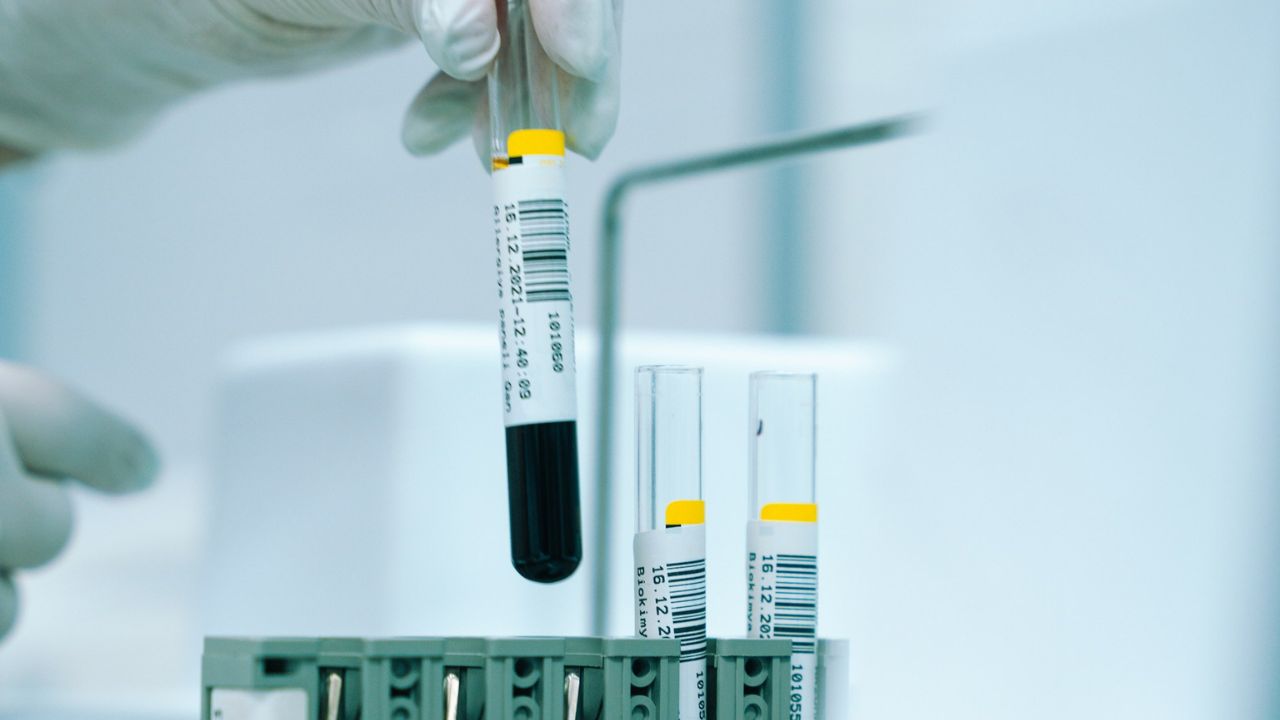
One year later, we got our answer. My mother carried a mutation in the progranulin gene, known as GRN. The news stunned her doctors. Suddenly, this “sporadic” case wasn’t so simple. The team suggested two possibilities: either she inherited the mutation from one of her parents, or it was a rare new mutation that had occurred when she was conceived.
We tested my grandparents. My grandfather, at age 83, came back positive for the GRN mutation. Against all expectations, he had lived his entire life with the same genetic mutation that devastated my mother — and yet he never developed dementia. How could that be?
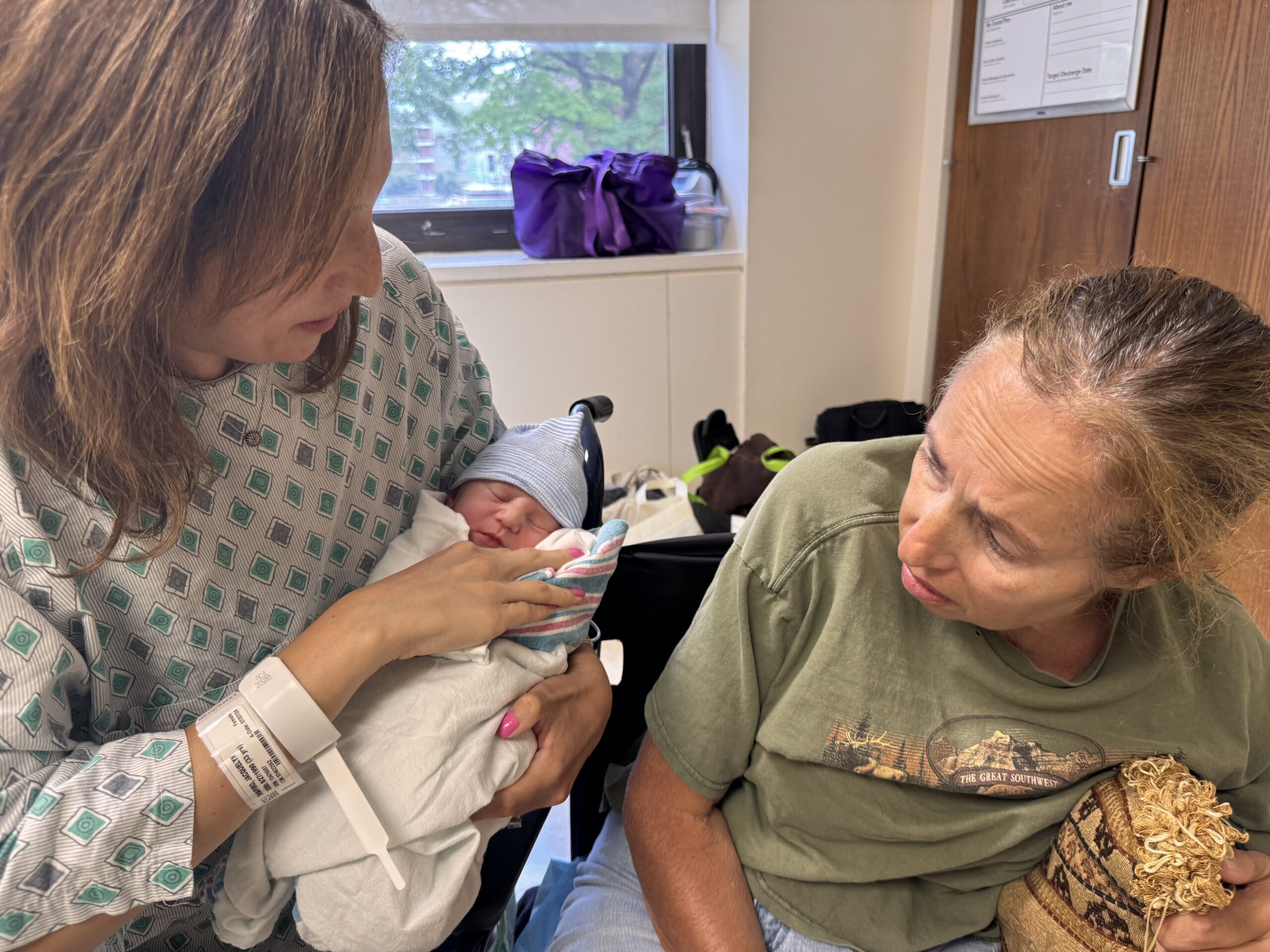
Further testing revealed the answer might lie in another gene, TMEM106B. Researchers believe that carrying two “protective” alleles of this gene may prevent FTD symptoms, even in people who carry GRN. My grandfather had both protective alleles. My mother had none. This discovery helped explain their drastically different outcomes, and it placed our family in the middle of a groundbreaking real-time case study.
The truth was, we didn’t know much about our extended family history. My family are Eastern European Jews, and much of our ancestry was erased in the Holocaust. It’s possible others carried the same genetic mutation but died before symptoms emerged, or that protective alleles shielded them the way they shielded my grandfather. Either way, the history had been hidden — until my mother’s diagnosis brought it into the open.
By 2022, I was engaged and still facing the question I had asked since the beginning: what about me? I decided to take a genetic test. I had rounds of genetic counseling to prepare myself. I thought I was ready.
When the email came saying my results were available, my stomach dropped. Suddenly, all the preparation disappeared. I invited my entire family to join me on the Zoom call to hear the news. My heart was racing, my palms sweaty, as the genetic counselor began to speak.
I was negative. I did not inherit the GRN mutation.
Relief washed over me. I felt overwhelming gratitude — but also a heavy weight. My family is large, and not everyone has been so lucky. Some have tested positive, others negative. Some carry the protective alleles, others don’t.
All the while my mom’s condition was progressing, marked by periods of rapid deterioration, followed by plateaus. In the fall of 2021, I still have videos of us dancing together in the kitchen. By 2022, she could barely walk and was shuffling her feet. By January 2023, she was in a wheelchair. Today, she cannot move her body, nor feed herself, dress, or speak.
What’s hardest, in hindsight, is realizing how much time passed before we understood what was happening. For nearly a decade, we rationalized her symptoms. We explained them away as stress, hormones, or just quirks of her personality. But FTD had been quietly, relentlessly progressing all along.
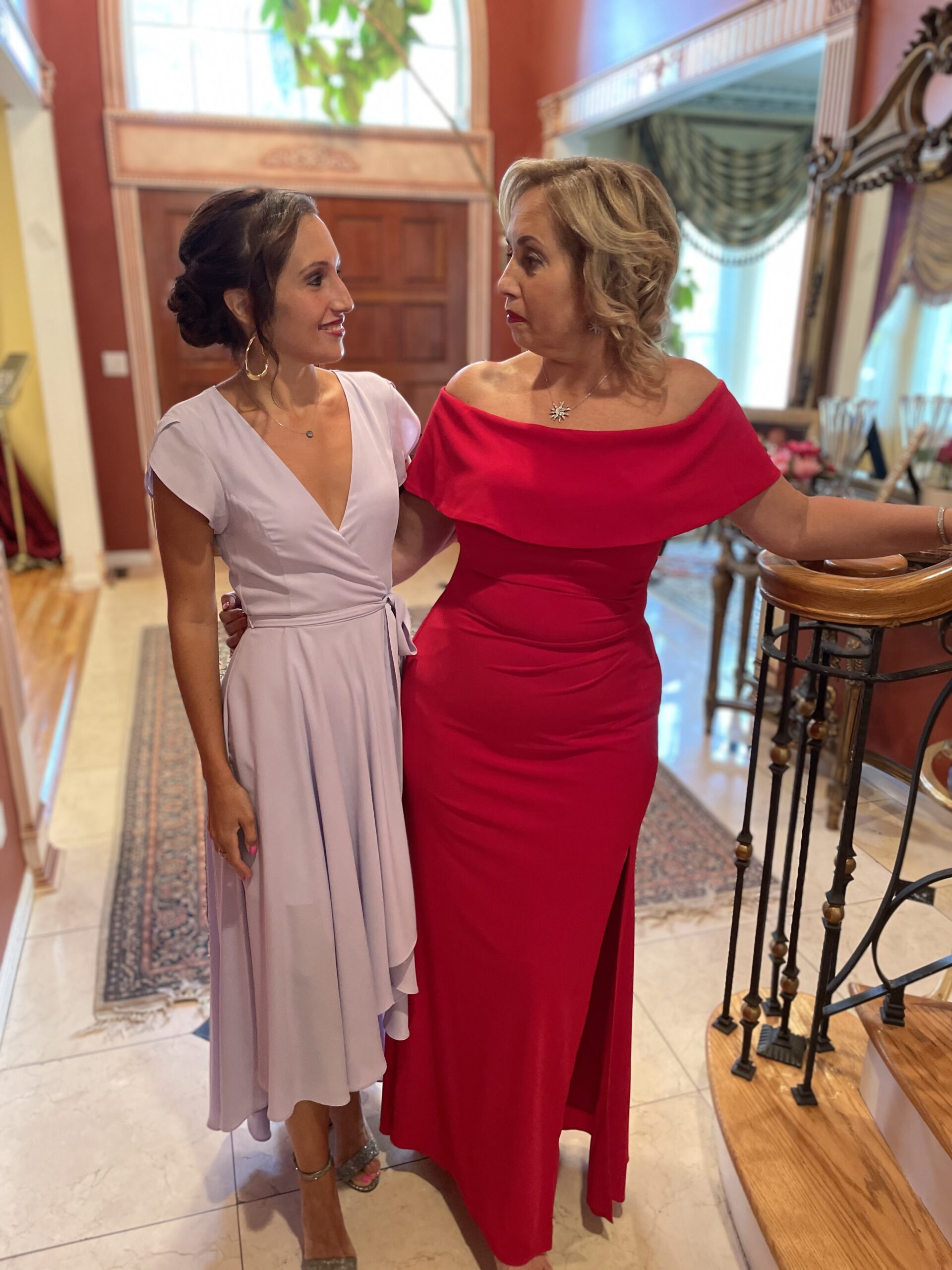
What started with my mother’s illness has now become a family-wide reckoning with our DNA.
This journey has changed me. It has turned me into an advocate for genetic testing in cases of FTD. Doctors once told us my mother’s case was sporadic. Without testing, we would never have known the truth, and I would still be living with unanswered questions about my future. Genetic information doesn’t just explain the past—it shapes how you plan for the future. In my case, it gave me clarity about family planning. For others, it could open the door to clinical trials for genetic FTD that might one day change the course of this disease.
I also know genetic testing is not an easy choice. It is deeply personal, and the answers can be life-altering. Not everyone wants to know what secrets their DNA holds. But I believe knowledge is power. In my family’s case, our DNA was hiding a story none of us knew—a story of resilience, of hidden protections, and of devastating loss.
When my mother was diagnosed, I thought the disease had appeared out of nowhere. Now I understand that it has been written into my family’s story all along. My grandfather’s protective alleles shielded him. My mother’s absence of them left her vulnerable. My own negative result freed me from that fate, but it has not freed me from responsibility. I carry our story forward, speaking out so that others might find answers sooner than we did.
Because sometimes, the key to the future is hidden in the past — waiting in the code of our DNA.