Diagnosing Vascular Dementia: How Doctors Identify Blood Vessel Damage

For vascular dementia, the second most common dementia, doctors rely on blood and cognitive tests, and brain scans to make a diagnosis and guide treatment.
Vascular dementia leaves its mark on the brain and its blood vessels without leaving behind any telltale protein hallmarks.
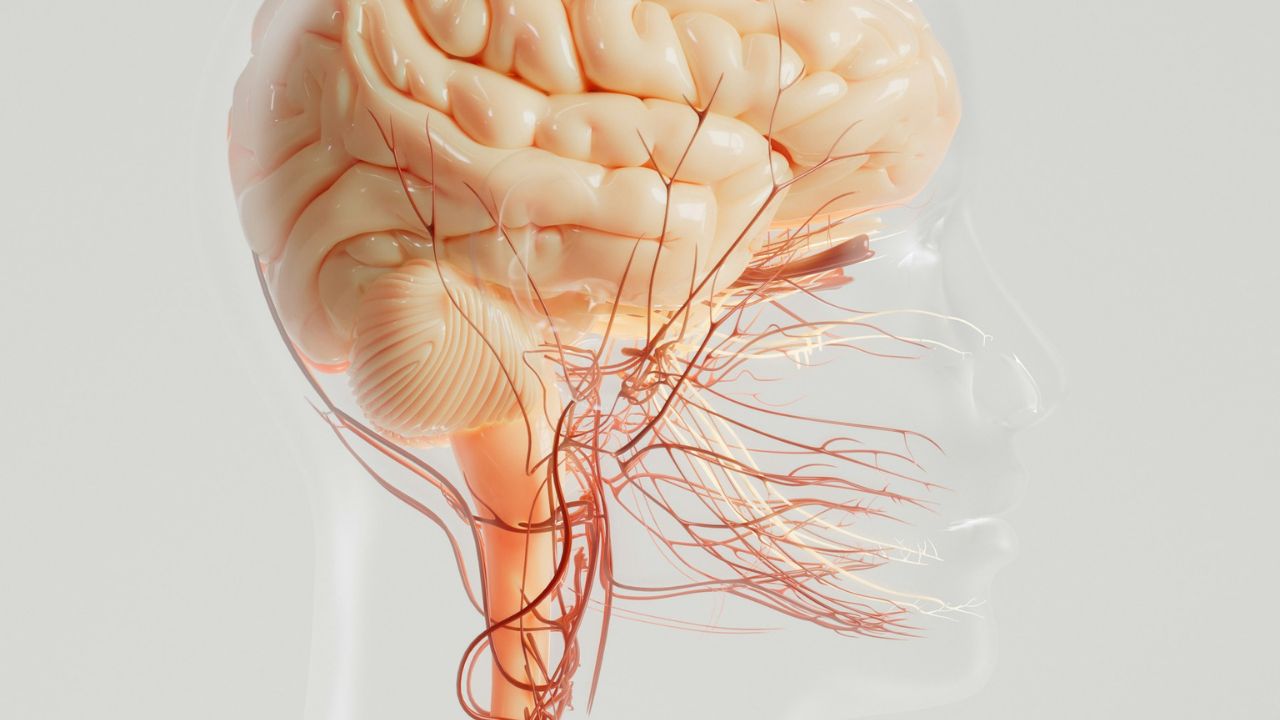
The second most common form of dementia after Alzheimer’s, vascular dementia affects 2.7 million Americans over 65. Yet there aren’t any blood, cerebrospinal fluid, or PET scans that confirm the diagnosis. Doctors rely on a clinical examination and an MRI brain scans that reveal vascular damage.
Once diagnosed, people with the disease and their families can focus on managing the disease. Various medications can treat high blood pressure or diabetes to slow the damage. When someone has Alzheimer’s alongside vascular dementia, the diagnosis factors into the decision to start anti-amyloid medications.
How doctors diagnose vascular dementia
Taking a detailed history from a patient who is having memory or thinking issues and their family, a doctor t will typically order tests first to rule out other causes.
A detailed patient history could reveal risk factors like diabetes, high cholesterol, high blood pressure, or cardiovascular disease. Blood, urine, and other laboratory tests could rule out reversible conditions like vitamin B12 deficiency, thyroid disorders, depression, and sleep apnea that can cause cognitive symptoms which mimic vascular dementia. An FDA-cleared blood test may help rule out Alzheimer’s disease.
UCLA vascular neurologist and neuroscientist Dr. Jason Hinman told Being Patient in a LiveTalk that cognitive assessments and neurological examinations provide crucial information to help doctors make a more certain diagnosis.
People with vascular dementia often struggle more with executive function — important for planning, problem solving and completing complex tasks.— than with memory. “That can be a clue,” Hinman said. A neurological exam could also test for problems with “gait, balance, and reaction time.”
This isn’t a hard-set rule. Some people with vascular dementia develop memory problems and other issues, such as language difficulties or personality and behavioral changes. To make a stronger diagnosis, doctors and neurologists often look for other hallmarks.
Some people with vascular dementia develop symptoms abruptly after a stroke. In other cases, the progression of vascular dementia symptoms are also a major differentiator. Unlike in some other dementias, the symptoms often progress stepwise, remaining stable for six to 12 months before another noticeable dropoff in cognitive or functional abilities.
MRI brain scans could detect the accumulation of vascular damage in the brain called white matter hyperintensities or microvascular ischemic disease. “These are lesions in deep parts of the brain that are generally due to problems in smaller blood vessels,a hallmark feature of vascular dementia,” Hinman said.
MRI scans also spot tumors that may cause cognitive symptoms.
Can you have other forms of dementia too?
At least one in five people with Alzheimer’s show hallmarks of vascular dementia in the brain. Other studies confirm that vascular dementia seldom exists alone — among a group of 202 Finnish dementia cases, 90 percent of people with vascular dementia also had signs of other dementias.
“Right now, we’re trying to figure out how much that impacts whether new FDA treatments for Alzheimer’s disease are likely to be more or less effective in that population,” Hinman said. “We’re participating in a large study to develop specific biomarkers so we can distinguish those two things.”
Is a blood test for vascular dementia on the horizon?
Scientists are sifting through proteins in the attempt to spot vascular dementia biomarkers. Right now, there aren’t any blood tests that accurately detect vascular dementia, but this may change in the future.
Some proteins that signal brain and vascular damage, or neuroinflammation, like NfL, GFAP, MIA, CD163, and VEGF are being put to the test.
Like Alzheimer’s, it’s unlikely that any single biomarker will work as a standalone diagnostic. Instead, it will be incorporated into the clinical workup to make diagnosis faster and more accurate.
Why early and accurate diagnosis matters
- Treatment: Many people with vascular dementia also have Alzheimer’s. But neurologists don’t know how much they might benefit from anti-amyloid treatments. A vascular dementia diagnosis could provide more information to help people decide which treatments to try.
- Lowering risks: People with vascular dementia can focus on controlling their vascular risk factors, such as getting blood pressure, cholesterol and other conditions under control to prevent further damage to the brain’s blood vessels.
- Research and future therapies: Those with a diagnosis could enroll in clinical trials to develop better biomarkers and explore disease-modifying treatments.
Learn more about vascular dementia from our LiveTalk with Dr. Jason Hinman.