
The Last Minutes Before my Mother’s Alzheimer’s Death
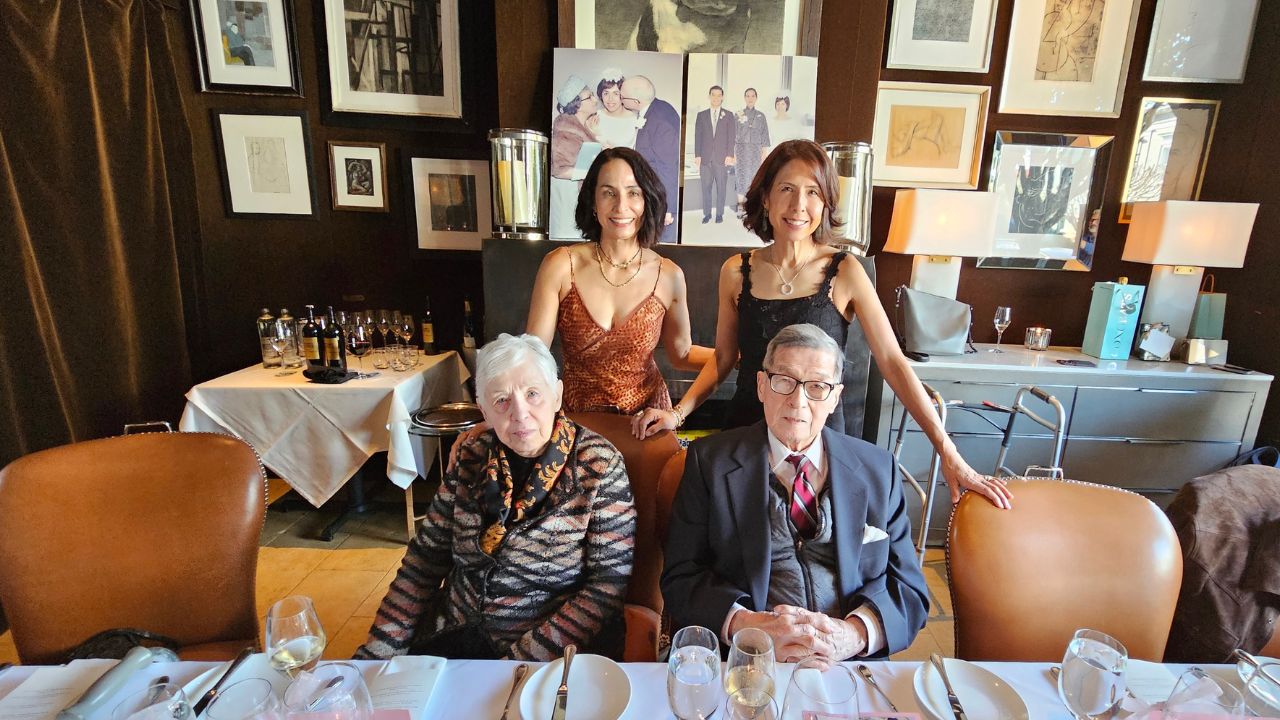
In the moment of her passing, the mother I had known all my life and feared I had lost to the disease came back to me.
My mom died last Sunday. She got up from the dinner table, walked to the bathroom, and collapsed. Her heart simply stopped. I had always prayed for a painless ending, because the thought of my mom in pain felt even worse than an Alzheimer’s diagnosis. What I didn’t understand is that, twelve years after Alzheimer’s took my mom away, I finally had her back.
One of my greatest fears as I watched my mom descend into Alzheimer’s was that memories of her illness would replace the memories of who she truly was. I hated the blank expression I was met with each time I greeted her in the late stages of the disease — a cold stare, maybe a polite smile from someone trying to place a familiar face. I am your daughter, I would say. The same courteous smile, but no real recognition. Alzheimer’s forces a cruel detachment: you cling to memories of someone you love while mourning them in real time. Their body remains, but the shared history, the connection, the knowing slowly disappears.
When my sister and I arrived at the hospital, a team of eight medical professionals was working to bring her back. The cardiac monitor emitted a faint but steady rhythm, sustained by their efforts. A doctor was pumping hard on her chest. Someone stabilized her head. Another monitored her vitals. We were warned before entering the ER that it would be traumatic — there would be blood, she would be intubated, undressed, surrounded by people. But when I first saw her face, she looked strangely peaceful. She looked like my mom before Alzheimer’s.
They kept her heart beating, but I could see from her expression that she was already at rest. I yelled for the medics to please stop. The ER doctor called for the team to stand down. I knew this fight to keep her alive was no longer serving her. The room fell into silence. It’s okay, Mom. You can go. We’re here. We love you, I cried.
Within seconds, she flatlined. And somehow, in that moment, I felt more connected to her than I had in over a decade.
Losing someone to Alzheimer’s is a profound contradiction. I feel relief knowing my mom no longer has to endure this disease. I am grateful she didn’t suffer a prolonged, painful death. And I am comforted by the fact that, in the end, memories of my real mom came rushing back — the woman I went to for advice, my biggest cheerleader, the person who taught me that a strong will could carry you anywhere, and to never give up.
“Within seconds, she flatlined. And somehow, in that moment, I felt more connected to her than I had in over a decade.”
The doctor later told us that Alzheimer’s would be listed as the official cause of death. That doesn’t sit right with me. It feels like a scarlet letter for a disease that had already taken so much. My mom was a force of life. Her death doesn’t define her — it releases her. And in that release, something remarkable happened: the memories of who she was finally replaced the memories of who Alzheimer’s made her become.
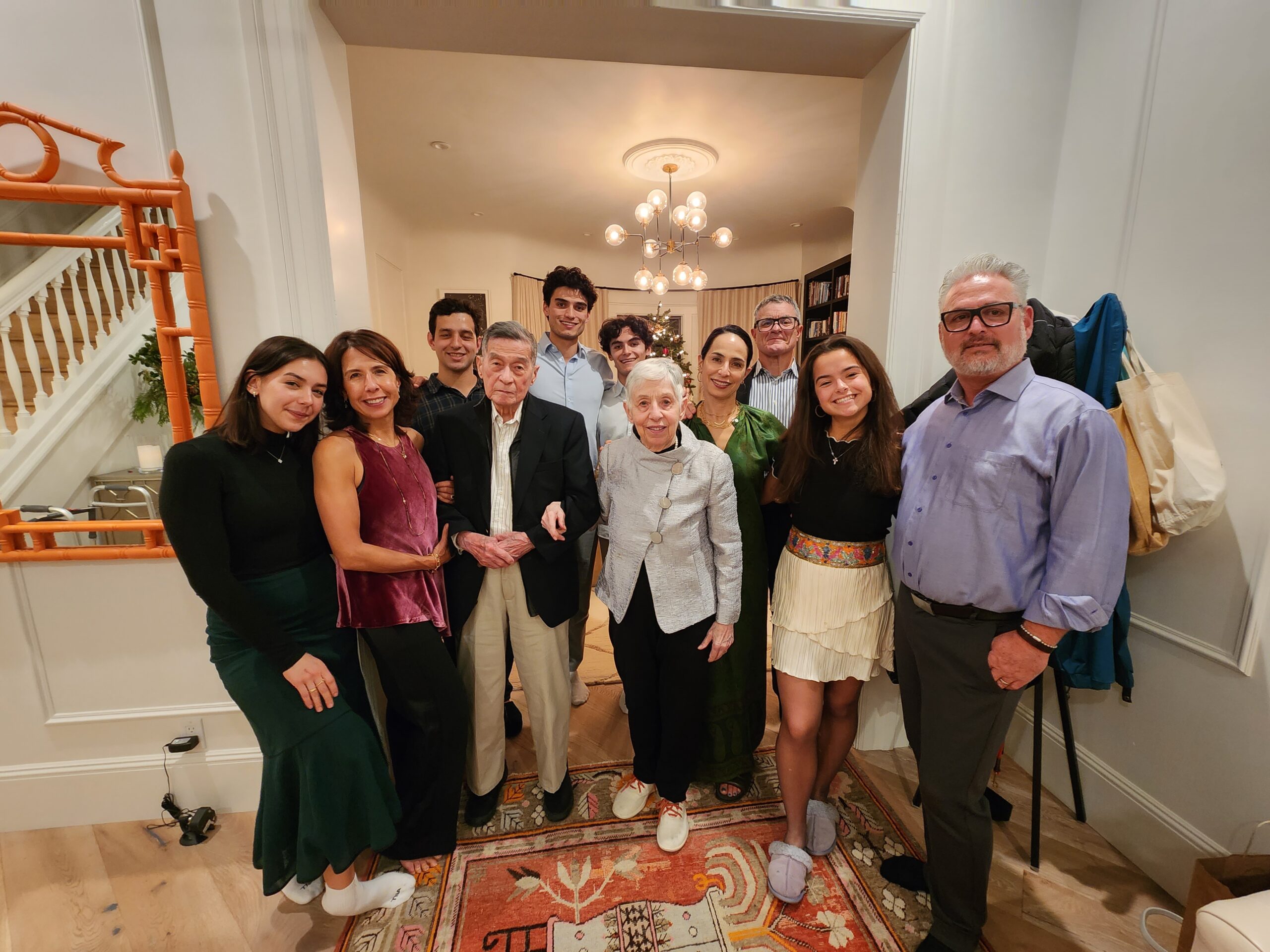
Mom, your spirit and legacy lives inside all of us, especially your two daughters and five grandchildren. Alzheimer’s is no longer a part of us. Fly free.
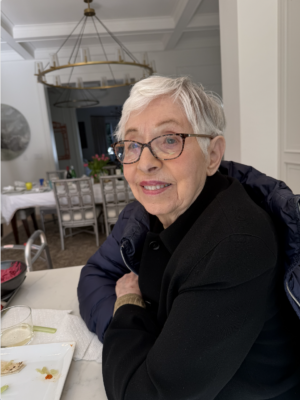
Alvera Kan, March 16, 1929 – December 14, 2025
Deborah Kan is the founder and executive editor of Being Patient, a news and community platform dedicated to brain health and dementia. She launched Being Patient after her mother’s Alzheimer’s diagnosis, to create a clearer, more trusted resource for the millions of people worldwide impacted by dementia.
FAQs
Caregivers may talk about shared memories, tell their loved one what they mean to them, create an environment that meets their preferences, including playing music or ensuring that noise levels are low. Caregivers can look to address any signs of miscomfort and report any symptoms or issues to hospice staff.
Terminal lucidity is described as a phenomenon in which some people with dementia suddenly become able to engage in meaningful conversations, share memories, and make jokes. Scientists have struggled to explain why it happens, and these episodes are temporary and do not represent a reversal of neurodegenerative disease.







Thank you so much for sharing, Deborah.