Japan Gives Conditional Approval to First Stem Cell Therapy for Parkinson’s
The treatment reached the market following a small seven-person trial, prompting discussion about the strength of the evidence.
The first stem cell therapy for Parkinson’s, the second most common neurodegenerative disease after Alzheimer’s, has received conditional approval in Japan, becoming the first regenerative therapy of its kind to reach the market. The decision by the country’s regulatory agency was based on results from a seven-person trial of Ampchepry, developed by Sumitomo Pharma and Ratchera.
But some experts caution the approval was given on limited data.
“This is an irreversible process so these patients cannot cease the therapy or have it removed if there was some longer term adverse effect,” Dr. Bryan Ho, neurologist and director of the Movement Disorders Program at Tufts Medical Center, told Being Patient. “In the past there have been other studies which had very equally exciting initial data,” but those didn’t pan out, he added.
Reprogramming stem cells to treat Parkinson’s
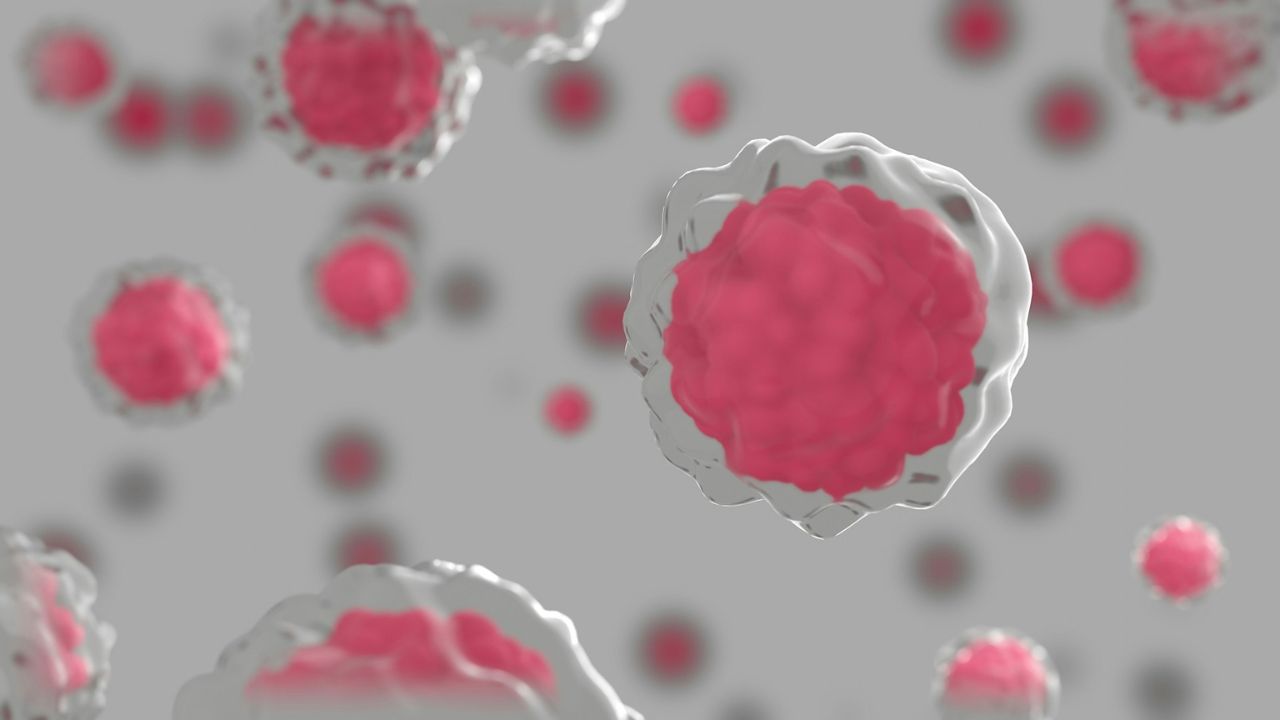
Our bodies are the product of cells dividing over and over again, specializing into specific cell types to form organs. Stem cells are those cells that continue to divide and turn into new cells.. Since the 1960s, scientists have tried to harness this regenerative capacity to replace cells lost to disease.
“Stem cells have been viewed as the holy grail for a lot of neurodegenerative disorders, being a way to potentially provide a restorative treatment for these conditions,” Ho said.
Now, scientists can take blood cells from healthy people and use a cocktail of proteins, called transcription factors, to turn them back into stem cells. With additional signals, these stem cells are coaxed into becoming the dopamine-producing cells that have died off in Parkinson’s. Last year, two small proof-of-concept studies showed that surgically implanting these cells was safe, setting the stage for definitive Phase 3 trials which are required for approval in many countries.
One of these two studies, published by Japanese researchers, is at the center of this conditional approval. In the study, four of the seven participants showed improvements in some symptoms after the transplantation. However, the study wasn’t designed to test whether the treatment was effective.
“Overall, I think it is premature to claim efficacy, although these findings are encouraging,” Dr. Alfonso Fasano, neurologist and researcher at UHN’s Krembil Brain Institute, told Being Patient.
There was no “sham surgery” in the trial, meaning that every participant knew they received the treatment, so there was no placebo control group.
“Parkinson’s historically has a very high placebo response rate,” said Ho. “The proof of concept can be very sound, but within the arena, it may not necessarily pan out.”
Conditional approval in Japan
In Japan, regenerative medicines like stem cells can reach the market faster than in the U.S. and Europe. After exploratory trials, their developers may secure “conditional and time-limited” approvals that allow them to sell treatments for seven years to a limited number of people while tracking safety and effectiveness.
“I personally think it is a bit ambitious to offer this conditional approval,” said Ho.
Hiroshi Kawaguchi, an orthopaedic surgeon at Nadogaya Hospital in Chiba, Japan, told Nature that the conditional approval pathway for stem cell therapies shifts the financial and ethical burden of developing new treatments from companies onto patients, taxpayers, and insurers. He warned the approach may undermine the quality of any clinical data collected from the people who opt to receive it.
While in support of stem cell science, “I question premature commercialization with insufficient evidence,” Kawaguchi told Nature.
People who receive this surgery may need to take immunosuppressive drugs to prevent the brain’s immune system from rejecting and attacking the transplanted cells, adding further risks and burdens, Ho said.
If this treatment ultimately doesn’t work, it may dampen enthusiasm for stem cell based therapies among patients. “In the past, we’ve seen similar scenarios that also fueled disappointment and discouragement among patients,” said Fasano. “Public education about the fact that the results of one approach do not automatically apply to all other ones would go a long way.”
Meanwhile other stem cell therapies for Parkinson’s are progressing through more rigorous testing. BlueRock Therapeutics’ bemdaneprocel, another experimental stem cell therapy, is recruiting participants for a Phase 3 trial that will include a “sham-surgery” group to better account for placebo effects. The study is set to conclude in 2027.