The Challenge of Diagnosing Frontotemporal Dementia
Without definitive biomarkers and with many distinct subtypes, getting a correct FTD diagnosis often takes years. It requires specialists to assess symptoms and run blood tests, genetic tests, cognitive tests, and brain scans.
Frontotemporal dementia (FTD), also known as frontotemporal lobar degeneration, is a group of relatively rare dementias, accounting for 10 to 15 percent of all cases worldwide. Since there are many subtypes with symptoms overlapping with other medical conditions, many people with FTD wait more than three years for an accurate diagnosis.
Unlike Alzheimer’s, where brain imaging, blood tests, and lumbar punctures help confirm the diagnosis, there are far fewer tools for diagnosing FTD. Clinicians rely on detailed medical history, symptom evaluation, and a collection of other medical tests to make the call.
Why it takes so long to diagnose FTD
Since FTD affects behavior and personality, the symptoms are easily confused with psychiatric conditions or vitamin deficiencies. For example, the most common form, behavioral variant frontotemporal dementia (bvFTD), may lead to apathy, loss of empathy, and impulsive behaviors that might be misdiagnosed as bipolar disorder. Meanwhile, rarer movement related forms of FTD have symptoms resembling LBD or Parkinson’s.
Since there are still no specific brain, cerebrospinal fluid, or blood biomarkers for FTD, clinicians need to rely on their medical judgment. As a result, the diagnosis relies on taking a medical history, carefully assessing symptoms, and brain imaging for more certainty. Since some forms of FTD, like primary progressive aphasia (PPA), are very rare, Massachusetts General Hospital’s Dr. Brad Dickerson told Being Patient that some doctors might only see two or three such patients over their entire career. As a result, it might be important to see a specialist who is confident in making the diagnosis.
How doctors diagnose frontotemporal dementia
Unlike Alzheimer’s, there is no easy-to-follow blueprint for a diagnosis. The Association for Frontotemporal Dementia has developed checklists to help people and their healthcare providers spot some of the signs of different subtypes.
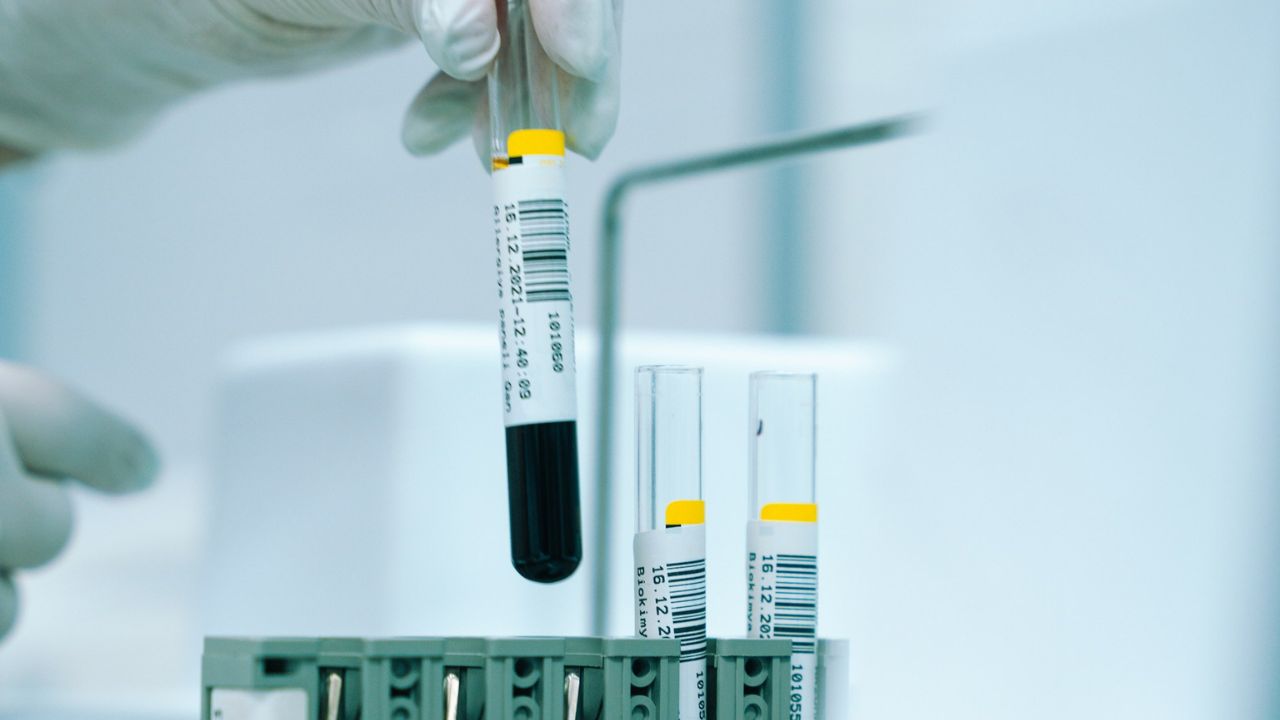
In addition to taking a medical history, diagnosis involves running laboratory tests to rule out other diseases, deficiencies or conditions, genetic testing in case of a family history, and brain imaging.
Diagnosing behavioral variant FTD
bvFTD is characterized by progressive changes in behaviour, personality, cognition, or other symptoms, indicating degeneration. Doctors often spot these symptoms themselves or by speaking with family members.
Doctors look for at least three hallmark changes affecting behavior, personality, or cognition. These signs include:
- Socially inappropriate behavior, loss of manners, or impulsive actions
- Loss of interest or apathy in general
- Loss of sympathy or empathy
- Compulsive or repetitive behaviors
- Changes to food preference and eating patterns
- Trouble with cognitive/memory/visuospatial tasks like navigation.
To make a more confident diagnosis, specialists will need to use a questionnaire to measure decline in the ability of day-to-day tasks and use brain imaging to confirm shrinkage or changes in metabolism in the frontal and temporal of the brain.
Diagnosing primary progressive aphasia
PPA, a rarer form of FTD, primarily affects language abilities. The first step a specialist will take is confirming that these changes can’t be explained by any other medical or psychiatric conditions.
To get the diagnosis, an individual must have all of the following signs: Progressive difficulty with language, language must be the most prominent symptom and deficit early on, and the language deficit is leading to problems in daily life. A PPA diagnosis is ruled out if there are other major cognitive, memory, or behavioral symptoms.
The specific types of language difficulties help doctors figure out what type of PPA an individual might have. For example, some people might have trouble understanding the meaning of words and naming objects while still speaking fluently. Others may have difficulty speaking, leading to slower and more hesitant speech, alongside grammatically incorrect sentences.
To support the diagnosis, doctors will also use a questionnaire to assess the level of difficulties a person experiences in their day-to-day life and use brain imaging to look for characteristic signs of PPA in the parts of the temporal lobe responsible for language.
Diagnosing amyotrophic lateral sclerosis with FTD
In some cases, people develop both ALS and FTD. If someone receives an ALS diagnosis and exhibits the symptoms of bvFTD or PPA, a specialist may diagnose them with this form of the disease.
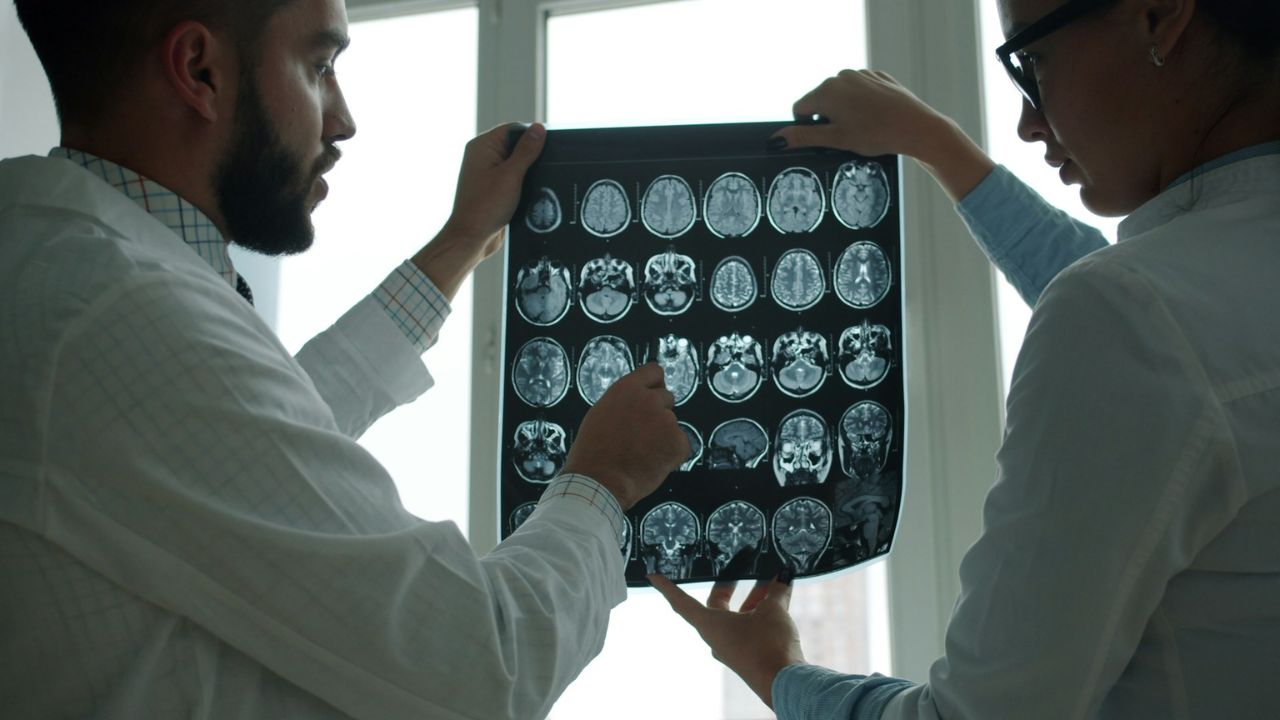
Brain imaging biomarkers for FTD:
These brain scans and imaging tests can help doctors gain more certainty about a diagnosis.
- CT or MRI brain scan: These tests could help differentiate between FTD and other forms of dementia. In FTD, the frontal and parts of the temporal lobe are shrinking and dying while other parts of the brain are intact.
- PET and other tests of brain metabolism: If these tests show that the brain is using less energy than normal in the regions that die off across specific forms of FTD, it is a potential sign of the disease.
“Usually, a brain MRI scan might be plenty to make a diagnosis confidently of FTD early in the course of the illness,” said Dickerson.
Ruling out other diseases
When doctors take a medical history, clinical examinations, and run different blood tests to help rule out other conditions like low levels of thyroid hormones or B12 deficiency, that cause similar symptoms.
There are lots of overlaps in symptoms with Alzheimer’s, but the timing of the symptoms could provide an additional clue. FTD typically begins a decade or two before the onset of Alzheimer’s. In addition, most often behavioral and language-related changes precede memory impairments.
While ruling out diseases is important, doctors also recognize that some forms of dementia often co-occur. Many people develop mixed forms of dementia and may have Alzheimer’s alongside FTD.
Emerging biomarkers: What’s on the horizon?
Research is underway to identify proteins in the saliva, blood, or other tissues that could provide a more accurate diagnosis faster.
Why early and accurate diagnosis matters
- Treatment implications: People with FTD don’t benefit from treatments for other forms of dementia. An accurate diagnosis could streamline people toward speech and occupational therapy, as well as medications that could help manage symptoms.
- Care planning: Awareness of symptoms — like impulsivity or speech problems — helps caregivers plan and communicate effectively.
- Research and future therapies: Better diagnostic tools fuel clinical trials, including those seeking disease-modifying treatments.
Ready to go deeper? Learn more from our LiveTalk with Katie Brandt and Dr. Brad Dickerson.