An In-Ear Device Could Track Waste Clearance in the Brain
Using a non-invasive wearable device, researchers modeled the flow of the brain’s glymphatic system, linking it to changes in blood biomarkers of Alzheimer’s after sleep.
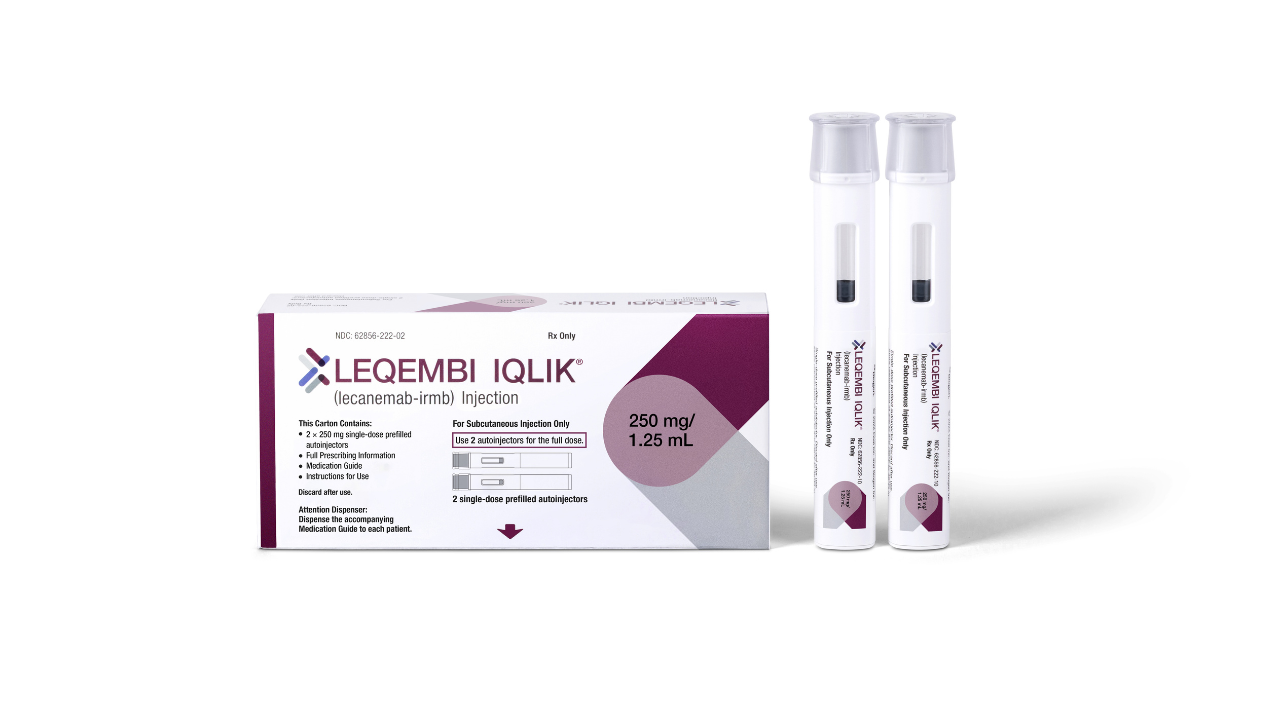
Alzheimer’s anti-amyloid therapies like Leqembi and Kisunla clear out toxic forms of beta-amyloid from the brain. What if we could boost the brain’s internal waste clearance mechanisms so that the body could do the job on its own?
In 2012, scientists discovered the glymphatic system — a network of biological plumbing channels around the brain’s blood vessels — introducing a new waste clearance mechanism for the brain. Rat and mouse studies show that this system is active at night, though tracking it in humans remains challenging.
“There have been a number of really interesting findings on glymphatic biology, all in rodents, demonstrating the importance of this clearance mechanism,” said Dr. Paul Dagum, CEO and co-founder of Applied Cognition, who speculates that it could also clear out the hallmark proteins linked to Alzheimer’s and other dementias.
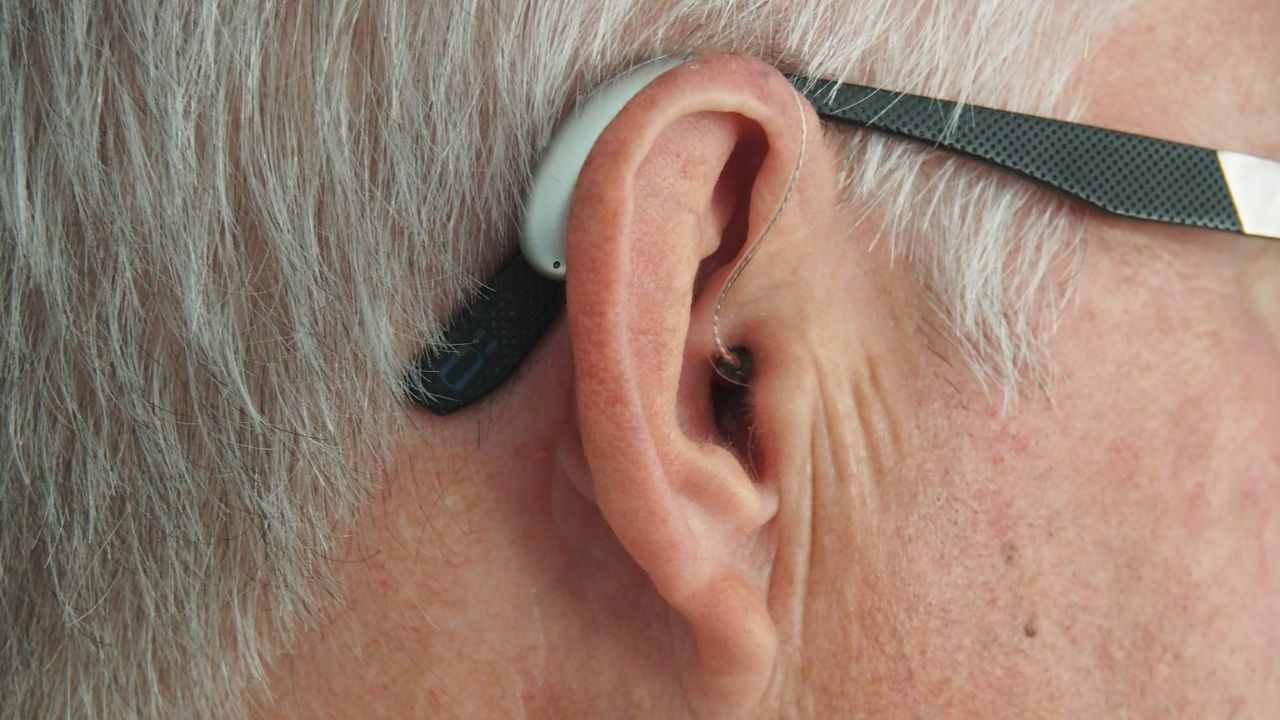
His team’s recent study published in Nature Communications used an in-ear device as a proxy measure of glymphatic flow.
In older adults, the glymphatic flow in models was correlated with changes in Alzheimer’s blood biomarkers after a night of sleep. Better sleep leads to higher levels of blood biomarkers in the morning, suggesting that the glymphatic system might be responsible for clearing out these proteins. These findings provide more evidence that enhancing waste clearance in the brain may help treat Alzheimer’s.
Measuring the glymphatic system with an in-ear wearable device
Dagum and his colleagues recruited 39 healthy adults around age 60. Each participant underwent one night of normal sleep and one night of disrupted sleep. They collected blood samples to measure Alzheimer’s biomarkers each night and in the morning. Participants also wore an in-ear device developed by Dagum’s company, Applied Cognition.
The device records brain waves to assess sleep quality, how well the brain’s blood vessels are pumping, and how easily fluid-carrying waste can flow within the brain. “All three need to be aligned for glymphatic flow to occur,” said Dagum.
In the morning, the levels of tau and beta-amyloid biomarkers rose in the blood. The biomarkers increased more after a good night of sleep and less after disrupted sleep. Together with the data modeling glymphatic flow, the results suggest that good sleep promotes waste clearance in healthy older adults.
Other researchers have published similar findings, showing that healthy sleep is crucial to clearing Alzheimer’s-linked proteins.
A 2018 study demonstrated this effect using gold-standard imaging techniques while a 2025 study use cerebrospinal fluid biomarkers. But neither of these studies investigated whether the glymphatic system was responsible.
Dagum’s team is now planning a follow-up study at Washington University in St. Louis using these measures in people with early Alzheimer’s.
“The study uses a very cool new experimental device, worn in both ears, that measures resistance through the brain, as well as EEG and other measures, to provide an estimate of brain glymphatic clearance,” Dr. Tracy Butler, a neurologist and neuroscientist at Weill Cornell Medicine told Being Patient.
While the device measures changes related to brain fluid flow, she isn’t completely convinced by the study. “There is too much uncertainty about what changes in blood biomarkers mean,” particularly when compared to gold-standard amyloid PET scans.
Since the researchers used proxies to measure both glymphatic flow and Alzheimer’s proteins, we can’t be certain that the changes reflect glymphatic clearance of these proteins during sleep, Butler said.
Turbocharging waste clearance to treat Alzheimer’s
Dagum and his team have their eyes set on developing new Alzheimer’s treatments that act on the glymphatic system.
He told Being Patient that he’s in the process of publishing a trial using a fixed dose combination of two drugs, a sedative dexmedetomidine and midodrine to increase blood pressure, to modulate the glymphatic flow in healthy people — proof-of-concept before trialling it in people with early Alzheimer’s.
In China, some neurosurgeons have popularized a neck surgery called deep cervical lymphatic-venous anastomosis to boost glymphatic flow and treat Alzheimer’s. But the evidence supporting the safety and effectiveness of the surgery is murky. As a result the Chinese government banned its routine use in July 2025 until it could be properly tested.
At Yale University, plastic surgeon Dr. Bohdan Pomahac, who performed the first full face transplant in the U.S., is planning a safety study in five patients alongside Yale’s Alzheimer’s Disease Research Center. If that goes well, a larger trial may be on the way.
Despite all the excitement over the glymphatic system, there still isn’t broad agreement on how to measure its flow. “First we need to resolve how to measure it accurately,” said Butler. “But, meanwhile, one simple way to probably boost clearance that is good for you anyway is exercise.”