GLP-1 Drugs and Brain Health: Can They Reduce Alzheimer’s Risk?
Researchers are exploring whether GLP-1 medications used for diabetes and weight loss could treat Alzheimer’s and addiction, but public concerns persist about long-term safety.
Diabetes damages the brain’s blood vessels and neurons while obesity increases inflammation, which may increase the risk of dementia. Meanwhile, problems with impulse control are central to addiction. Could one class of drugs treat them all?
GLP-1 drugs — glucagon-like peptide-1 receptor agonists like Wegovy and Mounjaro — have taken the world by storm. Nearly one in five American adults have taken one of these drugs for weight loss, diabetes, or other chronic conditions at some point.
Studies of electronic health records suggest these drugs might have miraculous properties that could treat everything from Alzheimer’s and addiction. Though semaglutide, the active ingredient in Wegovy, failed in massive clinical trials to treat early Alzheimer’s, other neuroscientists are still holding out hope — and other drug companies are eager to run more clinical trials combining it with other treatments.
But the history of weight loss drugs gives some individuals pause over GLP-1s. Decades of “miracle solutions” promising dramatic results, like Wyeth’s “fen-phen,” which lead to heart failure.
Will the popularity of GLP-1s backfire, especially as scientists attempt to see if they could treat the brain? We asked experts to weigh in on the data about side effects, lawsuits, and alarming headlines.
How the buzz began
GLP-1 drugs came onto the market for treating diabetes. The drugs mimic a naturally produced hormone called GLP-1 which regulates hunger, slows digestion, and regulates insulin release. Large diabetes trials showed that the drugs were not only effective at lowering blood sugar but also led to some weight loss, reduced the risk of death, heart attack, and stroke.
The findings “set off a tidal wave of a new intense study,” Dr. Jason Alexander, a primary care doctor and an associate professor of medicine at the University of Chicago, told Being Patient.
Pharmaceutical companies developed more powerful versions. “It’s really been in the past five years that we’ve had GLP-1s that show significant weight loss,” Dr. Heather Ferris, a clinical endocrinologist and scientist at the University of Virginia told Being Patient.
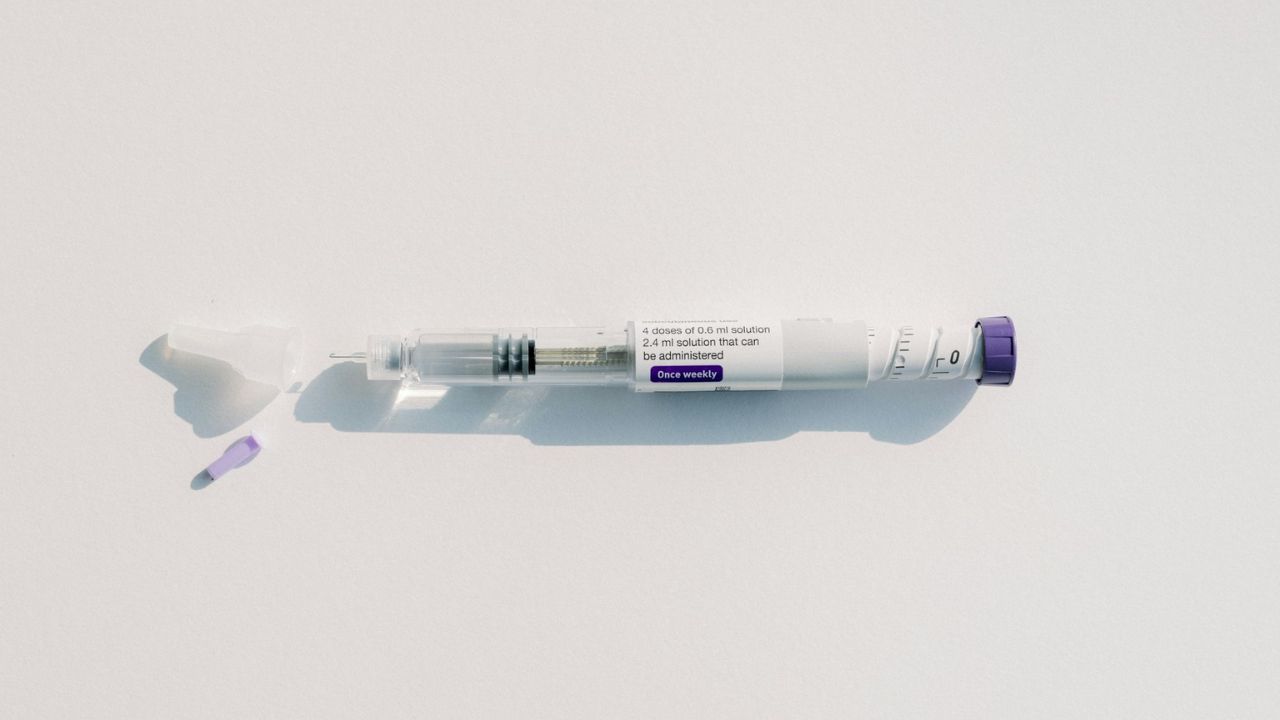
Trials show these drugs lead to more weight loss with fewer side effects than other medications. Several are now approved for weight loss, diabetes, sleep apnea, and reducing the risk of other complications. Meanwhile, the FDA recently approved Lilly’s new once-daily pill Foundayo (orforglipron) making it the first GLP-1 weight loss drug that doesn’t require injections.
Based on electronic health records, these drugs could help conditions like addiction, Alzheimer’s, and Long COVID — though Novo Nordisk’s semaglutide (sold as Wegovy and Ozempic) recently failed to slow cognitive decline in Alzheimer’s.
Not all researchers were enamored with the data though. Sarah Ackley, a dementia epidemiologist at Brown University wasn’t surprised by the failure and told Being Patient that people taking GLP-1s tend to be wealthier, healthier and have better preventative care, which means they’re less at risk of Alzheimer’s.
Side effects: The good, the bad, the ugly
The majority of GLP-1 side effects affect the gut. Nausea, vomiting, diarrhea and constipation are common especially as the body is adjusting to higher doses of the drug.
“Most of the time, the side effects are mild, are transient, and go away after a few days,” said Alexander. “In clinical trials, less than five percent of patients had to stop the drug outright because the side effects were intolerable.”
Neuroscientists are excited by some of the unexpected side effects. Some people report losing their cravings for alcohol, food, and impulsive behaviors like gambling. Social media is full of anecdotes of people who have cut down on impulse buys after starting on GLP-1s for weight loss or diabetes. The data isn’t there yet to say whether these effects are caused by these drugs.
There’s less pleasant, more severe side effects as well.
The rapid weight loss from GLP-1s can cause gallbladder problems, and muscle mass loss called sarcopenia. “With any kind of weight loss, there’s an increased risk for gallstones and gallbladder problems,” said Ferris.
Sarcopenia is particularly concerning since it increases the risk of falls and fractures. “We really counsel patients that they need to be exercising” while taking the GLP-1s, Ferris said.
Some rare side effects make it into the headlines. In mice, these drugs increase the risk of thyroid cancer but the drugs don’t show the same pattern in humans, and might actually be protective. A very small number of people might develop a rare risk eye condition called diabetic retinopathy. “If somebody has blood glucose that is really poorly controlled, and then they get really well controlled rapidly [with GLP-1s], that can actually cause flares of retinopathy,” said Ferris.
Some people might run into safety issues when they order GLP-1s online or from compounding pharmacies, where the quality control is more lax. Ferris said there are also cases of poisoning caused by people putting the wrong amount of the medication into the syringe.
Since these drugs have been on the market for more than two decades, both Ferris and Alexander think they’ve got a solid track record.
“Is it possible that in the future we see a small potential risk that pops up? Absolutely,” Alexander said. “Is that risk big enough that should factor into the conversation about whether these drugs would be useful to the individual? Probably not.”
Due to cost, or simply not wanting to take the drug forever, many Americans eventually stop taking these medications and may gain most of the weight back within a year.
“It’s imperative that patients are focusing on diet and exercise and changing their lifestyles to adapt to their new body,” said Alexander. “So that when and if they do choose to come off the drug, there’s less of a rebound.”
GLP-1 drugs have helped millions manage their weight and glucose in ways that once were impossible. The indications for these drugs continue to expand, as researchers are testing whether they’ll treat other illnesses.
Though they’ve failed two major Alzheimer’s trials, many researchers are holding out hope they could still help treat the disease. Meanwhile, the evidence that these drugs might help with addiction and other brain disorders continues to accumulate.