The Power of Being a Patient Warrior
Hearing firsthand experiences, from rare diagnoses to everyday challenges, helps patients, caregivers, and families feel less alone and more understood.
Deborah Kan is an award-winning journalist and founder of Being Patient. In this “Thought of the Week” column each Friday, she highlights one of the key stories shaping the future of brain science.
Dear readers,
I was interviewed for a podcast this week and asked what has been the most meaningful thing to come out of founding Being Patient.
The answer came easily.
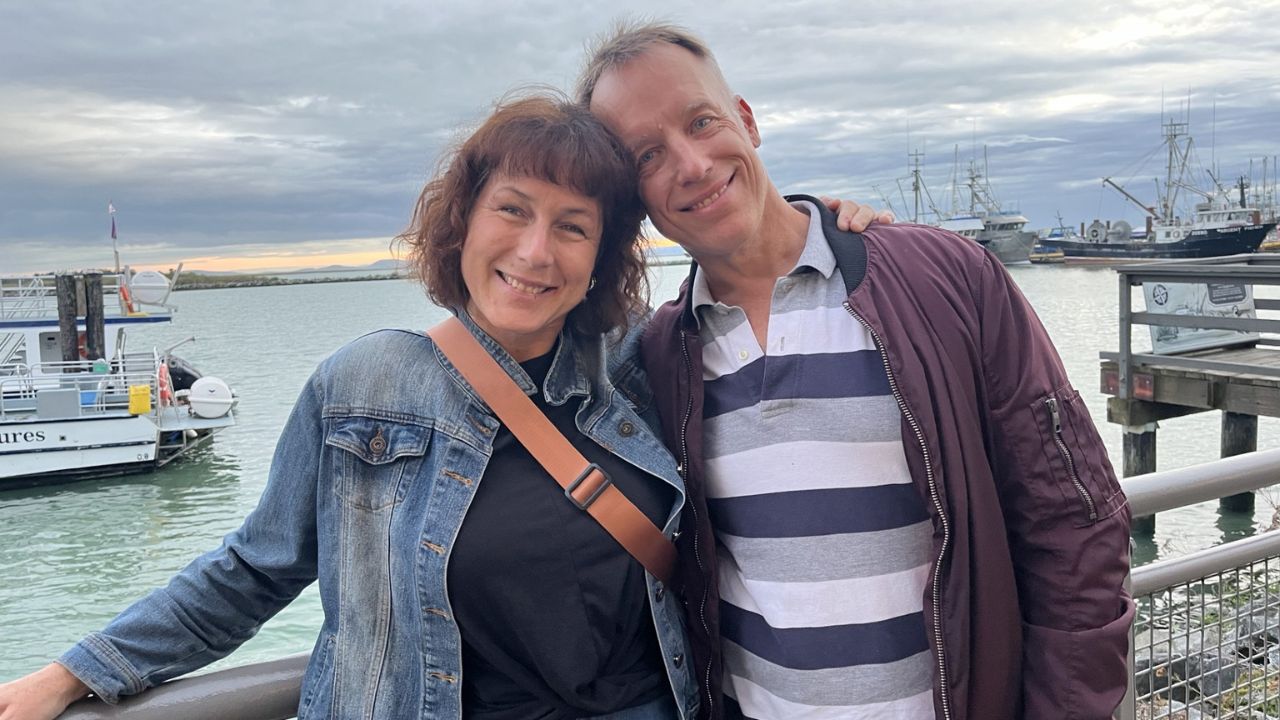
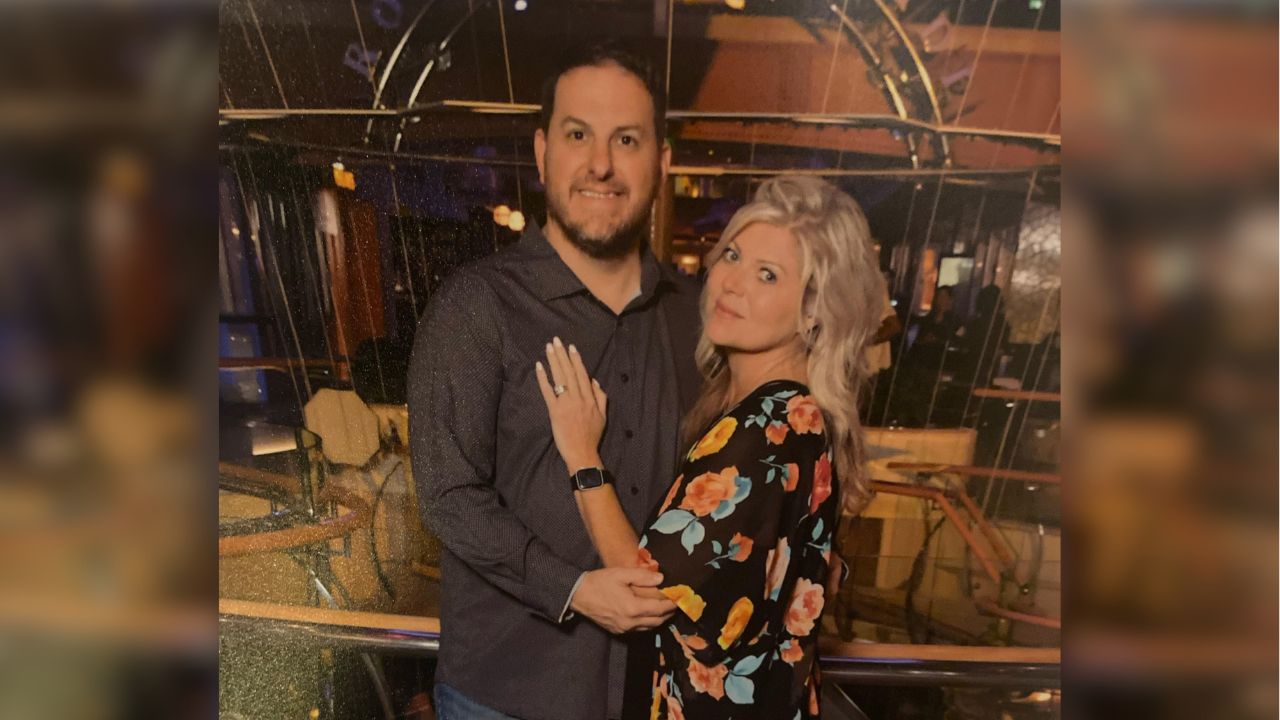
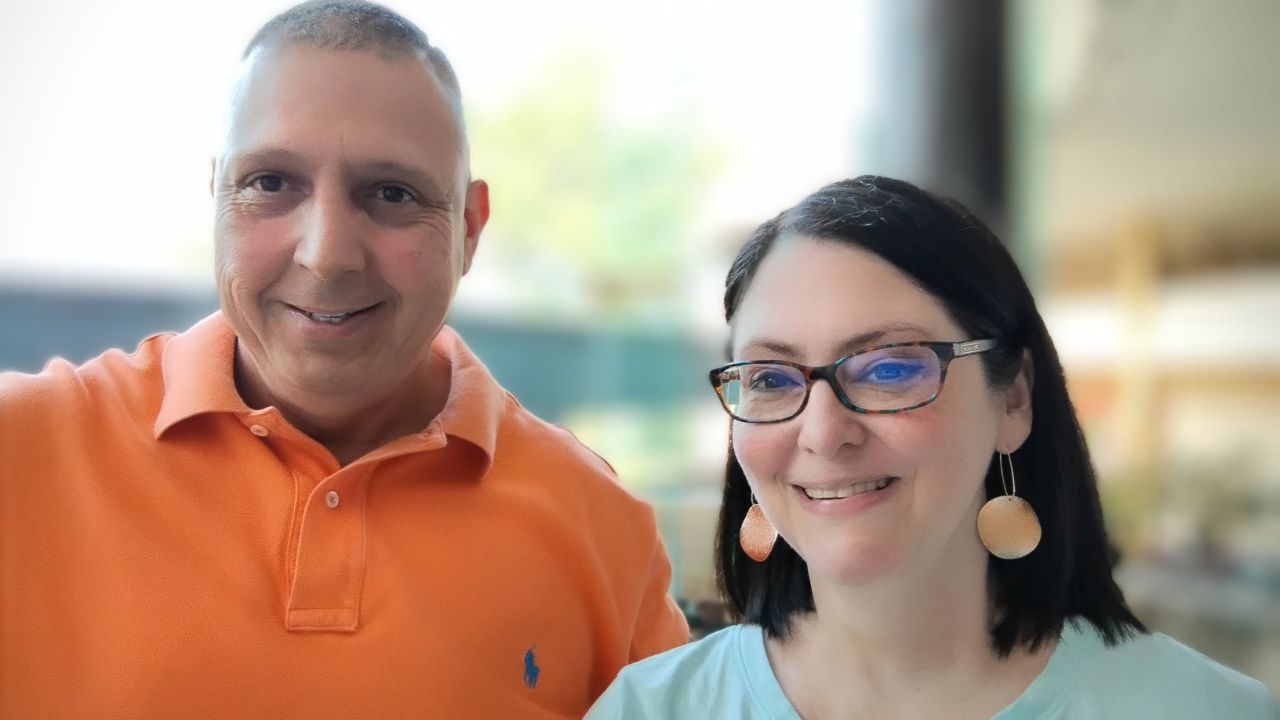
It’s been the privilege of witnessing what I call “patient warriors,” people who are willing to share their earliest symptoms, their diagnosis, and what it actually feels like to live with Alzheimer’s, especially the symptoms that appear before diagnosis.
Stories like Andrew Reid’s. He describes the quiet terror of losing abilities like typing on a keyboard, navigating an intersection, or drawing a blank of benign everyday tasks. His diagnosis turned out to be posterior cortical atrophy (PCA), a rarer form of Alzheimer’s that primarily affects visual processing rather than memory.
What struck me most in our recent coverage was not just the diagnosis, but how Andrew and his family are navigating it together, openly and honestly about what is changing. It’s a reminder that Alzheimer’s doesn’t always begin the way we expect. It doesn’t always look like memory loss. And for many, that difference can be isolating.
Which is why sharing these stories matters so much.
Our Journey to Diagnosis campaign has reinforced this in a powerful way. In just the first two months, we’ve seen nearly 120,000 social media impressions and tens of thousands of engagements, with people not only watching but opening up and sharing their own stories in return. These are raw, honest accounts of what it feels like to recognize symptoms, seek answers, and navigate uncertainty. What’s become clear through these stories is that Being Patient is creating new connections.
Just last week, a close friend wrote to me about a friend in London who had been diagnosed with PCA, the same condition Andrew has. My friend described her loneliness in having a rarer form of Alzheimer’s. “What you are offering her is a game changer for her,” she wrote. “I don’t think she knows anyone with her condition.”
That’s the real impact. Thank you for sharing your stories.
With hope,
Deborah