What I’m Watching at the World’s Biggest Alzheimer’s Conference
This year's meeting in London could bring important advances in diagnosing overlooked dementias like LATE, improving Alzheimer's treatments, and expanding access to blood tests and new therapies.
Deborah Kan is an award-winning journalist and founder of Being Patient. In this “Thought of the Week” column each Friday, she highlights one of the key stories shaping the future of brain science.
Dear readers,
I am getting ready to head to London for the annual Alzheimer’s Association International Conference. It’s the largest gathering of dementia researchers in the world, and every year I skim through the scientific program for a preview of what’s being covered. This year one session in particular jumped out at me: Characterizing LATE dementia and finding biomarkers that could identify it in living patients.
LATE stands for limbic-predominant age-related TDP-43 encephalopathy. Just discovered in 2019, it looks a great deal like Alzheimer’s, and it frequently travels alongside it, which is part of why it is so often missed. LATE is also one of the dementias that was found in my mom’s autopsy report.
One neurologist told me that he believes that it could possibly account for 20 percent of his patients who were diagnosed with Alzheimer’s but later discovered they don’t have any amyloid in their brain. A biomarker test that could identify LATE could give patients a more accurate diagnosis and answer the question of how common it actually is.
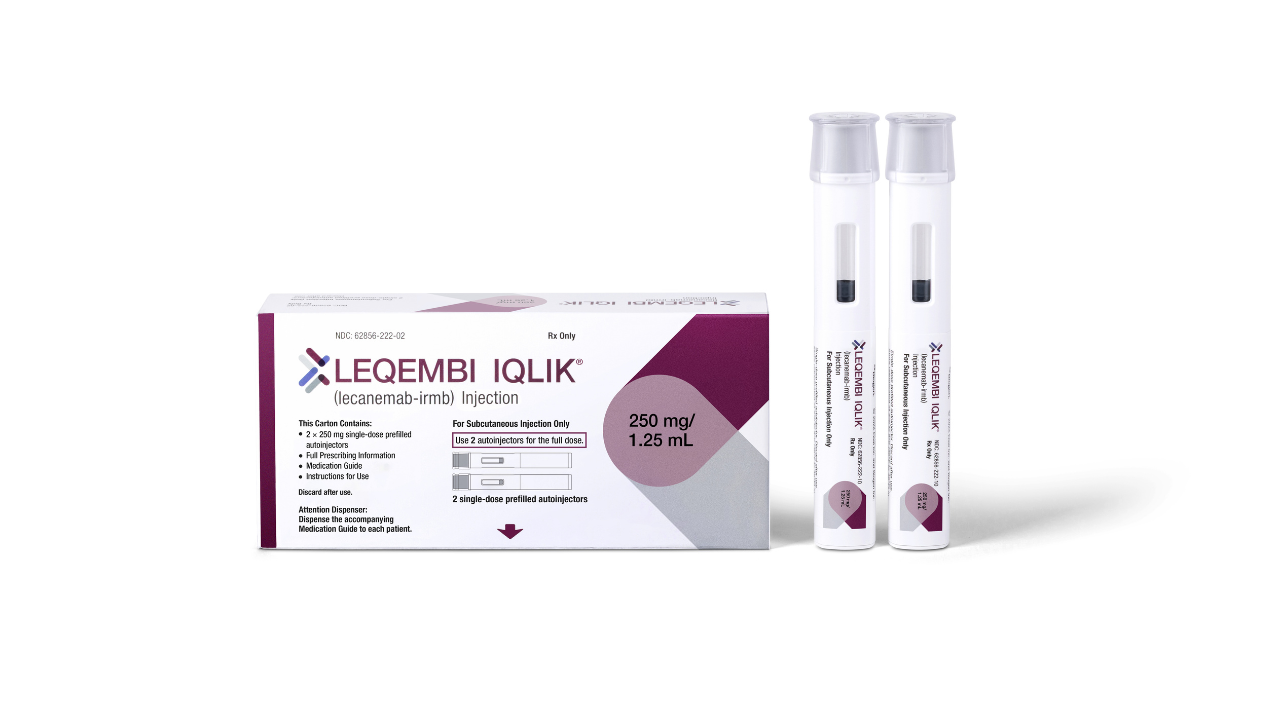
Better administration of the monoclonal antibody drugs, the first disease modifying is also a theme of this year’s conference. Lecanemab, one of the two approved treatments that clear amyloid, has until recently meant regular infusions at a clinic. Last August the FDA approved a version that patients can inject at home, once a week, in about 15 seconds. At AAIC, researchers are presenting the real-world evidence and the practical questions that come with it. For a caregiver managing appointments, transport, and a full day around a single infusion, this would mean a lesser burden.
Also being discussed is how drugs (these and others in the pipeline) reach the brain at all. One of the hardest problems in this field is the blood-brain barrier, the brain’s own security system, which keeps most large drug molecules out. Roche is presenting long-term data on trontinemab, an antibody engineered to be shuttled across that barrier. Earlier results were striking, with rapid clearance of amyloid and low rates of the brain swelling that has limited other drugs in this class. This conference brings the longer follow-up. Ryan Watts, who runs Denali Therapeutics and lost his mother to Alzheimer’s, opens the conference speaking to exactly this problem: how to actually deliver medicine to the brain.
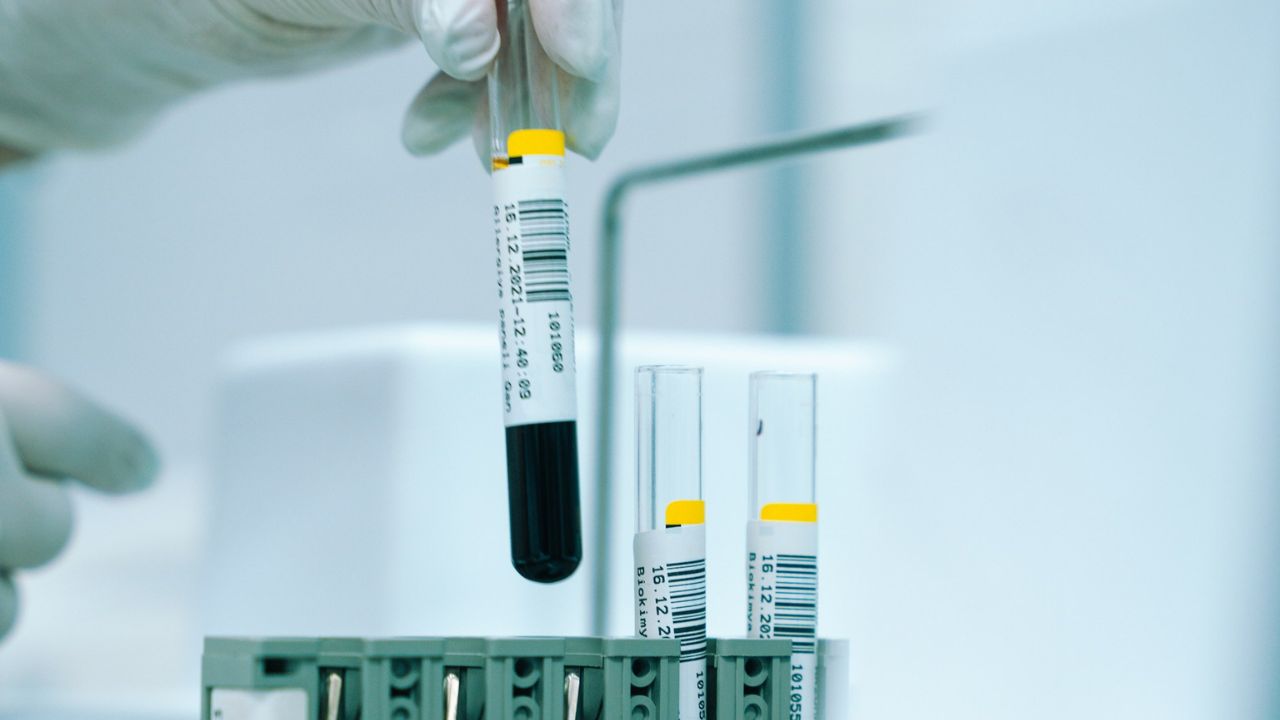
Consider how a diagnosis gets made. Two studies out of Washington University, named SEABIRD and SUNBIRD, are testing whether the new Alzheimer’s blood tests hold up not in a research hospital but in an ordinary primary care office, across a genuinely diverse group of patients. That distinction matters. A test that works beautifully in a specialized center and fails in a community clinic is not a test most families can use. This is the work of finding out whether these tools reach everyone, or only some of us.
None of this would have arrived in time for my mother. I know that. What I also know is that the questions being asked in London this week are the right ones. Not only whether we can treat this disease, but whether we can see it, reach it, and get it to the people who are living with it now.
We will be covering the science all week. Send me any questions. I read every one.
With hope,
Deborah