
Dementia Drug Trials and Regulatory Decisions to Watch in 2026

These new treatments could transform Alzheimer's and dementia care. Here are the FDA decisions and trials to watch in 2026.
In 2026, several Alzheimer’s and dementia treatments will enter their final crucible: Will they prove effective in slowing the disease, ease the symptoms, or simplify treatment?
Drugmakers are tackling these diseases through varied approaches, from repurposing existing drugs to developing sensory stimulation headsets. Here are the key trials and regulatory decisions to watch this year.
Three drugs might garner U.S. approval
Federal Drug Administration regulators are scheduled to rule on three dementia-related drugs next year.
The first of these decisions, expected by April 30, involves Axsome Therapeutics’ drug AXS-05, which treats Alzheimer’s agitation. As many as half of people with Alzheimer’s develop agitation, causing pacing, restlessness, as well as verbal and physical aggression. Only Rexulti is approved for Alzheimer’s agitation so far, but it comes with a major downside: an increased risk of mortality. Though some outside experts have doubts about Axsome’s data, the company is still hoping AXS-05 will garner approval.
Next in line is AbbVie’s experimental Parkinson’s pill, tavapadon, which could be approved midway through 2026. Tavapadon could provide a better option for treating motor symptoms. The pill has a more specific target than the other drugs on the market for treating these symptoms, which could mean more benefits with fewer side effects. The pill could be used in combination with these other drugs as well to augment their effects.
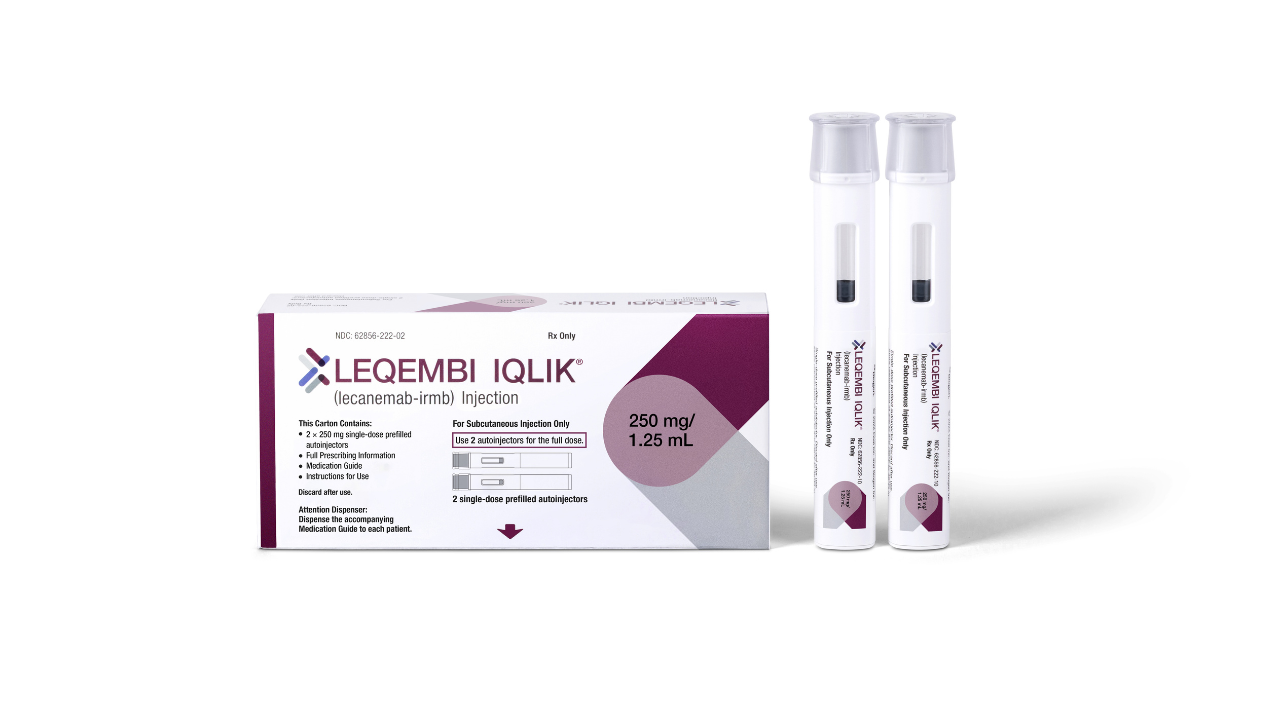
At some point this year, the FDA could make treatment with the anti-amyloid drug Leqembi less cumbersome. Last year, drugmaker Eisai filed a drug application to use an autoinjector pen that would provide weekly under-the-skin injections — like GLP-1 pens — instead of biweekly IV infusions. The injections could make treatment more accessible for Americans who live far from infusion sites. Right now, the autoinjector pen is only available as maintenance therapy after patients have completed one and a half years of infusions.
Trial data for four experimental treatments
In March, Eli Lilly is set to report how well different doses of the next-generation anti-amyloid drug remternetug cleared beta-amyloid plaques in people with early Alzheimer’s. In this trial of over 1,600 participants, the company tested both the I.V. and injectable version of the drug against placebo. The data from this trial will supplement another ongoing trial that’s testing whether the drug slows cognitive decline, which is slated to finish in 2029.
The South Korean biotechnology company AriBio is attempting to repurpose an erectile dysfunction pill called AR1001, similar to Viagra or Cialis, into a disease-modifying drug. In a Phase 3 trial of over 1,500 participants, the company tested whether AR1001 could slow early Alzheimer’s. The company will share whether the trial succeeded in the latter half of 2026.
Cognito Therapeutics is developing a medical device instead of a drug to treat early Alzheimer’s. Their SPECTRIS headset uses a specific frequency of flickering lights and sounds to stimulate the brain. Its 670-person Phase 3 trial is will finish in June 2026, but the company has not yet announced when they expect to report the results.
In 2024, KarXT became the first schizophrenia drug to garner regulatory approval in the US in decades. Now, drugmaker Bristol Myers Squibb is testing whether the drug, which activates specific neurochemical receptors in the brain, could treat agitation and cognitive symptoms in Alzheimer’s across several Phase 3 trials. Last year, the company was set to share the results of one study testing the drug as a treatment for Alzheimer’s psychosis. Due to problems with data at some of the trial centers conducting the trial, the company is taking extra time to analyze the data and is expected to share results this year.
If any of these trials prove successful, their drugs will be next in line for approval in 2027. Subscribe to our quarterly drug Trials Updates to keep up with the latest news.
CORRECTION 28 January 2026, 2:10 P.M.: The referenced remternetug trial is not designed to measure drug efficacy and is not sufficient on its own for drug approval, as previously suggested.
FAQs
Multiple companies are set to share data from Phase 3 trials including Bristol Myers Squibb, Cognito Therapeutics, and Eli Lilly. Bristol Myers Squibb’s KarXT’s is being tested to treatAlzheimer’s psychosis and cognitive symptoms., Cognito Therapeutics’ SPECTRIS headset uses flickering lights and sounds to stimulate the brain in early Alzheimer’s. Lilly is expected to present some data from its next-generation anti-amyloid drug as well.
AbbVie’s tavapadon targets motor symptoms of Parkinson’s with a more specific mechanism than existing drugs, potentially meaning more benefits with fewer side effects. The drug is up for approval in 2026.








Can you remove some of the cookies and whatever else that keeps crowding the screen? Sometimes I can’t even read the text bc of the invasive nature of the flags and pop ups. I took a screenshot to show you but there’s no place to add that in this comment space.
Hi Patti, thank you for being here. I have passed your comment onto our editorial team who will take this into consideration. Take care.