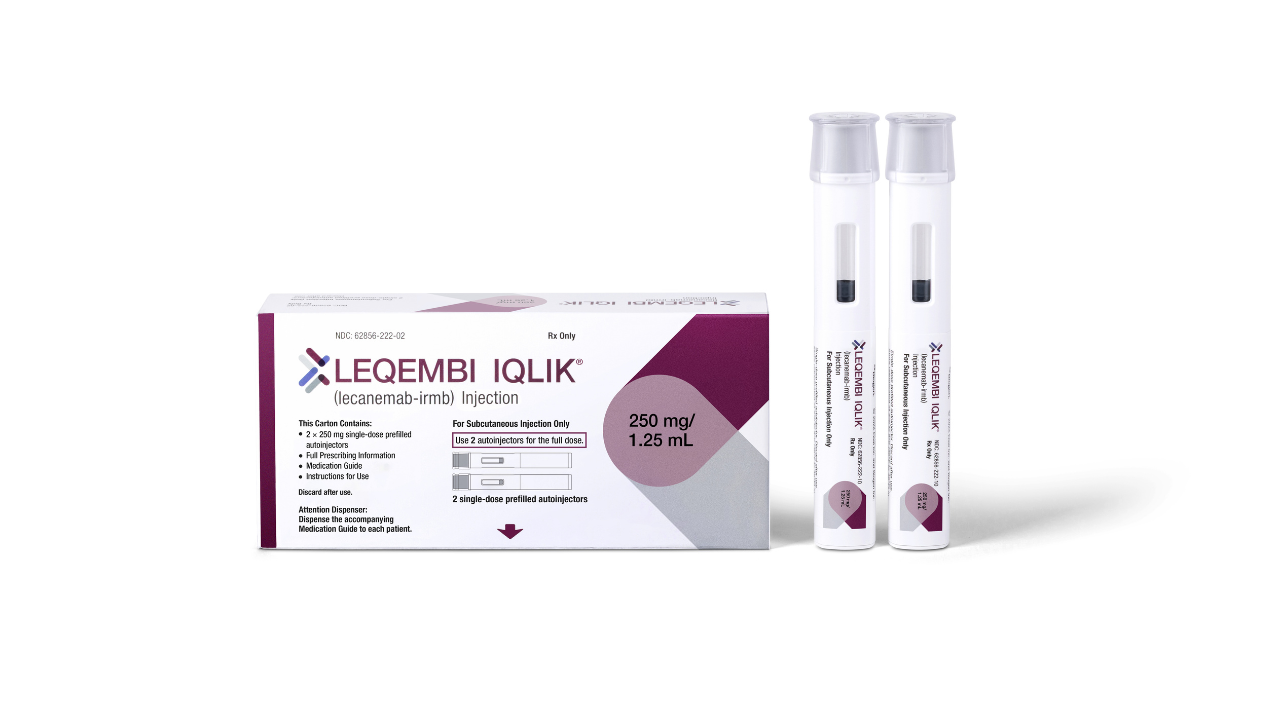
Should You Get an Alzheimer’s Blood Test? Here’s What Doctors Want You to Know
Alzheimer's blood tests are becoming more accurate and available. But experts say the most important question isn't whether you can get one—it's whether you're prepared for what the results mean.
Deborah Kan is an award-winning journalist and founder of Being Patient. In this “Thought of the Week” column each Friday, she highlights one of the key stories shaping the future of brain science.
Dear readers,
Lately, I am being asked the question more often: “Should I get a blood test for Alzheimer’s?”
It’s never a simple answer.
The truth is, it depends on who you are, what you already know, and how you’d handle what the test tells you. So this week, I wanted to explain a bit more about where we are with blood tests for Alzheimer’s disease.
Where the science stands right now
This week, Being Patient interviewed Dr. Joshua Grill, director of UC Irvine’s Institute for Memory Impairments and Neurological Disorders. He’s been running Alzheimer’s trials for years, and he told us blood biomarkers have moved faster in the last five years than almost anything else in the field. They’re now showing up in actual clinics, not just in research studies.
Despite some of these tests being offered direct to consumers, they are actually aimed at people who already have memory or thinking problems. Most doctors are not recommending blood tests, PET scans, or spinal fluid tests as a way for healthy people to learn their future risk. Not because the tests don’t work, but because the recommendations that follow don’t change. Whether your result comes back high-risk or low-risk, you’re still being told to manage your blood pressure, exercise and eat well. Everyone should be doing those things regardless.
Add to that the fact that most of the data behind these tests comes from a narrow slice of the population who are mostly white, mostly well-educated and mostly affluent. Grill says that the field still doesn’t have great numbers on how these tests perform for everyone else. And the blood test results specifically can shift based on the time of day you’re tested, or whether you have kidney or liver issues. That’s a big consideration if you’re about to make a decision based on the result.
Grill also flagged perhaps one of the biggest concerns: once you have this information, you can’t put it back. A test result can follow you into how you’re treated at work, whether you’re seen differently by people who find out, even how employers might one day think about you. He’s watched people change their minds about testing entirely once they understood the full weight of what a “yes” would mean.
What it looks like when a doctor actually tells you
That’s the research side. But there’s a human side to this too, and that’s where I went back to something Dr. Marwan Sabbagh told me. Sabbagh is the Moreno Family Chair for Alzheimer’s Research at Barrow Neurological Institute in Phoenix, and he’s spent a career sitting across from patients delivering exactly this kind of news.
When Sabbagh talks about early testing for Alzheimer’s, he talks a lot about presentation, not the test itself, but how it’s handed to someone. Using spinal fluid testing as one example, he put it plainly: “It’s about how we present it.” He does the procedure in his own office. He walks patients through what he’s already seen it do for other people. He takes the fear out of the room before he takes the fluid out of the spine. It’s the same instinct he brings to blood test results: the number on the page is only half of it. What he says next is the other half.
He also told me about a board member in her early 50s who came in with word-finding trouble and memory fog, and everyone around her had already decided it was menopause. Sabbagh ran a full lab panel instead of assuming. Her pregnenolone was low. They treated it, and her memory fog improved. He cautions that a test can be the thing that stops a doctor from stopping the search too early.
That instinct, running a test to keep looking rather than to hand down a verdict, shows up in his own published work too. Sabbagh co-authored the Global CEO Initiative on Alzheimer’s guidelines for rolling blood biomarkers into clinical practice, and one of the core recommendations is specific: if a result touches on ApoE4 genetic status, it shouldn’t just get dropped into a patient portal. It should come back through a dementia specialist, paired with genetic counseling, so someone is actually in the room to answer the question the number raises.
That’s probably the most compelling point. A blood test isn’t just a “yes” or “no” on Alzheimer’s. Sometimes it’s the thing that tells you to keep looking. And the guidelines treat the delivery of that result as seriously as the test itself.
In my view
So to answer the question I get frequently asked, the blood test question isn’t really about the test. It’s about whether you’re ready for what it tells you, and whether the person handing you the result knows how to talk to you about it. Ask about the science. Then ask who’s going to be in the room when you hear the answer.
With hope,
Deborah