How Brain Donation Is Helping Unlock the Mysteries of Alzheimer’s
Brain donation is one of the most valuable gifts to dementia research—but not every donation can be accepted. Here's how the process works, who is most needed, and what families should know.
With a rapidly aging population, the number of new dementia cases in the U.S. is expected to double from about 514,000 in 2020 to about one million by 2060.
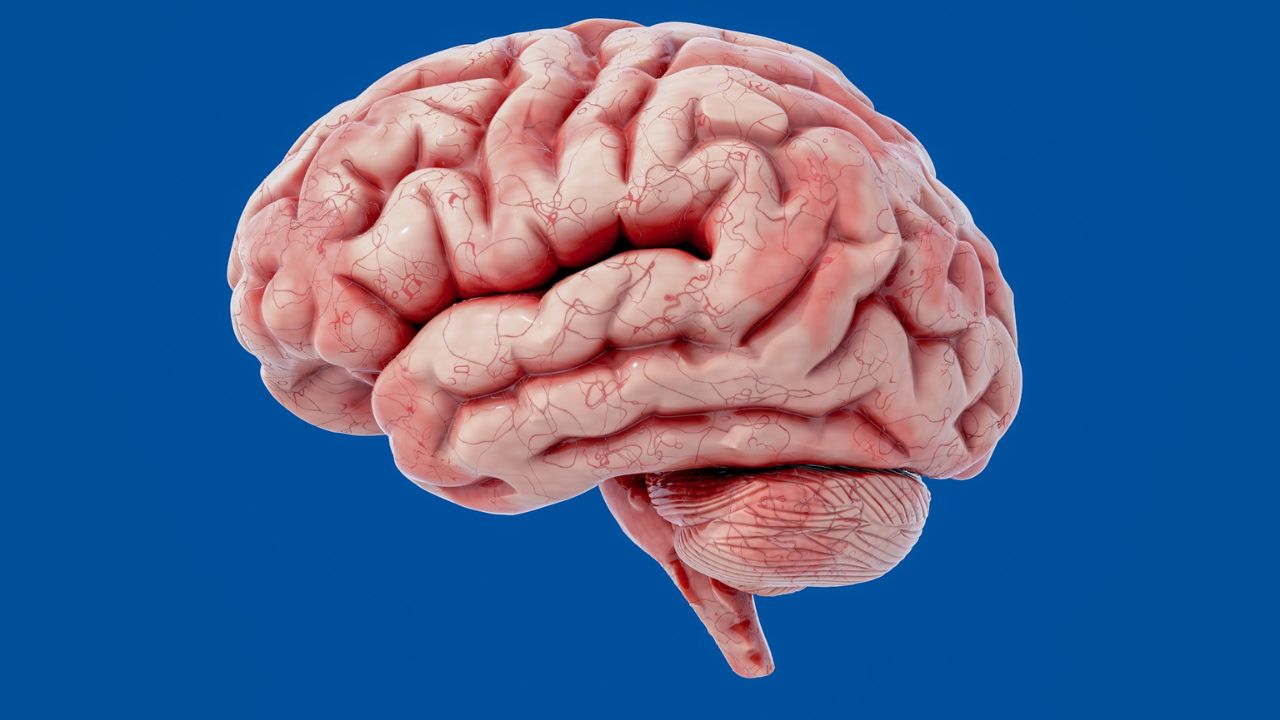
A few years ago, Tish Hevel, CEO and founder of the Brain Donor Project, asked the former director of the National Institute of Mental Health about the value of brain donations. “He said it’s everything, it’s fundamental,” Hevel recalled. “It’s imperative that we find the biomarkers for what’s causing people to suffer so badly. And donated human brain tissue is what’s getting us closer. There’s no other thing that’s more important.”
The Brain Donor Project is a non-profit that supports the National Institute for Health’s brain bank network — the NeuroBioBank — which is made up of seven brain banks. The Brain Donor Project refers donors to five of them: Harvard, Mount Sinai, the University of Maryland, the University of Miami, and UCLA.
If you’re interested in donating, the standard procedure is to begin by fill out an online form. Representatives will determine which brain bank makes the most sense for a family and connect the parties.
Over the past 10 years, around 30,000 people have become brain donors through the Brain Donor Project.
Can Anyone Donate?
Not every brain can be accepted. Hevel says although there is a critical shortage of brain donations in general, an abundance of brains with dementia means this sole category must be more carefully managed.
“This the largest, single population bubble in America’s history. The baby boomers are all living longer than ever, and many of them are developing dementia as they age,” said Hevel. “So the problem is that now we have a lot of people who are currently dying, who have dementia.”
Hevel says the limited resources currently allocated for brain banking is making the situation even more challenging.
“The funding is more precarious than ever because of certain factors at play and our government funding structure at the moment,” Hevel said. “So scientists have decided what kinds of tissue and the neurodegenerative categories are most important to them.”
Who Is Most Needed for Dementia Research?
There are five criteria for brains with dementia that result in a higher chance of acceptance.
- Being a member of an underrepresented population. That includes ethnic minorities such as Black/African Americans, Hispanic/Latino, Asian, Native American or Pacific Islander, as these groups are underrepresented in research despite facing higher rates of dementia.
- People diagnosed with early-onset dementia, typically before the age of 60.
- Having a significant family history of dementia. That typically includes having at least three primary relatives diagnosed with dementia, such as parents, siblings or children.
- Having known genetic risk factors, such as Trisomy 21, APP, PSEN and others.
- People who have participated in clinical trials or research.
More options for Brain Donation
The NIH’s brain bank network isn’t the only option. The National Institute of Aging funds more than 30 Alzheimer’s disease research centers (ADRC) across the United States, nearly all of which maintain their own specialized brain banks. Each one has their own particular research interest when they’re offered brain donations.
Caitlin Latimer, a neuropathologist and neuroscientist at the University of Washington’s department of Laboratory Medicine and Pathology who runs its ADRC brain bank, said the center primarily accepts brain donations from people directly involved in their research.
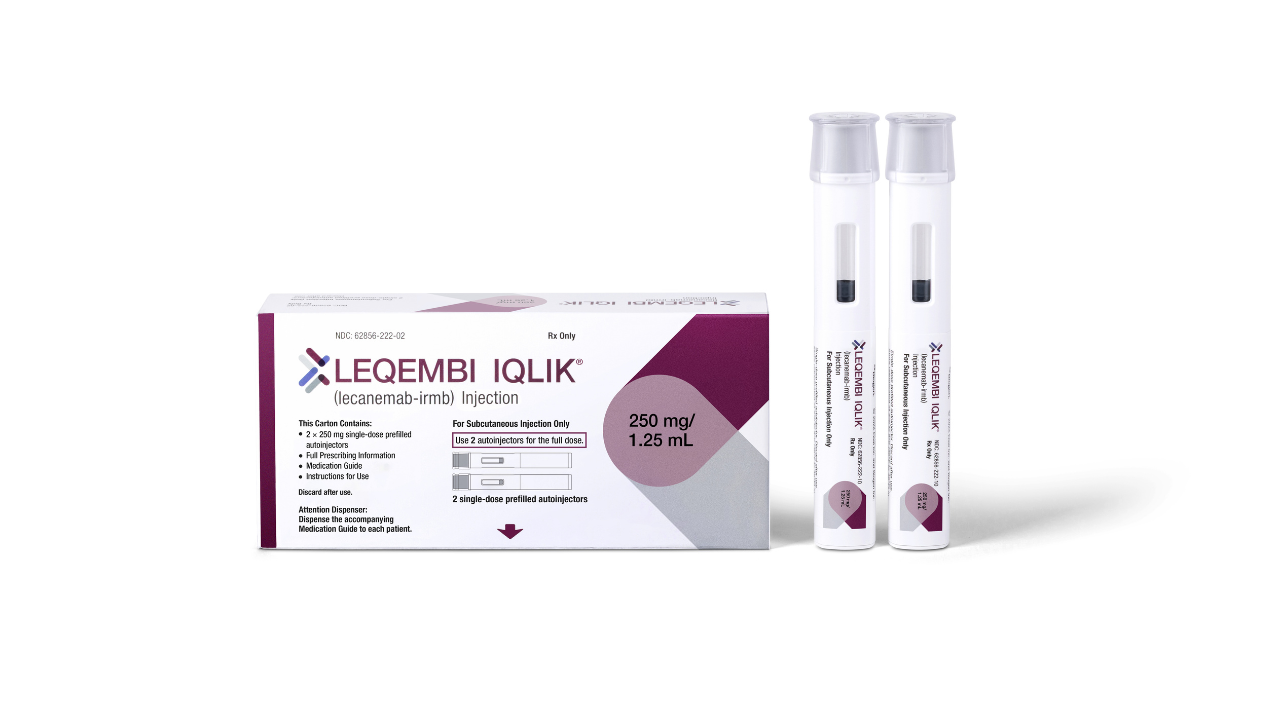
When offered brain donations from non-research participants, Latimer said they still say “yes more than no.” Brains from people involved in clinical trials examining the latest Alzheimer’s drugs are in higher demand.
“We want to start seeing people who were treated with these drugs,” said Latimer. “Those are really valuable brains to be able to look at and see how these treatments are actually impacting the pathology.”
The University of Washington has a brain donation page that provides information for both research participants and non-participants.
One of World’s Largest Brain Banks
The Mayo Clinic in Jacksonville, Florida, is one of the largest brain banks in the world, holding more than 11,000 brains. It’s unique because it functions in a hybrid capacity, serving as the official brain bank for their local ADRC and as a neurodegenerative repository that accepts outside donations.
Neuroscientist Dr. Melissa Murray, co-director of the Mayo Clinic Brain Bank, says everyone enrolled as a participant in one of its clinical research studies is granted the opportunity to make a brain donation free of charge.
The clinic provides information on its website about how potential donors might fit in with current research. Murray said the earlier one reaches out, the better the chances of finding a spot.
For potential donors not a part of research, Murray also says the situation has become more complicated due to recent changes in federal funding for scientific research.
“We make every effort, and we’ve been working with funders to find a way to perhaps allow us to not close the doors on people,” she said. “Those are actually active discussions that I’m having with multiple groups across the country to ensure that the people who really want to honor the system by donating their brain, that they’re not turned away.”
Murray says while most brain banks accept around 30 a year, their brain bank accepts around 350. She says the Brain Support Network is a good resource to connect donors with a brain bank. The site lists the average cost for a brain donation at $1,000, which covers fees for the pathology specialist and the funeral home or cremation organization.
What Families Can Learn From a Brain Donation
Murray knows the potential impact of a donation both professionally and personally. Her family donated her grandmother’s brain, which Murray uses in almost all of her disease studies.
“It’s been kind of exciting to know that what she went through mattered,” she said. “When we looked under the microscope, the front part of her brain, the frontal lobe, was much more affected than most Alzheimer’s disease sufferers.”
Getting a better understanding of what happened to a family member’s brain can be rewarding in more ways than one.
“So whether that is for your children, for your families, or your loved ones, brain donation gives the family back an answer,” Murray said. “And it also gives our future generations the possibility of defeating these diseases. Donation really is this ultimate gift.”
FAQs
Brain donation is the gift of brain tissue after death so researchers can study Alzheimer’s disease, Parkinson’s disease, frontotemporal dementia, and other neurological disorders. Scientists use donated tissue to better understand disease and develop new diagnostics and treatments.
Not always. While there is a need for brain donations, some brain banks prioritize donors based on current research needs, available funding, and factors such as age, diagnosis, genetics, ethnicity, or participation in clinical trials.
Ideally, before it is needed. Registering in advance gives brain banks time to coordinate with families, physicians, funeral homes, and pathology teams.