How Brain Banks Help Scientists Understand Dementia
Dr. Melissa Murray discusses what brain banks reveal about tau, Alzheimer’s disease, and the search for more precise ways to diagnose and treat dementia.
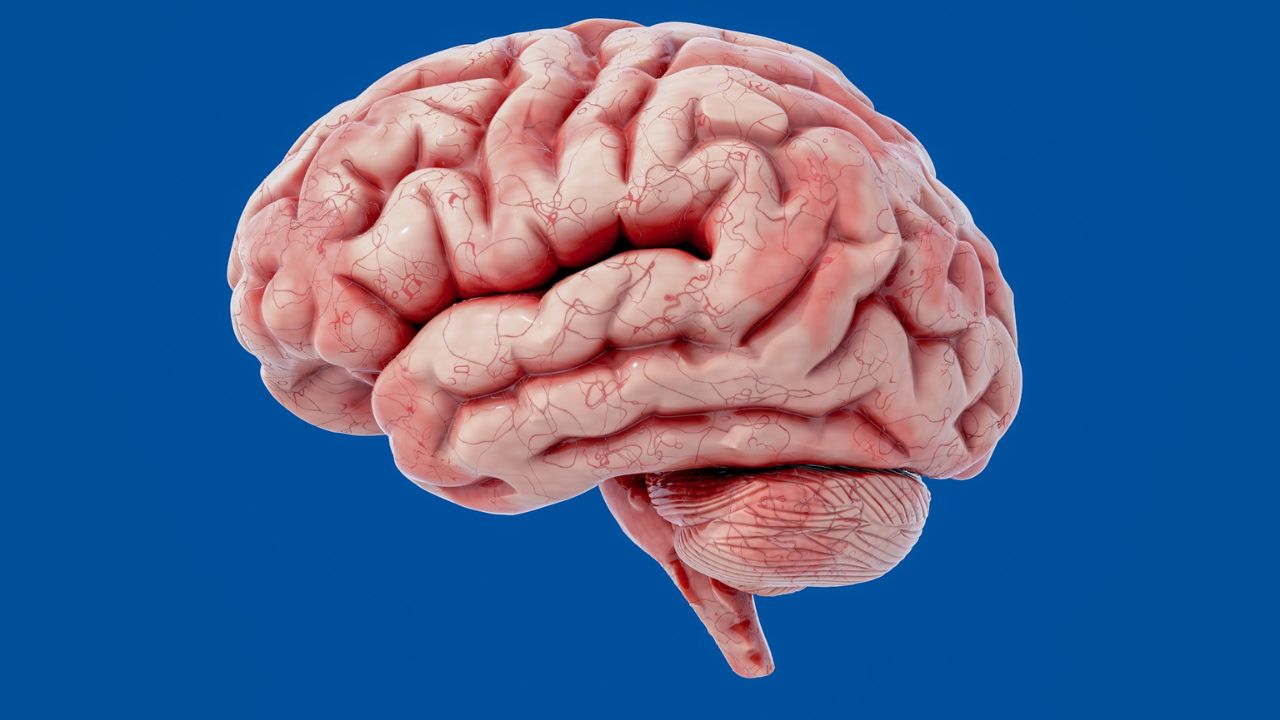
Brain donation is helping researchers better understand why Alzheimer’s disease and related neurodegenerative disorders develop, progress, and affect people differently.
Dr. Melissa Murray is a professor of neuroscience at Mayo Clinic in Jacksonville, Florida, where her research focuses on the biological changes, including tauopathies, that drive Alzheimer’s and related neurodegenerative disorders. At Mayo Clinic Florida she helps direct one of the world’s largest brain banks focused on these diseases, giving scientists access to donated brain tissue that can reveal details about diagnosis, disease progression, genetics, resilience and risk that cannot always be seen during life.
In this conversation with Being Patient’s Mark Niu, Murray explains what tauopathies are, how tau and amyloid contribute to Alzheimer’s disease, and why brain banks are essential to understanding the many ways dementia can appear. She also discusses how brain donation can support biomarker development, genetic discoveries, and more specific diagnoses. She emphasizes that brain donation also offers families answers and helps researchers work toward better ways to detect, treat, and ultimately prevent neurodegenerative disease.
Being Patient: Can you first explain what tauopathies are and how they relate to Alzheimer’s disease and other neurodegenerative disorders?
Dr. Melissa Murray: I like to think about a railroad track. And the railroad track is what allows for our brain to bring messages and information all throughout. And tau is the nail that holds that railroad track down. And so, this is a very stable structure. We need some dynamic aspects to bring as many messages and food to all our different brain parts.
But in certain brains, we think about that nail getting rusty. And so, those changes to the nail unfortunately can cause the railroad track to derail. So, if you’re not getting the messages and you’re not getting the food, parts of the brain start to degenerate. And unfortunately causes manifestations as problems with thinking or difficulties with movement. Tauopathies as a broad term is that rusty nail, unfortunately, and different ways that causes different parts of the brain to be affected.
The primary tauopathies we think about with atypical Parkinsonian disorders, so maybe problems with movement, also, difficulties with thinking. Alzheimer’s disease is a disease that actually has two different bad guys, if you will, and tau is one of the major bad guys. And it really then manifests in our areas of memory as well as the outer parts of our brain.
Being Patient: When you’re talking about Alzheimer’s and having those two bad guys, the tau and then also the amyloid, do you have Alzheimer’s when you don’t have one, or do you need to have both? Tell me about that.
Murray: When Alzheimer’s disease was first being described, it was actually in an individual patient, and Alois Alzheimer, as well as Fisher, identified that there are these two changes. So, the tau that I described is the inside part of the brain cell, and that’s where it’ll start to degenerate. And then the amyloid plaques, they form outside the brain cell. And we require both of those neuropathologically. So, to diagnose under the microscope to really give that ultimate final diagnosis, both are involved.
But, as part of aging, you can actually have subtle changes with both of those. And so, they have to be at a significant level. Whether that’s different parts of the brain that are affected or the severity. Primary tauopathies will really only have that really severe tauopathy, as well as inflammatory aspects. Alzheimer’s disease requires both the tau and the A-beta changes for there to be that definitive diagnosis.
Being Patient: What do we know so far about what makes that nail come loose and then describe what happens?
Murray: We’ve long focused on that nail and some of that rusty component. So, when we go from DNA to RNA to proteins, like what makes up our skin, we have these changes that can occur that cause that rust. They’re called post-translational modifications. And so there might be these bulky groups that get added.
Tau is a really elegant and beautiful protein. But when you add these changes, it starts to misfold. And our brains just can’t compensate that when it folds on itself it seems to develop in what we call aggregates, or there’s these more ethereal oligomeric species. So there’s the species I can see under the microscope and some that are more part of the fluids that seem to really wreak this havoc on the brain.
Being Patient: Can you tell us about the brain bank at Mayo Clinic Florida and why it is such an important resource for studying tauopathies?
Murray: At the Mayo Clinic Brain Bank, Dr. Dennis Dickson started the brain bank about 30 years ago with Dr. Neil Graff-Radford, and it really is that partnership between a neuropathologist and a neurologist that wanted to ensure that that final clinical visit upon brain donation, we could review the brains under the microscope.
I think one of the reasons our brain bank is so unique is we wanted to serve many different diseases. Within one brain bank, we actually have several sub-brain banks.
The unique aspect is we have an Alzheimer’s disease brain bank within it, we have a tauopathy brain bank, we have a huge dedication to Lewy body disease in the alpha-synuclein field. And by having this whole wide range of different individuals who so kindly donated, we can actually start to understand why does everybody not seem to develop the disease the same way? Or maybe they have the disease the same way, but somebody isn’t as severe as the other. So we look for risk as much as we look for prevention.
Being Patient: So tell us what it looks like. I don’t recall seeing many images of brain banks. And as you go in, are we looking at, like you said, separated sections or rooms? And how many are we talking about and how many donations are coming in?
Murray: We have over 11,000 brains in our brain bank. We have one of the largest brain banks in the world. And what that looks like is a lot of dedicated people. So, part of that first starts with our brain bank coordinator who has the kindest heart and interacts with the families and helps to understand the consent process. Because one of the most important things about donating your brain is to ensure that you are comfortable with your brain going on to research to really help with the discoveries. Perhaps you want to ensure that your brain can also benefit genetics so that we can hopefully understand things even earlier than would be expected.
A brain bank in this big ethereal concept, for us, it’s actually multiple different buildings. So, when a brain comes in, there’s two sides to the brain. One side we keep fixed, almost like a pickled solution, so that when we look at the brain, we can embed parts of it into wax. So, for decades, we’re able to study that brain. But the other part of the brain is frozen. So, we have 30-plus freezers that allows for us to very systematically categorize. And so, we have a lot of people on the team that really take care of the brain every step of the way.
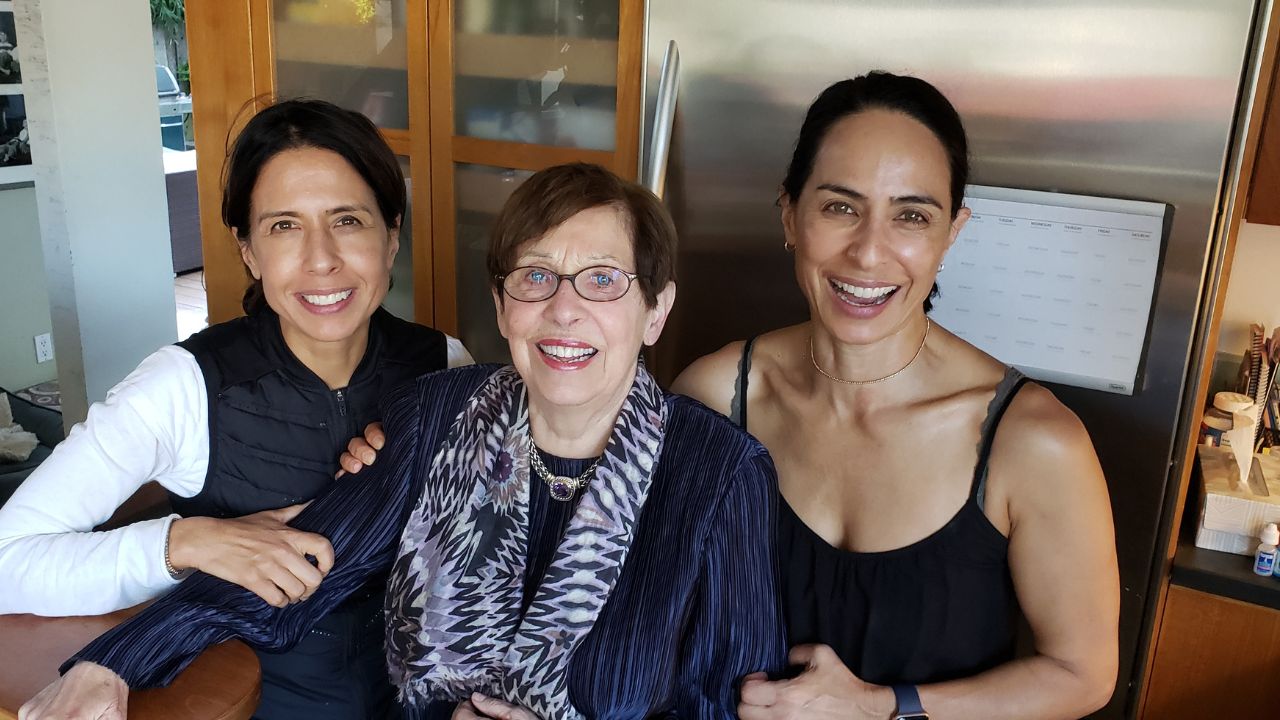
I can give you an example from my own personal experience. When I first started graduate school, my grandmother had already been suffering from Alzheimer’s disease for several years. And one of my last conversations with her was to let her know I was going on to study the brain. She told me that I could start with her, and that was so meaningful because I knew she didn’t quite understand what was happening to her.
When we tried to organize the brain donation — I don’t come from an academic family, or a family that would have understood how to donate brains — our brain bank coordinator worked with my family, made sure that they went through the consent process, filled in some helpful information. Our family provided the guidance that we noticed in 2001 she started repeating her conversations. She started to get lost. And those little insights from the family are critical because even though my grandmother wasn’t a part of a study, her brain mattered, her life mattered.
What that looks like is, when we donated grandma’s brain, it came in and within a couple of weeks, a neuropathologist would then look down the microscope after having separated out parts of the brain. We go through systematically to understand what the different changes are. Some of the viewers may know about Rolodexes. So, the neuropathologist really kind of keeps this big-picture mind of the brain, and every little subtle change helps to inform upon the disease. So, after the brain donation, we have this neuropathology report. Our neuropathologist will write a letter to the family to help really translate some of that information. The tissue is then housed, and that then allows for us to be able to share with qualified researchers to enable really huge discoveries from this universe that the brain uncovers.
Being Patient: Did you actually study your own grandmother’s brain?
Murray: Yeah, she’s been in almost every one of my Alzheimer’s disease studies. It’s been kind of exciting to know that what she went through mattered. In Alzheimer’s disease, not everybody reads the textbook, so not everybody has memory problems. My grandmother did, but she also developed a fondness for sweets where she hadn’t before. And what ended up being revealed is when we looked under the microscope, the front part of her brain, the frontal lobe, was much more affected than most Alzheimer’s disease sufferers. And so we saw some similarities with individuals that have frontotemporal dementia, where they develop a lot of changes in the front part. And so, yes, she’s been able to participate in many of the different aspects, which has been really rewarding.
Being Patient: We’ve got a question here from a viewer: Does the Florida brain bank share information with other legitimate researchers in other countries? Is there a global collaborative effort?
Murray: We have collaborated across the globe, yes, for decades. Some of the large consortium efforts, I mean by that is that multiple different groups will work together towards a focused goal.
We are very cautious on patient confidentiality. And so I like that the question was with regard to the qualifications. There’s a step process for people to submit their applications and then a committee reviews. And we really try to ensure that across the globe, people are able to do the science that they want to be able to do.
Being Patient: Why is it so important to have the brain? I mean, the research that you do, having the brains there, what are the things that you can draw from it that you otherwise would not have been able to do?
Murray: In life, we can take blood and we would still be able to understand the DNA, so we would be able to understand the genetic changes. But when we look under the microscope, it’s almost like looking into outer space, all the different stars. So in our brain, we have thousands and thousands of cells. And we have some idea about the different types. And we have these very broad definitions for cells. But I think one of the most exciting parts of human brain research is that we’re now individually identifying different types of cells. Because if we can understand the cells that are most vulnerable, we’re in the sci-fi era where people are starting to really think about gene targeting or cell-based targeting. So we try to have this foundational science to be able to offer up the where. So we’re really good at looking where in the brain, but we do complement that with neuroimaging and with our radiology colleagues.
Some of the other things that can be really helpful is we can make these very focused measurements across the brain and then try to understand why people experience it differently. Sometimes they just have a lot more changes. Other times, people have built up such resolve, almost like they were working out in the gym and their brain was just ready for it. Cognitive and physical activities, we’ve been able to help partner with other individuals who study people while they’re alive and know those changes. And really, this gives us a chance to anchor it.
I would say we can inform upon heterogeneity, all of the different changes. We can see the different cell types. We can actually also appreciate: is it the top part of the brain or is it a little bit more? And an often overlooked aspect is that inner part of our brain, the white matter. So, the white matter is all these connections that allow things to go really fast. So, there’s very individualized information that can be gleaned from a brain.
Being Patient: We got another question from a viewer: Can you see the same things that you see in the brain if you’re looking at the retina?
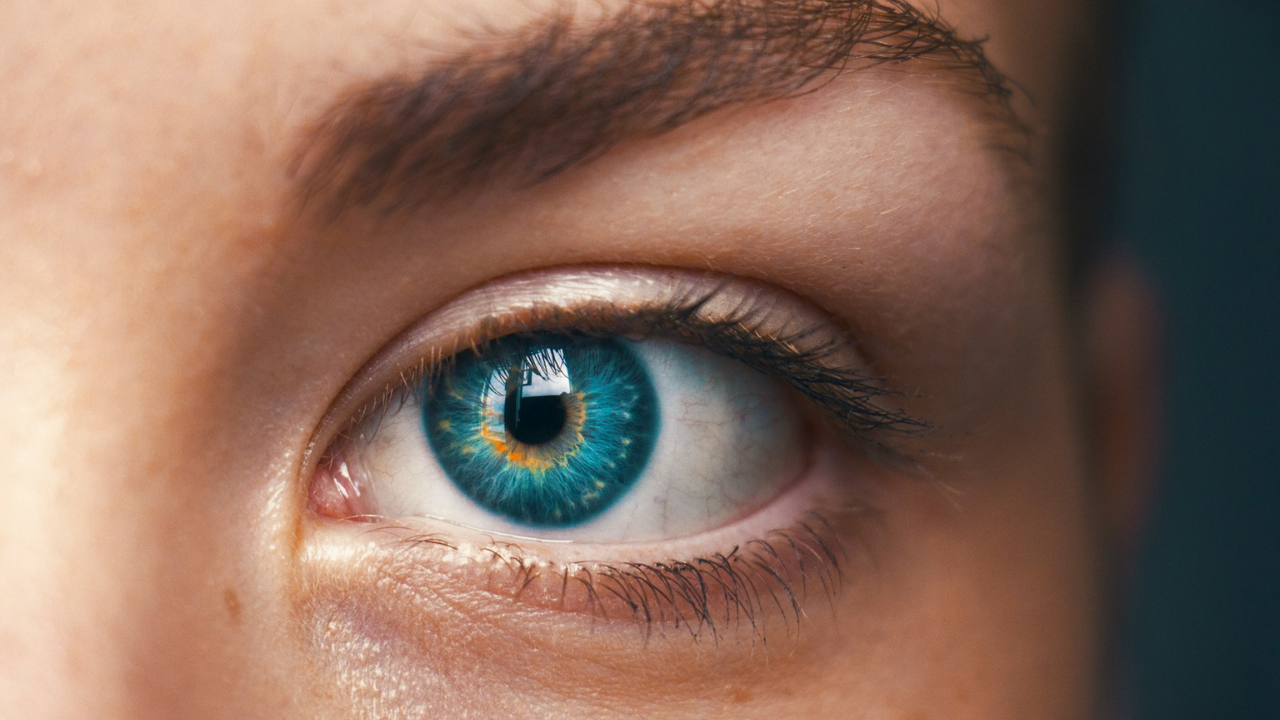
Murray: There’s been a lot of movement in eye research, and I just started to talk about layers. So there’s the cortex, which is thick. We have six different layers in different parts. And what people are starting to do when they’re looking at the eye to see if that could be a biological marker is they’re actually seeing layer changes. So we see some of the same proteins. There’s something called TDP-43 that’s usually inside the nucleus and then unfortunately moves out. We can see synuclein, alpha-synuclein, which is the basis of Parkinson’s disease, and they’ve even been able to see tau.
We personally don’t study the eye at our brain bank, but there are many individuals that are actively going after really noninvasive or minimally invasive ways to track changes in the brain.
Being Patient: Have brain bank research produced discoveries that have really transformed or changed the way scientists think about Alzheimer’s disease or related dementias?
Murray: I’d like to think so. One of the ways that we’ve been able to do this, and actually my grandma helped inspire part of this — we were preparing for a conference and we had just had a series of brains that came in. And when we think about Alzheimer’s disease, we think about memory problems. And interestingly, we had a series of brains where the memory center, the hippocampus, my favorite part of the brain, didn’t seem to be shriveled. So there’s normally parts of the brain that kind of shrink when the cells die. And this became quite a mystery. As we dug deeper, we were able to create a mathematical equation that then subtyped different Alzheimer’s disease. And we found out that the younger, more often male, were the hippocampal sparing. So they lacked the memory problems. But it wasn’t just that they relatively lacked memory problems. They had a much more aggressive outer part of their brain, their cortical regions affected. And so that has helped us to then translate that information to neurologists when they’re seeing younger individuals come into the clinic to not just discount Alzheimer’s disease, especially if there are therapeutics.
On the other end, this might be a little closer to your mom, although perhaps I’m thinking about TDP for her, we have a limbic predominant. And these are the older individuals. They actually have a much slower progression. They have much more mild progression, quite frankly. And they’re more often females. And so, those individual subtypes have really allowed for an explosion in the field with the different changes in neuroimaging. And now we’re doing plasma. Because if we can really anchor the idea, then we can expand out there to the clinic. And that’s just one of the examples.
I think one of the other really exciting examples is we’ve been able to collaborate with really well-esteemed, well-regarded geneticists. And so we’ve co-discovered many different genes here at Mayo Clinic, including MAPT by Dr. Mike Hutton’s lab, where that tau protein we talked about, they actually figured out what was the gene. And there was another really big one in frontotemporal dementia where they finally figured out chromosome 9, Dr. Rosa Rademakers. And so it’s really those beautiful partnerships that I think has allowed for us to really accelerate biomedical research.
Being Patient: I’m wondering, as you brought up the different effects, why do neurodegenerative diseases look so different from person to person, even when the same proteins or processes are involved?
Murray: It’s such a good question. It might be a billion-dollar question at this point. I think what we’ve at least gathered, so we have genetics that can play a role, but with Alzheimer’s disease, 95 percent of our cases aren’t from a frank mutation, meaning that there’s some really destructive aspect to the genetics, that there’s almost a timestamp of when the developments of the changes will occur.
So now we have this whole wide range of individuals lacking the mutations, but there are risk factors. Some people might have an APOE4 risk factor, which is much more of a risk factor in non-Hispanic white individuals. Sex can matter too, right? There’s a greater majority of females that have been reported with Alzheimer’s disease, but age really matters. So, if you’re studying older individuals, Alzheimer’s disease is much more represented.
One of the things our brain bank helped to identify is that it’s fairly well distributed between males and females. There just seems to be an age difference as long as you’re including some of the younger individuals. And we really like to ensure that working-aged individuals who are suffering from these diseases are also being seen and also being heard.
Being Patient: I’ve got another viewer question: if people are wanting to donate, what are those requirements and what can prevent somebody maybe for your specific brain bank?
Murray: So, traditionally, certain diseases — especially the rare diseases — are looked after. One of the other major aspects to our brain bank is the state of Florida brain bank. So, if you’re a Florida resident and you’ve been seen in our network of memory care centers, you’re actually offered and the cost of it is covered, which is really helpful.
Other parts, the younger individuals, the difficulty right now is with science funding being slashed, it’s really causing us to not be able to pour money back into the brain bank. So, we’re trying to find a happy balance. We do have a website where you can reach out, and the earlier the better. Even though it seems like it’s a difficult topic, it’s one of the most beautiful things that one can do is give that ultimate gift of brain donation. And so, there are different forms on the Mayo Clinic Brain Bank website that allows for you to be able to see where you could come through.
“One of the most beautiful things that one can do is give that ultimate gift of brain donation.”
Being Patient: Do we know the percentage that are accepted?
Murray: So when it comes to the Alzheimer’s disease research centers, anybody that’s enrolled in an ADRC, everybody is offered brain donation because that is a fully funded program. Through the NIH biobanks, we’re not a part of that. Most people that come through are accepted, but this year everything has changed because of everything that’s happening with science funding.
I don’t know that I could give a percentage. We make every effort, and we’ve been working with funders to find a way to perhaps allow for us to not close the doors on people. And so, those are actually active discussions that I’m having with multiple groups across the country to ensure that the people who really want to honor this system by donating their brain, that they’re not turned away.
There is a program called Brain Support Network that does a great job of ensuring that you can be connected with a brain bank. And so through their system, they’re able to ferry you through different brain banks. But for the most part, we’ve been really accepting quite a few. I think most brain banks get 30 and we end up getting 350 a year. And so there are no weekends and nights anymore. We want to make sure that we’re able to see as many cases as we can.
Being Patient: Are you looking for particular symptoms?
Murray: So, individuals that present less than the age of 65, the young-onset forms of Alzheimer’s disease, individuals who often have the non-memory problems — we want to ensure that we’re able to study them. Of course, we want to make sure that the families are being seen so we can give that feedback. And generally, most of the brains that had come through our state of Florida, there wasn’t a symptoms-based specificity there.
“By beginning at the end, we can inform the beginning.”
Being Patient: I know you’d also done a lot of research involving lifestyle factors. Was that directly related to looking at the brain too? And what are some of those recommendations that come out of that?
Murray: One of the other areas that we’re really fortunate is we partner with our Mayo Clinic Study of Aging, as well as other clinicians. And so there’s a neuropsychiatrist who’s especially interested in these lifestyle factors that I have the pleasure of collaborating with, Dr. Christian Lachner. And what we mean by lifestyle factors and what is possible in a brain bank versus a study can be very different.
In a study like the Mayo Clinic Study of Aging, what they’ll do is they record information like physical activity and cognitive activity, as well as many others. Do you go dancing? How are you doing with your diet?
In a brain bank like ours, where we’re not government funded, what we try to do is we have forms that people fill out and we try to do our best to extract information from their clinical records. Some of the lifestyle factors we look at is vascular risk. Did you have diabetes and were you treated? And that’s the key. I am not an M.D., but one of the major things for risk factors that we found is if you get them treated, it minimizes a lot of the risk for dementia and Alzheimer’s. If you ever get prediabetic, please listen to your doctors. We also look at congestive heart failure. So we’re very interested in how the cardiac system can interact with the brain system. We’ve looked at hypertension so that we can understand, how does that high blood pressure change? And interestingly, especially if you’re treated, your risk goes really far down.
So we look at a lot of the vascular risk factors and then some of the lifestyle that we’re able to obtain. Some of those might be ZIP code. Dr. Amy Kind did a really great service to the nation where she looked at different ZIP codes and consolidated the information so that we could learn more about the air pollution or other things that people are exposed to, perhaps the safety of the neighborhood. So even something as simple as a ZIP code can be very informative to help us to understand what may have contributed to either the resilience or the restrictions within the brain.
Being Patient: Dr. Murray, could you speak to the importance of getting a diagnosis beyond dementia — in other words, why it matters to receive a more specific diagnosis?
Murray: So I think that it’s an individual thing. In this instance, I have heard stories where people never get the right diagnosis. And even if there aren’t treatments, knowing who is robbing you of your loved one or who’s robbing you of your own mind is very important.
When we talk about dementia, it’s that umbrella term, so difficulties thinking. And there are many different types of dementia, Alzheimer’s disease being the most common. There’s another common form, dementia with Lewy bodies. And so Robin Williams unfortunately suffered from this, but he didn’t have an accurate diagnosis. So it caused him to have a great amount of suffering.
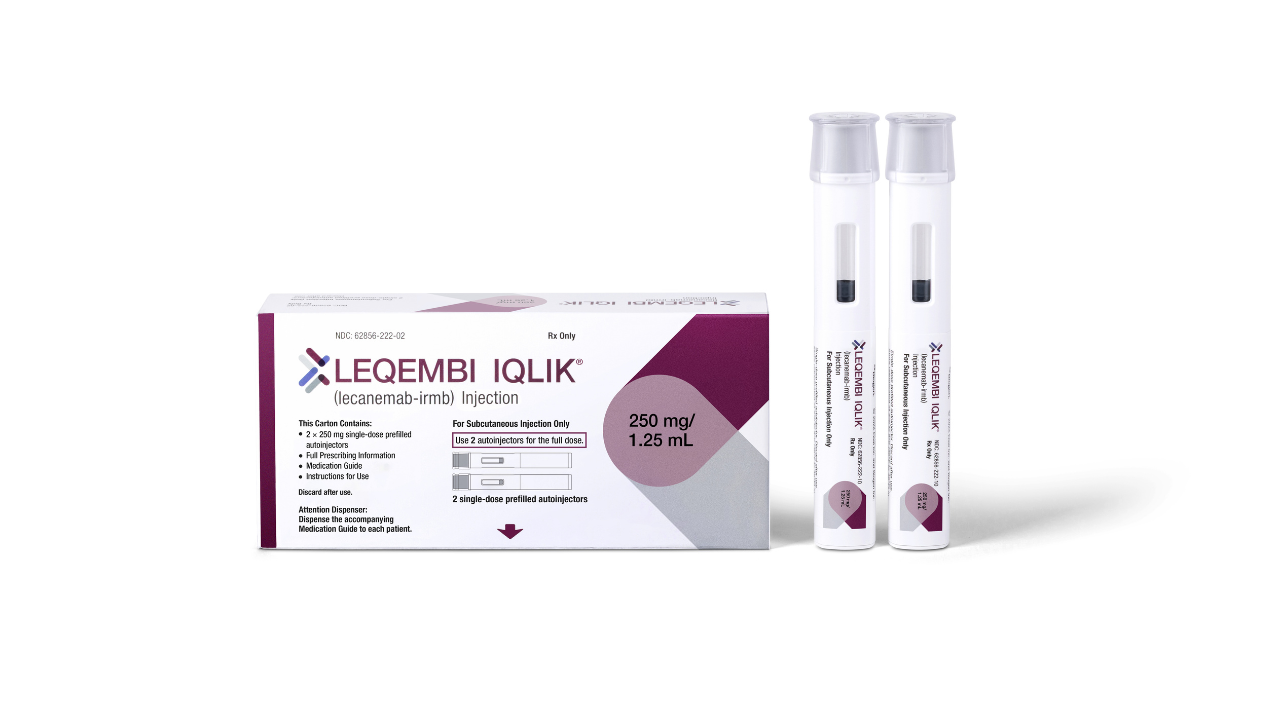
I think if the individual is motivated and is OK with it, having that sub-diagnosis can be very helpful because certain dementias, like dementia with Lewy bodies, we do actually have therapeutics. Alzheimer’s disease, we also have emerging therapeutics.
Understanding which disease, or rather, which form of dementia you are suffering from, may have ways that your clinician can help minimize some of the risk, but maximize some of the potential benefits.
One of the areas that we see the most is depression that can start early prior to some of the devastating diseases. Making sure that your management of your symptoms there is really taken into account. So I think it’s very individual.
Being Patient: I want to give you the final word to speak to our audience about the importance of brain donations and what it has led to in the field of dementia, Alzheimer’s, and brain research.
Murray: Brain donation really is, as I mentioned, this ultimate gift. What it allows researchers and clinicians to better understand is that by beginning at the end, we can inform the beginning. And so while that ultimate gift may not have served the individual, it goes on to serve so many others, and you’re able to contribute to a better tomorrow. Whether that is for your children, for your families, or your loved ones, brain donation gives the family back an answer. And it also gives our future generations the possibility of defeating these diseases.