Facing an Alzheimer’s Diagnosis: Lessons From One Reader
After years of caring for parents with Alzheimer’s, one reader received a diagnosis herself. Her experience highlights what matters most in the early days.
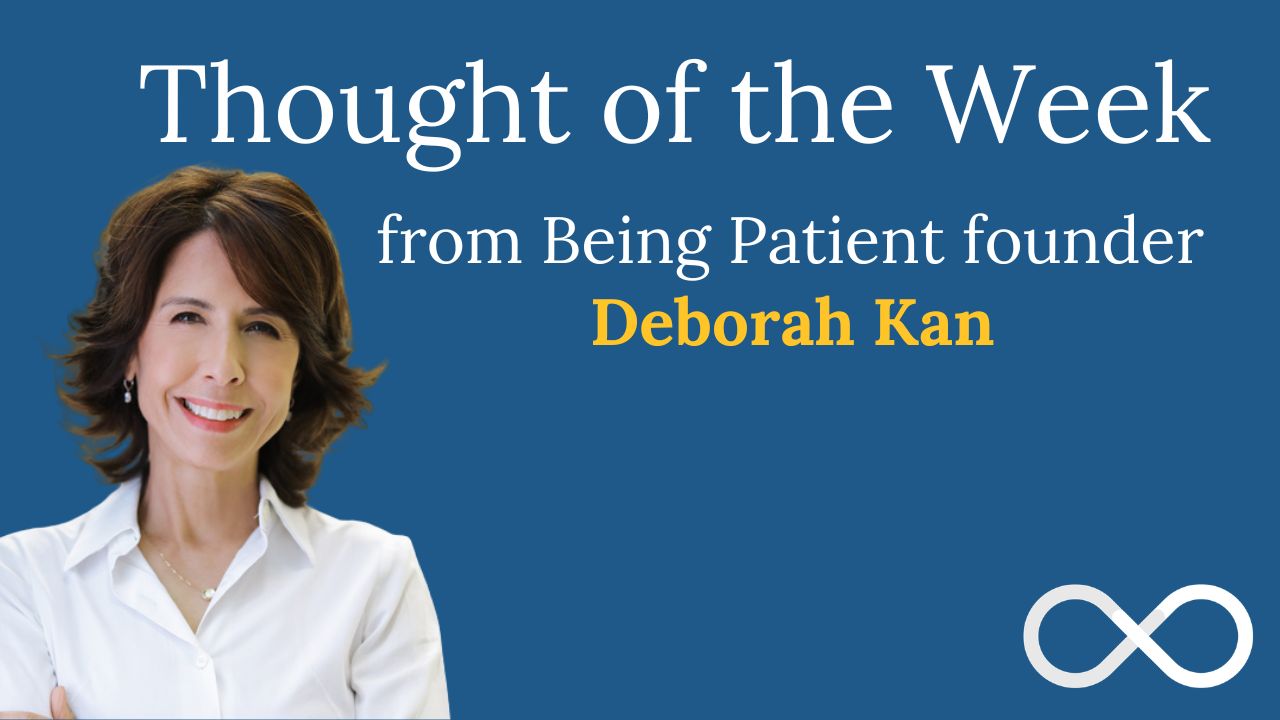
Deborah Kan is the founder and CEO of Being Patient, a journalism-driven news platform on Alzheimer’s, dementia, and brain health that she launched after her mother’s Alzheimer’s diagnosis and years as a journalist for the Wall Street Journal. She built Being Patient to translate complex dementia research into clear, unbiased reporting for patients and caregivers navigating the same uncertainty she once faced. Connect with her at deborah@beingpatient.com.
Dear readers,
A reader I’ll call Vivian to protect her privacy wrote to me this week. She has been a subscriber for years, she said, first through her father’s Alzheimer’s, then through her mother’s. Her father died in 2021, her mother in 2023. After she lost them both, she made a point of never asking to be removed from our list. Just in case, she wrote, she might need the information herself one day.
This week she told me that day had come. She is 69, she has just been diagnosed.
She wrote that she is overwhelmed, that some days she is mentally taxed, and that she does not know where to go from here. Then she asked me for a few directions on where to start.
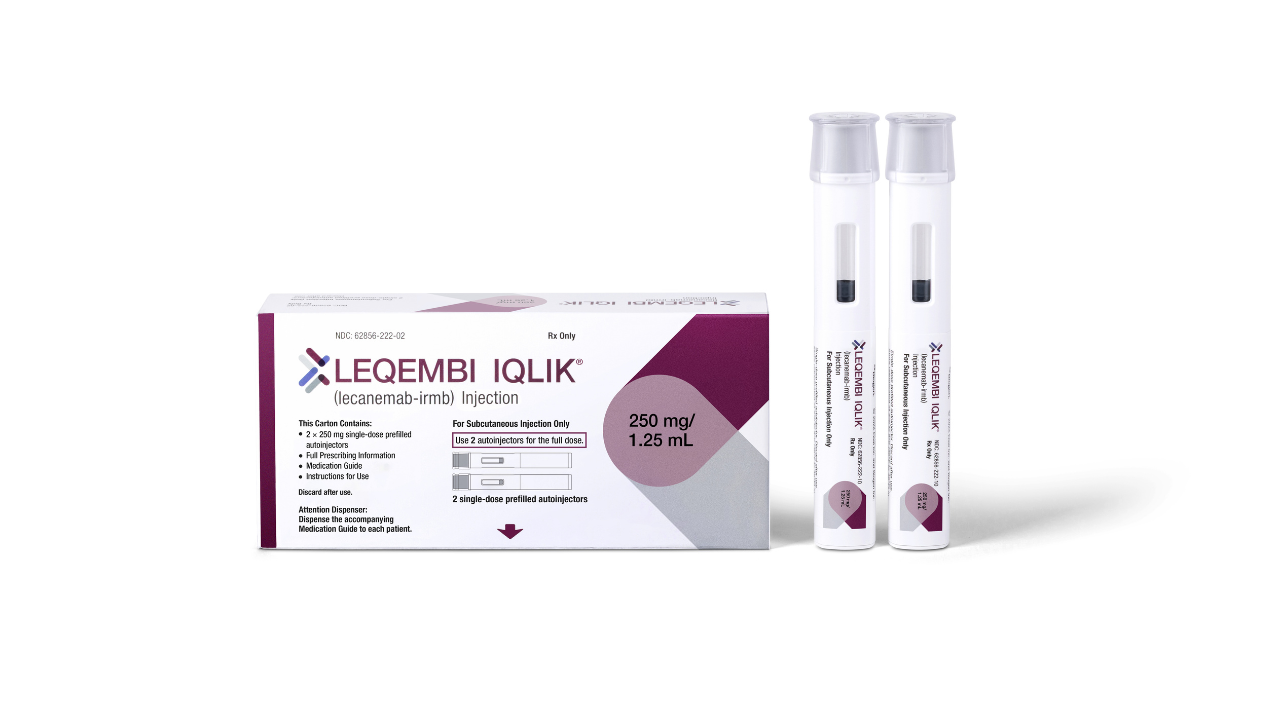
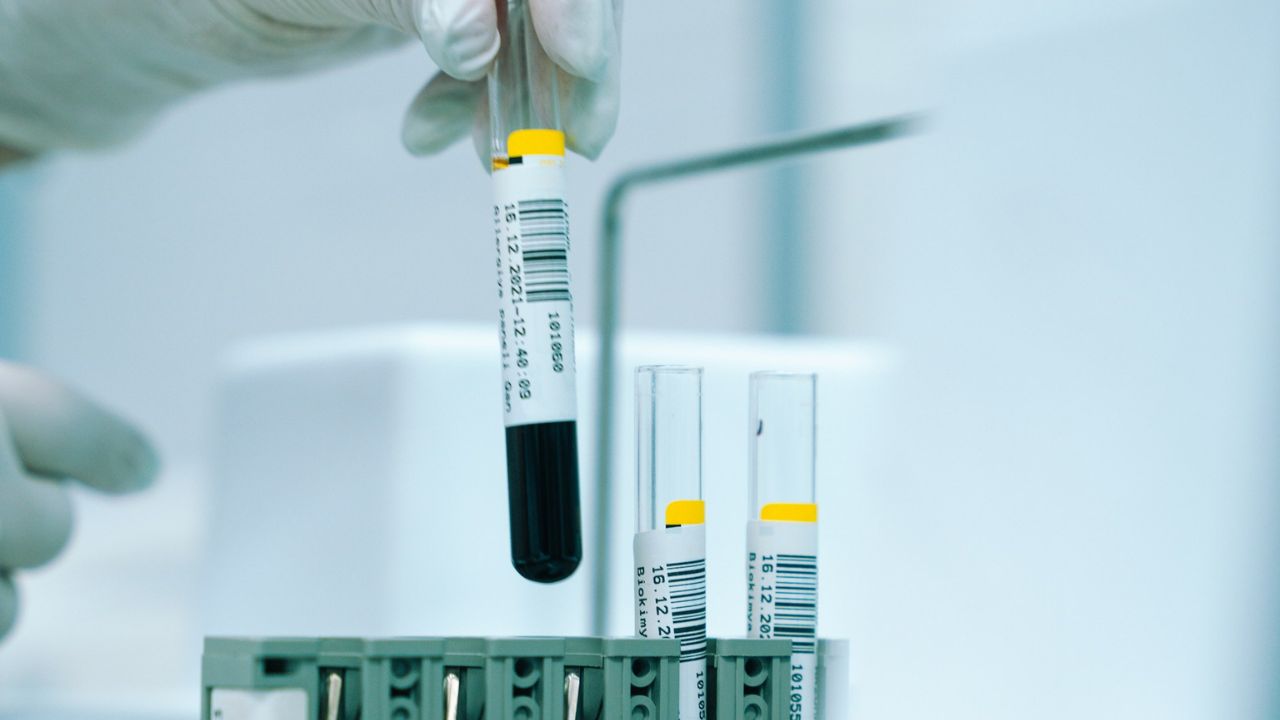
I read her letter more than once. What surprised me was how much she already knew. She was given a blood test and could name her own biomarkers. She had genetic testing and found out she had one copy of ApoE4. She had already consulted with her neurologist. She had decided to go on Leqembi for 39 monoclonal antibody infusions. Vivian apologized to me for being overwhelmed, as if being overwhelmed were a failure, when she was in fact doing the hard thing well. She was way ahead of most people!
Vivian understood that once she started her infusions, she would have an MRI roughly once a month, and she understood what those scans were looking for. They were watching for ARIA, amyloid-related imaging abnormalities, the main side effect that comes with this class of drugs, especially in people who have two copies of ApoE4. She even caught something sharp in her own scans. A small spot in her brain, a microhemorrhage, had been described as sitting in one part of the brain on one scan and a slightly different part on the next, even though the reviewers agreed it was the same spot. She noticed. She wrote it down. She planned to ask about it.
I cannot overstate how well that instinct serves a patient. The monthly MRI is not a formality. It is the safety system built around this treatment, and the patient who understands what it is watching for is a patient who can be a real partner in her own care. Vivian arrived there on her own.
There are so many people entering this early diagnosis stage, and here’s what I’d tell them:
- Start with one thing, not everything. You do not have to read a decade of anyone’s archive this week. Read the single piece that answers the question directly in front of you, then come back for the next one when you’re ready.
- Understand your own diagnosis first. Learn what a positive amyloid scan means and what your own biomarkers are telling you.
- Know what to monitor before treatment starts. If you’re beginning an infusion drug, learn what ARIA is and what they are looking for, so the monitoring feels like protection rather than alarm. Ask about the possibility of genetic testing if your doctor hasn’t offered you one. This is important information to consider!
- Write down what you notice. Vivian caught an inconsistency in her scans because she paid attention and kept a record. That habit changes the quality of every appointment.
- Hold onto the reframe. Being amyloid-positive is not a verdict. Those plaques can appear a decade or two before any symptom, and some people carry them into their nineties and never develop dementia at all.
In my view, this is the shift newly diagnosed families most need to hear. Science has moved further than most people realize, and that is good news, but it also means there is more to decide than there used to be. More tests, more monitoring, more treatment choices, more junctures where your own preparation shapes what happens to you. Vivian felt overwhelmed because there genuinely is more to think about now.
If you are where Vivian is, do what she did without realizing she was doing it. Pay attention to your own body and your own scans. Write down what you see. Bring the questions. And if you don’t yet know what to ask, that is exactly what we’re here for. Write to us. We read every letter, and sometimes, like this one, a reader teaches the rest of us how it’s done.
With hope,
Deborah