A Doctor’s Perspective on the Future of Alzheimer’s Research

Dr. Catherine Madison sees a field moving toward earlier diagnosis, earlier treatment and a more diverse pipeline of potential therapies.
Dr. Catherine Madison, MD, is the Medical Director of Seniors At Home and Rhoda Goldman Plaza, and founding director of the CPMC Ray Dolby Brain Health Center in San Francisco. She specializes in dementia and Alzheimer’s care, drawing on lessons learned while caring for her own mother with Alzheimer’s — an experience that shapes both her clinical practice and her book, Navigating Memory Loss: Essential Questions and Answers on Alzheimer’s and Dementia. Connect with her at MD Memory Care.
After more than 20 years of attending the Alzheimer’s Association International Conference, I’ve learned that the most important developments aren’t always the ones that make the biggest headlines. Sometimes, it’s the shift in how researchers think about the disease — when to diagnose it, when to treat it and how many different approaches we may need to slow it down.
AAIC 2026 last month in London offered plenty of reasons for hope. We heard new data on early treatment with lecanemab, promising findings on blood biomarkers and subjective cognitive decline, and a look at a pipeline increasingly focused on targets beyond amyloid. There were no single blockbuster breakthroughs, but the breadth and momentum of the research were striking.
Thinking back over weeks since the busy conference, these are the developments that have stayed with me. Going forward, here are the issues I feel deserve the most attention.
Lecanemab advances
First of all, doctors studying the potential benefit of using IV lecanemab (Leqembi) in persons with mild cognitive impairment or very early dementia as part of the LEADER study found that after 18 months over 80 percent were “stable or improved.”
To halt a disease that has always been characterized as only worsening, this is a remarkable finding. Excitement among medical providers using this therapy was palpable.
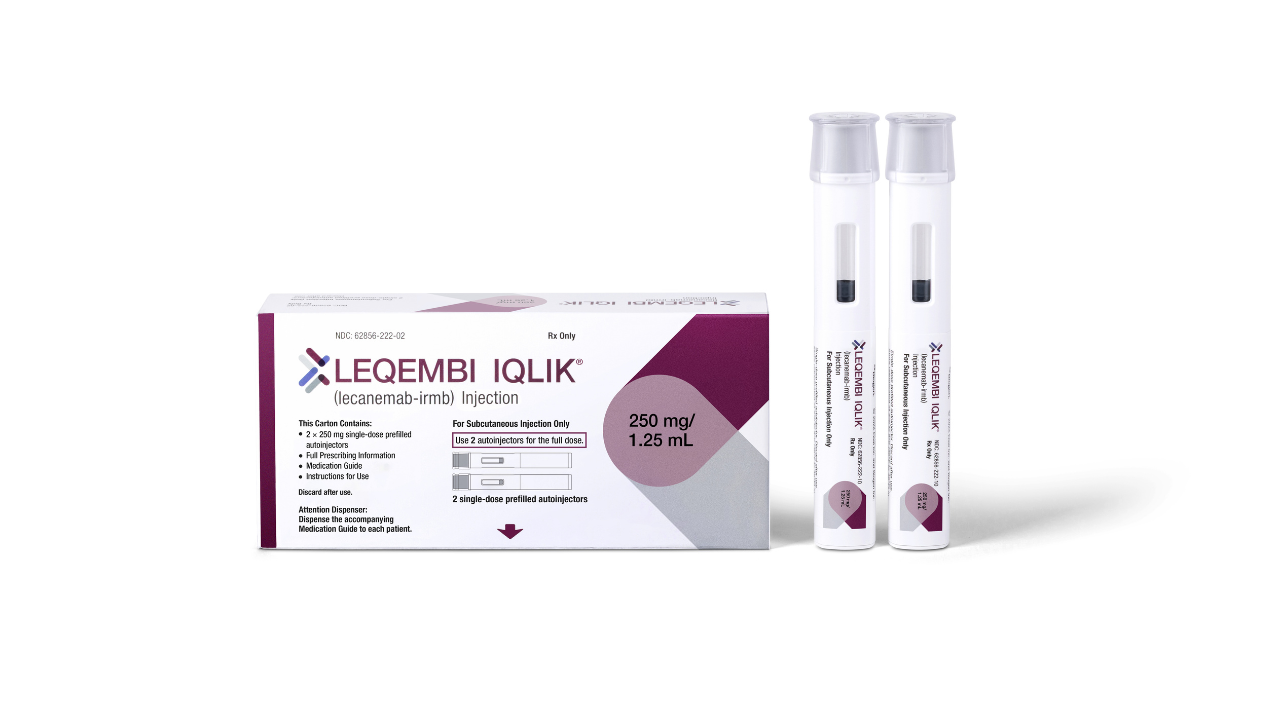
There are still important questions to sort through, including peer review of the evidence, potential complications and accessibility. The latter potential obstacle, accessibility, has just shifted as the Food and Drug Administration has approved use of the Leqembi auto-injector for starting therapy. This means people will not have to coordinate care with infusion centers and travel as much for treatments. Now we have to wait for Medicare to determine whether and how it will be covered.
Stepping stones: Research to build on
There was also discussion about blood tests and what has been called “subjective cognitive decline,” or SCD. This term has been around for about 10 years and as recently as 2020 the medical community was pondering, “What is it good for?” It is defined as a personal experience of decreased cognitive function without objective signs of cognitive impairment from formal neuropsychological testing. This differs from mild cognitive impairment (MCI), which can be measured through formal testing.
SCD has generally been considered part of aging but combining that specific complaint with a blood test looks potentially revealing. Asking a large group of seniors the simple question: “Do you have concerns over a decline in thinking or memory?” showed a higher rate of conversion to dementia in those with a positive p-tau 217 blood marker. A higher level of p-tau 217 in the blood was also associated with increased risk.
This seems to support using this blood biomarker in specific cases for people at risk and with cognitive concerns. Yet there is still agreement that the test should not be used widely for general screening.
Circle of Hope: Therapies in development
Dr. Jeff Cummings, director of the Chambers-Grundy Center for Transformative Neuroscience at UNLV, gave his annual “Circle of Hope” pie graph tracking 192 therapies currently in development for Alzheimer’s and other dementias. There is a robust and diverse group of agents being studied as our knowledge about neurodegenerative diseases rapidly grows.
I remain most excited about the multifaceted approach to reduce inflammation with 29 drugs currently being studied. Combining this with information we already have on how lifestyle interventions, such as following the MIND diet, can reduce low grade inflammation in our bodies suggests we are very close to adding another disease modifying strategy to our collection.
In summary, there might have been no blockbuster breakthroughs presented this year, but the increasing momentum of research bolsters our hope for better treatments. And the high number of people remaining stable with starting amyloid targeting therapy (such as lecanemab) early in the course of illness is a clear call to action for many early in the disease.
We can also take steps to protect our brain health, including addressing modifiable risk factors, and be aware that friends and loved ones with cognitive decline may not be able to see this in themselves. Let’s normalize cognitive screening for seniors to get early treatment when appropriate and try to fill those research studies. Working together, we can win this battle.