

What Does Loneliness Do to the Brain?
Loneliness and social isolation are increasingly recognized as important factors in our physical, mental, and brain health. What happens in the brain when we feel disconnected from others, and why are we so strongly motivated to seek social connection?
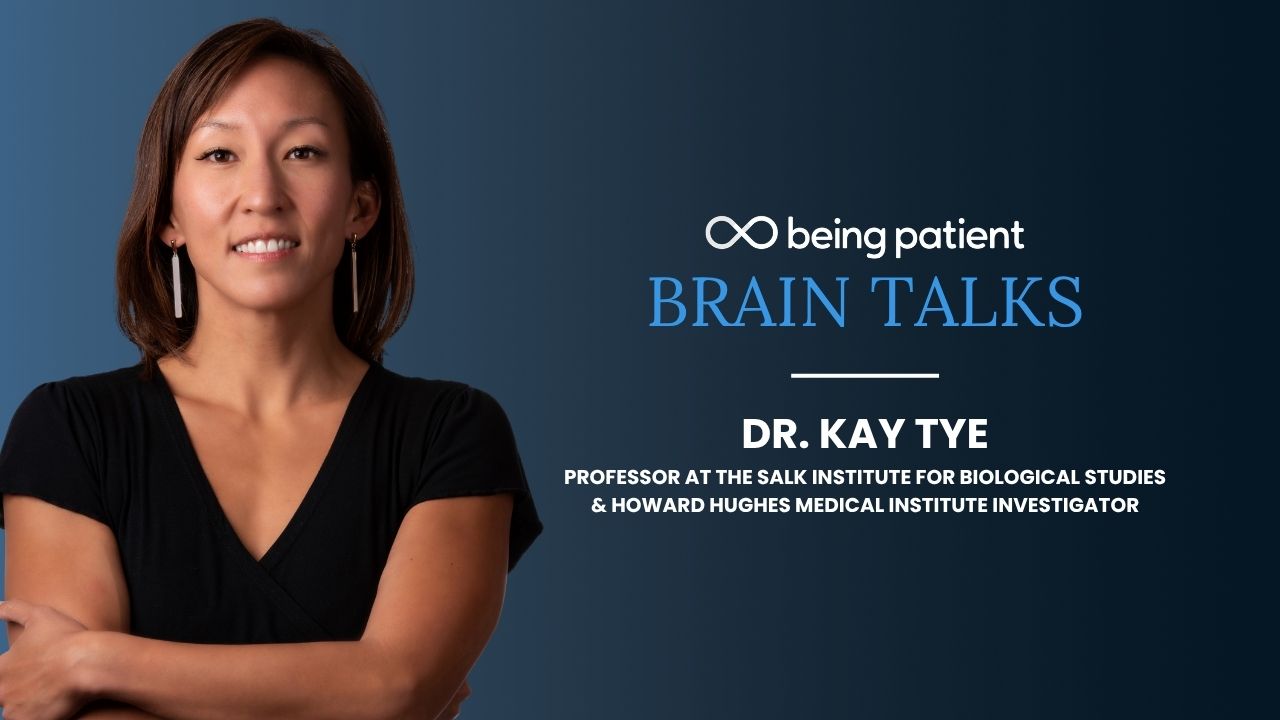
Dr. Kay Tye joins us to discuss the neuroscience of loneliness, social isolation, motivation, and connection. She’ll explain how the brain responds when our social needs are unmet, why social interaction can function as a powerful reward, and what research reveals about the biological drive to reconnect after periods of isolation. She’ll also explore the broader implications of social connection for brain health and well-being.
Tye is a professor in the Systems Neurobiology Laboratory at the Salk Institute for Biological Studies, a Howard Hughes Medical Institute Investigator, and holder of the Wylie Vale Chair. Her lab studies the neural circuits underlying emotion and motivated behaviors, including social interaction, reward-seeking, and avoidance. Her research has helped reveal how the brain responds to social isolation and why people may crave social interaction in ways similar to how they crave food when hungry.
Join us Friday, Sept. 25, at 11 a.m. PT / 2 p.m. ET for a Live Talk about what neuroscience can teach us about loneliness, social connection, and the brain.
RSVP to join the conversation.

Leave A Comment