Can the Brain’s Immune System Be Harnessed to Treat Alzheimer’s?
The first TREM2-targeting Alzheimer's drug failed, but researchers believe stimulating the brain's immune cells could still become an important treatment strategy.
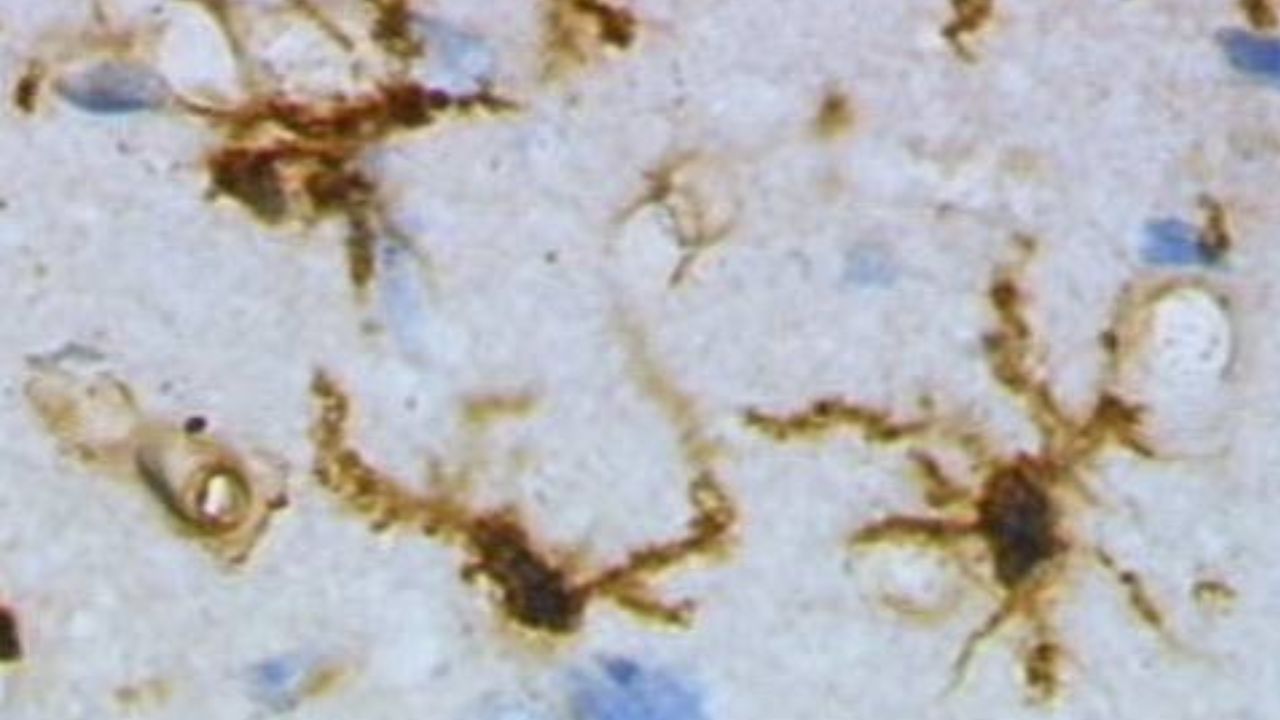
The microglia are small immune cells with many long projections that patrol the brain and set off alarms if they find toxic molecules, signs of damage, or infectious invaders. In their defensive state, they release chemical signals to kick-off inflammation, and defend the brain, including against beta-amyloid plaques which build up in Alzheimer’s.
The TREM2 receptor, a protein on the outside of microglia, is crucial for tuning their protective abilities and mobilizing the response against beta-amyloid plaques. Drugmaker Alector developed a TREM2 agonist drug called AL002 that would bind and activate this protein.
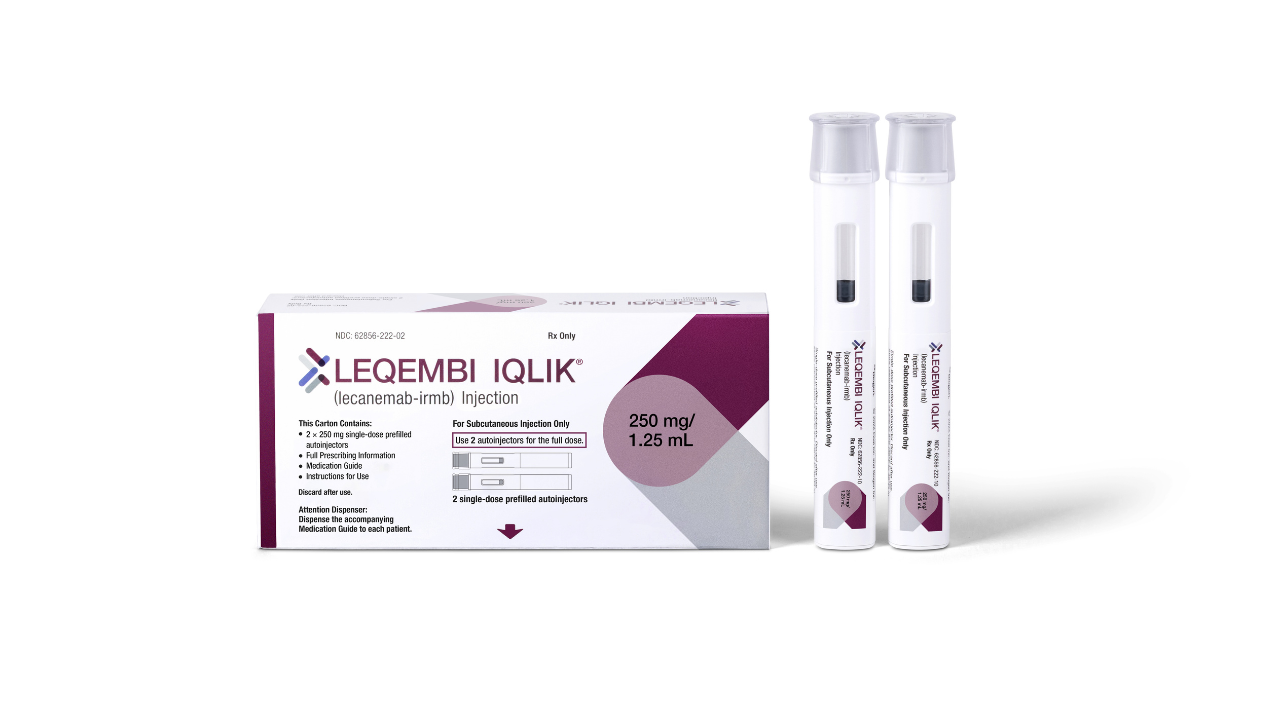
Similar to Leqembi and Kisunla, AL002 is a monoclonal antibody, but instead of being engineered to stick to beta-amyloid plaques, it’s perfectly shaped to bind the TREM2 receptor.
In its Phase 2 trial, the drug failed to slow cognitive decline in early Alzheimer’s and led to high rates of potentially dangerous brain swelling and microhemorrhages, known as ARIA.
Though the first TREM2-targeting drug failed to slow decline, experts still think that targeting TREM2 could still have potential to treat the disease.
Why did scientists target TREM2?
Scientists recognized the importance of TREM2 through genetic studies more than a decade ago. People with a genetic mutation that affected the protein’s function showed dysfunctional microglia and had an increased risk of developing Alzheimer’s.
Subsequent research, which involved “knocking out” the gene in mice, showed that TREM2 is crucial for activating the microglia’s defenses, which involves sequestering and digesting beta-amyloid plaques to limit their damage.
Tyler Ulland, co-leader at the Wisconsin Alzheimer’s Disease Research Center and professor at the University of Wisconsin-Madison, who wasn’t involved in the trial, told Being Patient, that without TREM2, the microglia “fall apart.” They can’t sense the plaques well and when they do, they don’t respond properly.
The Phase 2 AL002 trial
In its Phase 2 trial of 381 participants with early Alzheimer’s, which tested multiple escalating doses of AL002, the drug fared no better than placebo in slowing cognitive decline.
AL002 also led to very high levels of ARIA. While the side effect is typically linked to anti-amyloid medications, in this case, AL002 may have mobilized microglia to aggressively clear beta-amyloid plaques which may damage blood vessels and lead to inflammation. Even at the lowest dose of the drug, this resulted in more than 25 percent of participants developing microhemorrhages, while over 20 percent developed brain swelling.
Dr. Marco Colonna, a professor at Mass General Research Institute at Harvard who wasn’t involved in the Alector trial, told Being Patient that the trial proved it’s possible to develop a drug that reaches the brain and stimulates TREM2.
One big problem arises when TREM2 activates. Enzymes within the microglia cut it into pieces, and these pieces became free-floating proteins called soluble TREM2 (sTREM2). The sTREM2 proteins cluster together within the fluid between brain cells, attracting AL002, and prevents it from binding and activating microglia.
Colonna pointed to other reasons the drug may have failed: The antibody isn’t binding TREM2 optimally, not enough of it reached the brain, or because the participants in the study were too far along in the disease.
The microglia pipeline for Alzheimer’s
It’s not the end of the road for TREM2. It took many failures before drug companies developed anti-amyloid medications that slowed cognitive decline by a small amount. While AL002’s failure may make pharmaceutical companies more cautious about developing TREM2 antibodies, Colonna said, “the lesson is to design better agents and trials.”
Both Ulland and Colonna think TREM2 drugs may need to target people at even earlier stages, before symptoms of Alzheimer’s start — though right now it is impossible to tell with certainty which at-risk individuals will develop Alzheimer’s.
There are already next-generation TREM2 antibodies and pills in trials. Novartis’ VHB937 is the furthest along, with a Phase 2 trial set to finish in 2030. Vigil Neuroscience’s VG-3927, which was acquired by Sanofi, is an experimental pill that targets TREM2 but avoids binding to sTREM2, meaning that more of the drug will activate microglia instead.
These drugs could be bolstered with brain shuttle technology, said Colonna, molecular addons that help them penetrate into the brain. The first brain shuttle drug, Denali Therapeutics’ Avlayah, received accelerated approval from the Food and Drug Administration earlier this year for treating a rare childhood dementia called Hunter syndrome, proving the feasibility of this system.
Colonna added researchers may combine anti-amyloid drugs with TREM2-targeting treatments to see if they boost the benefits.
As data from the next-generation of TREM2 treatments rolls in, scientists hope it will prove to be another potential treatment that could slow the progression of Alzheimer’s.
Image credit: Grzegorz Wicher/Wikimedia Commons
FAQs
AL002 is designed to target TREM2, a protein on immune cells called microglia, to drive an immune response against beta-amyloid plaques. Leqembi and Kisunla bind to beta-amyloid plaques directly.
The drug activates the microglia which start to sequester and attack plaques. This activity could damage nearby blood vessels or drive inflammation leading to brain swelling or microhemorrhages.
Drugmakers are developing the next-generation TREM2 antibodies and pills. Novartis’ VHB937 is the furthest along, with a Phase 2 trial set to finish in 2030. Vigil Neuroscience’s VG-3927, which was acquired by Sanofi, is an experimental pill that targets TREM2.